
The Story
Why it exists.
The beginning
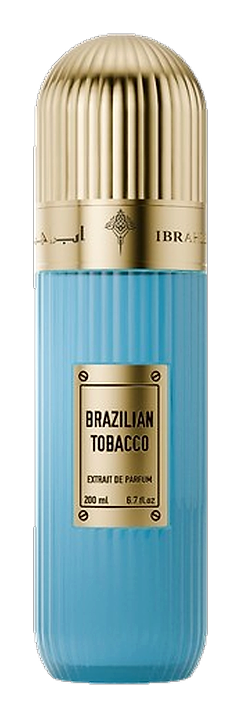
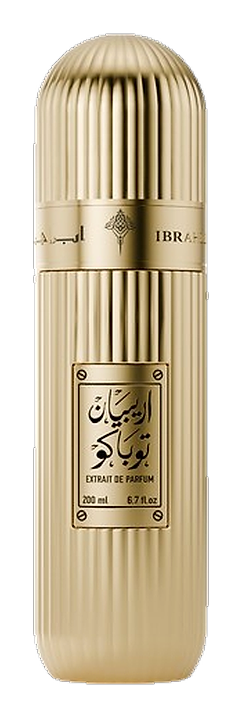
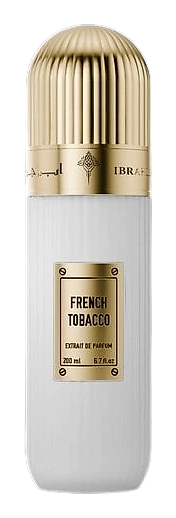
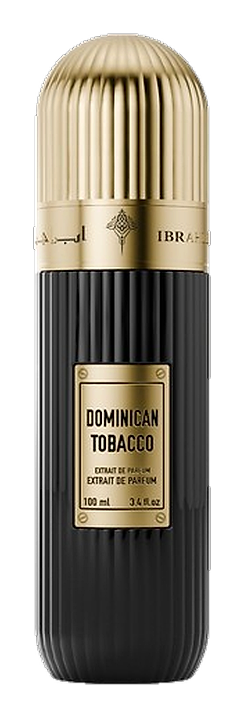
Dominican Tobacco takes its name from the leaf itself, a specific terroir, a specific kind of grower. The brand's tobacco collection already included Brazilian Tobacco when the perfumer began exploring Caribbean varieties, drawn to the Dominican leaf for its cleaner, more aromatic character compared to the heavier Virginias. The idea was to build a tobacco fragrance that felt neither smoky nor medicinal, one that moved like a warm breeze rather than a bonfire. Cinnamon and lavender were chosen to frame the tobacco on either side: spice above, cool herbal below. The result is a composition that uses tobacco as a starting point rather than a destination, reaching into unexpected territory from there.
Dominican tobacco is prized for its smooth, almost sweet quality, less alkaline than Virginia varieties, with a natural softness that makes it ideal for blending. Here, it meets cinnamon's warmth and lavender's coolness, creating a tobacco that reads as aromatic rather than heavy. Guaiac wood and orchid deepen the heart without adding smoke or tar. The saffron in the base is the unexpected element, an aromatic resin that most brands reserve for floral compositions, not tobacco. It adds a subtle medicinal quality that makes the drydown feel more complex than expected.
The evolution
Dominican Tobacco opens bold. The first minutes belong to tobacco and cinnamon, warm, immediate, slightly sweet. Lavender arrives quickly after, its coolness cutting through the spice like a breeze through an open window. This opening phase lasts roughly 20-30 minutes before the heart takes over. Guaiac wood and orchid settle in, shifting the composition from bright to warm. The guaiac brings a faint resinous quality without the tar or smoke of birch or cade; the orchid adds a powdery floral softness that keeps the warmth from turning heavy. By hour two, the drydown begins. Saffron, bergamot, and orange blossom create a different kind of warmth, lighter, more aromatic, with citrus and floral notes lifting the tobacco's remnants off the skin. The final hours are clean and close, the kind of scent you find on your wrist the next morning if you forgot to wash it.
Cultural impact
Dominican Tobacco joins a tobacco collection that already included Brazilian Tobacco, positioning itself as the Caribbean counterpoint to South American leaf. The house's approach, sourcing raw materials directly, treating each fragrance as a narrative, shows in the specificity of the tobacco choice. This isn't a generic tobacco accord. It's a named origin, and the composition earns it.