
Heritage
A house, in its own words
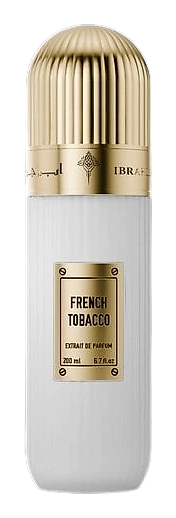
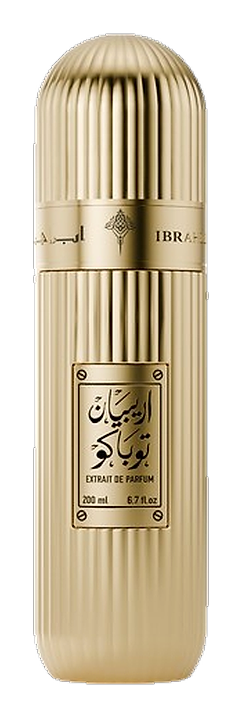
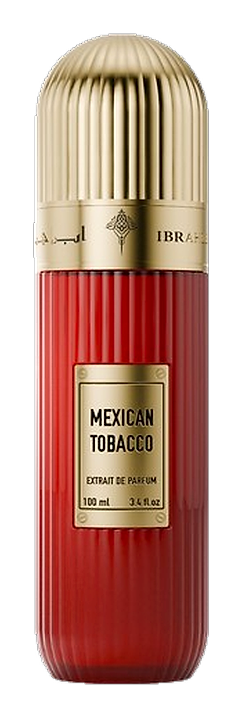
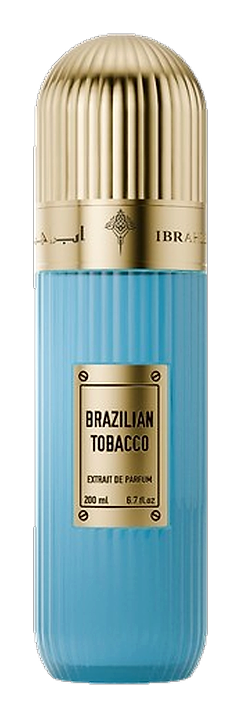
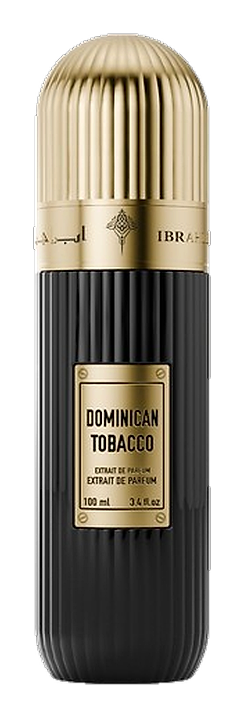
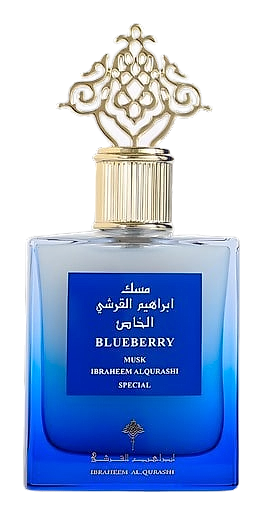
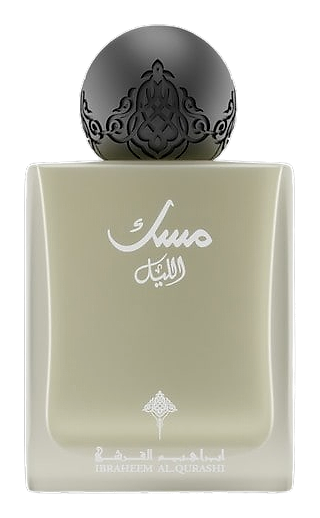
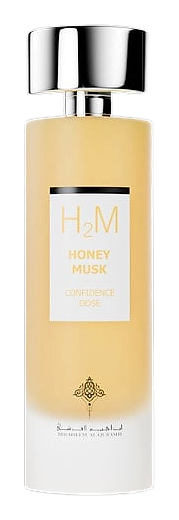
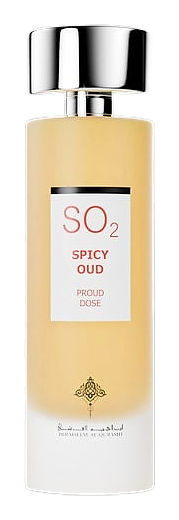
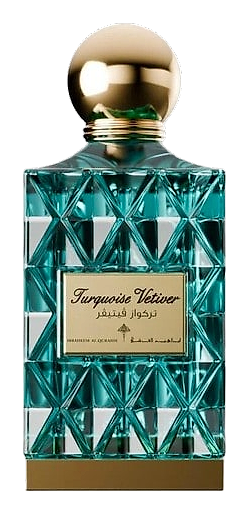
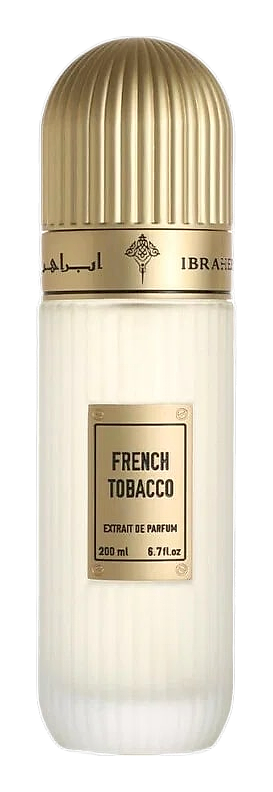
The story begins in 1929 when a merchant opened a small perfume counter in the holy city of Mecca, directly opposite the main market. Early customers included pilgrims seeking familiar scents after long journeys. By the 1950s the shop expanded its inventory to include imported oud oils and regional spices, establishing a reputation for reliable quality. In the 1970s the family opened a second location in Jeddah, allowing the brand to serve the growing Gulf market. The 1990s saw the first export shipments to the United Arab Emirates, where local retailers began to feature the label alongside other regional houses. A notable milestone arrived in 2000 with the launch of the eponymous Ibraheem fragrance, a blend that combined citrus top notes with a warm amber base and quickly earned a place in niche fragrance circles. The 2010s marked a period of experimentation; the house released Turquoise Vetiver (2017) and Blueberry Musk (2016), signaling a willingness to pair familiar Arabian ingredients with unexpected fruit and green accords. 2018 added two distinct scents—Honey Musk Confidence Dose and Spicy Oud Proud Dose—each reflecting a modern take on traditional sweet and spicy profiles. The brand’s recent years feature a focus on tobacco-inspired compositions, including Brazilian Tobacco and French Tobacco (both 2023), as well as the launch of Musk Al‑Lail in 2024, which highlights a clean, nocturnal musk. Throughout its history, Ibraheem AlQurashi has maintained a family‑run structure, with each generation overseeing sourcing trips to the oud forests of Indonesia and the spice markets of India, ensuring continuity of craft while adapting to global fragrance trends. Ibraheem AlQurashi approaches perfumery as a dialogue between heritage and innovation. The house states that it respects the centuries‑old Arabian tradition of blending natural oils, yet it encourages its perfumers to explore new ingredient pairings that speak to contemporary lifestyles. The brand values authenticity, sourcing raw materials directly from growers whenever possible and avoiding synthetic shortcuts that could compromise scent integrity. It treats each fragrance as a narrative, aiming to evoke a specific memory or place—whether the bustling souk of Jeddah or a quiet desert night. Sustainability informs its decisions; the house reports that it prefers responsibly harvested agarwood and works with cooperatives that support local economies. Transparency guides its labeling, with ingredient lists that distinguish between natural extracts and laboratory‑produced bases. By balancing respect for the past with a curiosity for the future, the house seeks to create scents that feel both familiar and freshly discovered.