The Story
Why it exists.
The beginning
Tarot emerged from the Brazilian fragrance house Natura in 1985, crafted by perfumer Antonio Amador. The brief was deceptively simple: create something for a woman who understood complexity. Not someone who wanted to smell good, someone who wanted a fragrance that worked. The Tarot name suggests reading, interpretation, layers beneath the surface. This wasn't meant to be decoded in a spritz. It was meant to unfold over hours. Amador built around a tension, the cool green of opening herbs against the warm powder of a finished drydown. Natura's Brazilian botanical tradition gave him access to materials that could anchor that transition without making it feel like two separate fragrances. The result is a composition that doesn't behave the way you expect it to. What arrives isn't what remains.
What sets this apart is the structural choice to make the heart louder than the opening. Most fragrances peak early and soften gracefully. Tarot inverts that, the top notes arrive sharp and green, almost austere, before the heart opens into something fuller and more textured. Patchouli, black pepper, grapefruit, and lime create a citrus-spice bridge that carries the composition for two to three hours. It's not until the base arrives that you understand what Amador was building toward: a mossy, powdery drydown that is genuinely vintage in character. The oakmoss doesn't whisper. It stays.
The evolution
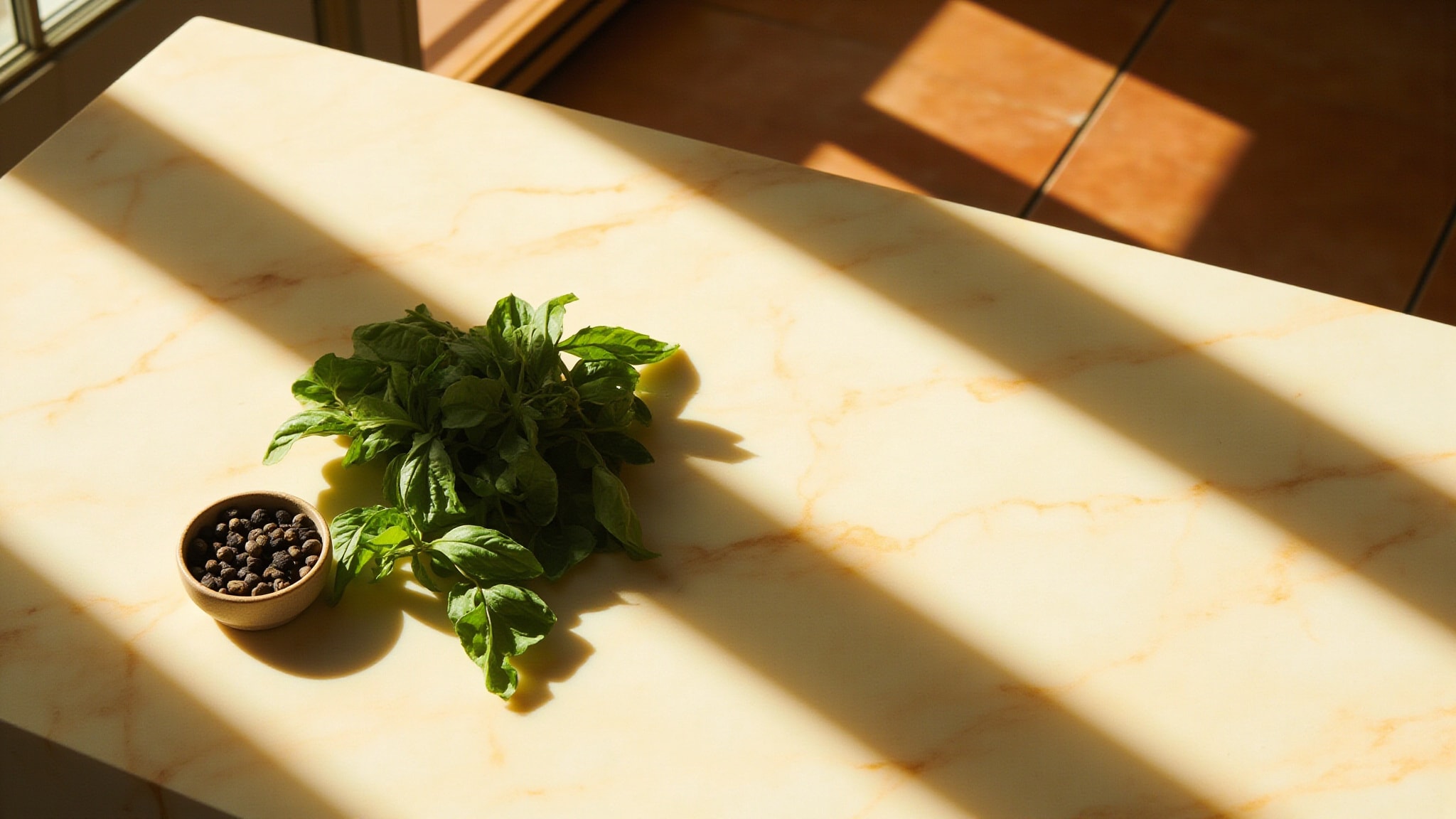
The opening lands sharp, anise and basil cutting through with an almost medicinal brightness, supported by bergamot and the cool of lavender. Rosemary and honeysuckle add green and sweet in equal measure, while nutmeg seeds everything with warmth underneath. For the first thirty minutes, this reads like a green aromatic. Then the citrus in the heart kicks up, lime, grapefruit, a clean tartness, and the composition shifts. Patchouli and black pepper arrive together, warming what was sharp. Violet leaves bring a brief dewy-green moment, like walking through wet foliage. The drydown is where this fragrance earns its age. Oakmoss arrives quietly and then doesn't leave. Vetiver adds earth. Cedar and sandalwood provide a woody structure that holds the powdery musk. On most skin, this lingers into the evening. On fabric, the cedar can carry into the next morning.
Cultural impact
Tarot arrived in 1985, a period when Brazilian fragrance culture was still establishing its own vocabulary. Rather than borrowing from European traditions, Amador built a composition that used the structural rigor of the chypre form, oakmoss base, aromatic top, citrus-spice bridge, while sourcing materials through Natura's Brazilian supply network. The result sits in a curious middle ground: too structured to be niche, too unusual to be mainstream. It's the kind of fragrance that rewards someone who already knows what they like and is looking for a version they haven't smelled yet.