
The Story
Why it exists.
The beginning
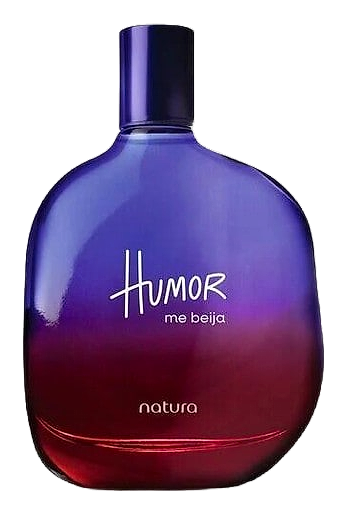
Humor Me Beija arrived in 2026 from Carlos Viñals and Verônica Kato, the perfumers credited with its aromatic, woody character. The composition begins with an unusually broad burst of fruit and spice: pineapple, apple, mandarin orange, cardamom, nutmeg, cinnamon, lavender, and priprioca. That opening sets up a fragrance designed around contrast, bringing brightness and appetite into the same frame. Nothing about its inspiration needs a grand backstory when the notes already carry the joke. Here, playfulness wears a tailored coat.
The interesting part is how many textures share the same space. Pineapple, apple, plum, and mandarin bring different kinds of fruit sweetness, while cardamom, nutmeg, and cinnamon keep the composition from becoming syrupy. Jasmine and geranium add a floral pulse, and sandalwood, cashmeran, moss, patchouli, tonka bean, cacao, and coumarin give it a woody, earthy floor. Gourmand is there, but never alone.
The evolution
The opening is immediate and almost edible, with pineapple and apple meeting mandarin, cardamom, and cinnamon in a bright, aromatic rush. As those notes recede, the scent gains weight without losing its pulse. Plum brings a darker fruit sweetness, jasmine and geranium soften the edges, and the woody base becomes clearer. Sandalwood and cashmeran give it a smooth, close-to-skin texture; moss and patchouli add a green-brown shadow. The drydown keeps a gentle spice flicker beneath the smoother wood, so the fruit sweetness never fully disappears.
Cultural impact
Humor Me Beija carries its joke entirely through construction. The name sets up the expectation of something playful, and the composition delivers with a fruit-spice architecture that keeps shifting as it dries down. Bright pineapple, apple, and mandarin make the first impression, then plum, jasmine, geranium, and a woody base of sandalwood and cashmeran take over, with moss, patchouli, tonka bean, cacao, and coumarin rounding out the trail. It's a generous, expressive fragrance, and one worth approaching slowly as the layers rearrange themselves over the day.
The House
NaturaNatura is a Brazilian fragrance and cosmetics house that blends botanical heritage with modern scent design. Founded in the late 1960s, the brand grew from a small São Paulo workshop into a regional leader known for fragrances such as Ciprus (1990) and Encanto das Rosas (2020). Its portfolio balances classic accords with ingredients sourced from the Amazon basin, offering consumers a scent experience rooted in nature and craft.
The Creator
Carlos Viñals & Verônica KatoViñals works across a wide range, from approachable mass-market scents to intricate fine fragrances. His compositions tend toward clarity and balance, with carefully considered construction.