
The Story
Why it exists.
The beginning
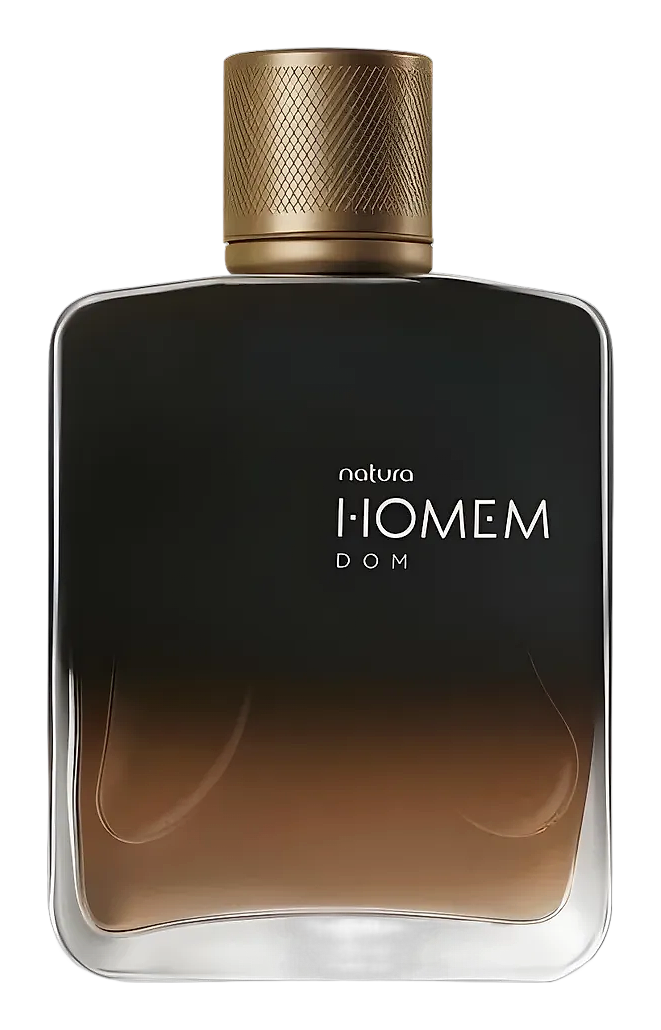
Homem Dom arrived in 2019 from perfumers Verônica Kato and Isaac Sinclair, two noses working with the kind of Brazilian biodiversity most fragrance houses only reference in press releases. The brief was simple: take something raw and rooted in the Amazon and make it wearable at a catalog price point. What they delivered was a composition built around ingredients like Cypriol and priprioca, raw botanical extracts that most people have never heard of but that carry the dense, humid character of the Amazon basin in molecular form. These are not decorative notes. They are structural.
The use of priprioca in the drydown is not accidental. Natura works with agronomists and fair-trade sourcing programs to translate raw botanical extracts into fragrance-grade materials, and priprioca is one of those extracts that carries both cultural weight and olfactory distinctiveness. Combined with Ambroxan and cashmeran, it gives Homem Dom a drydown that feels cohesive and unusual, something most mass-market fragrances do not attempt. The result is a fragrance that rewards patience, because the base is where the craft lives.
The evolution
The fragrance moves in a clear arc from sharp to soft to lingering. Cardamom and black pepper open with urgency, the kind of immediate impact that signals intention. Cypriol supports the opening with a smoky earthiness that prevents the spices from feeling like a gimmick. Within the first hour, the balsamic heart emerges, and vanilla and tonka bean take the reins from the spices, shifting the fragrance from energetic to enveloping. Violet leaf keeps a small green thread alive through this stage, ensuring the sweetness never closes in completely. By the third hour, the drydown unfolds: Ambroxan and cashmeran create a warm, clean base, while guaiac wood, sandalwood, and vetiver add depth, and priprioca provides a final botanical signature that roots the fragrance in its Brazilian origin.
Cultural impact
Homem Dom occupies an unusual space in the Brazilian fragrance landscape, it's a catalog fragrance with niche-level complexity. The priprioca root is the key differentiator, a material most international fragrance houses either don't know or don't use. For men who want something that smells distinctly South American rather than imported from Grasse, this is one of the few options at this price point that delivers. The combination of black vanilla and earthy priprioca has earned a following among collectors who track Brazilian perfumery separately from European traditions.