The Story
Why it exists.
The beginning
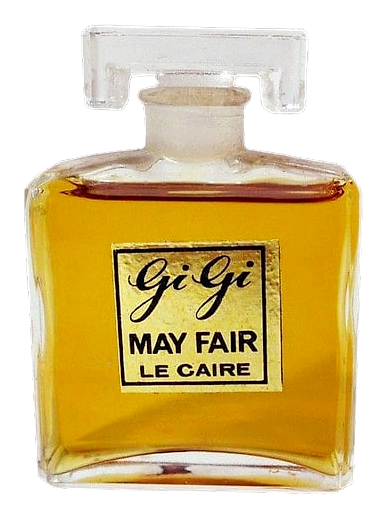
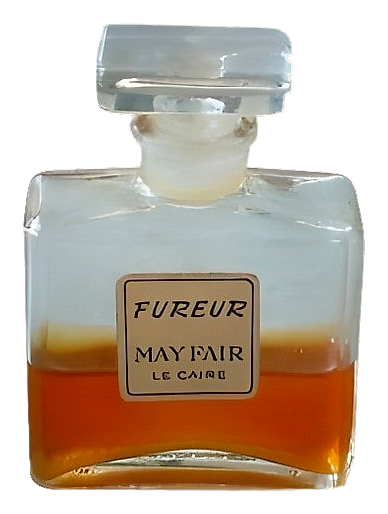
Fureur was launched during the 1970s by May Fair Le Caire. The name suggests intensity, yet the composition approaches that idea with restraint: neroli and green notes create a crisp entrance, while rose, leather, spice, and an earthy base add depth. The opening has the clarity of cut flowers and cool, damp air, with citrusy brightness set against polished greenery. Rose lends a soft floral texture, while leather, black pepper, cloves, and cinnamon introduce darker spice and a smooth, structured warmth. Patchouli and oakmoss ground the composition in earth, and musk, sandalwood, and amber give it a warm, woody finish.
What makes Fureur distinctive is the friction between its top notes and its deeper materials. Neroli and aldehydes bring a polished, almost immaculate brightness. Rose, coriander, grapes, caraway, cloves, tuberose, leather, black pepper, and cinnamon then make the composition less tidy, adding sweetness, heat, and a tailored darkness. Patchouli, musk, sandalwood, oakmoss, and amber anchor the result with earthy depth. It isn't a simple floral, and it doesn't need to be. The interest lies in watching freshness take on a shadow.
The evolution
Fureur begins with neroli, green notes, and aldehydes, a crisp arrival that suggests polished metal, cut flowers, and air after rain. The heart changes the temperature. Rose softens the brightness, while coriander, grapes, caraway, cloves, tuberose, leather, black pepper, and cinnamon introduce tartness, spice, and polished leather. Together, these notes create a layered middle: the green opening remains present beneath floral warmth, rose provides a rounded transition, and the sharper spice keeps the composition from becoming too soft. As the fragrance settles, patchouli and oakmoss bring an earthy floor, with musk, sandalwood, and amber making the final wear warmer and smoother. The surprise is the depth beneath the fresh opening.
Cultural impact
Fureur can be appreciated through its composition rather than through any assumed cultural role. Its appeal begins with the tension between a fresh opening and a darker drydown. Neroli, green notes, and aldehydes offer brightness and clarity, while rose brings floral softness to the middle. Coriander, grapes, caraway, cloves, tuberose, leather, black pepper, and cinnamon add tartness, spice, and polished texture. Patchouli and oakmoss deepen the composition with an earthy foundation, completed by musk, sandalwood, and amber.