
Heritage
A house, in its own words
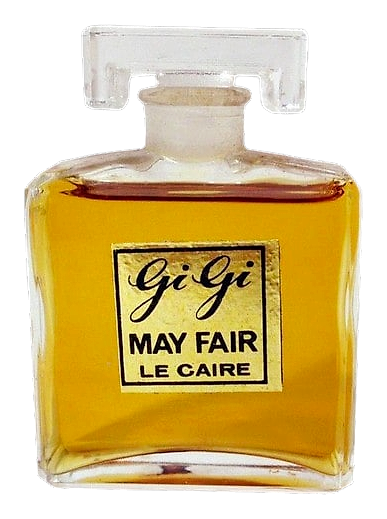
May Fair Le Caire emerged in London during 1970, a period when British perfumery was finding its own character separate from the dominant French tradition. The house chose its name to signal its geographic roots in Mayfair, the central London district that had long served as the address of choice for British luxury goods makers, from tailors to jewelers. The choice of a London address for a perfume house during this period placed May Fair Le Caire within a particular lineage of British artisans who operated on a smaller scale than their continental counterparts but cultivated loyal followings among those who valued discretion over spectacle. The 1970s represented a transitional moment in fragrance, as traditional house perfumery began sharing shelf space with new designer fragrances, yet May Fair Le Caire's entry came with a focused vision. Rather than launching multiple flankers or seasonal limited editions, the house released two perfumes that appear to have comprised its core offering. The absence of documented successors or reformulations suggests a house that made a decisive creative statement through its initial collection and then maintained its position. Heritage within British perfumery often involves this kind of specificity, where a house is defined not by volume but by the clarity of its original vision. The philosophy behind May Fair Le Caire, as evidenced by its sparse output, appears rooted in a belief that restraint itself constitutes a form of luxury. The house released two fragrances in 1970 and, by all available records, never expanded beyond that founding collection. This approach stands in contrast to houses that continuously launch new products, instead suggesting that the founders considered their creative work complete once the initial vision had been realized. The name itself references a specific London place rather than a founder's name or an abstract concept, which often indicates a brand rooted in geographic identity and local tradition. In naming itself for Mayfair, the house aligned itself with the understated elegance associated with that district rather than the more overt opulence found elsewhere in London. The choice to create two fragrances simultaneously, Fureur and Gi-Gi, implies a complementary rather than competitive relationship between them, potentially offering different facets of a unified aesthetic. This paired approach suggests a philosophical commitment to offering choice without sacrificing coherence, allowing the wearer to select between expressions of a single sensibility.