
The Story
Why it exists.
The beginning
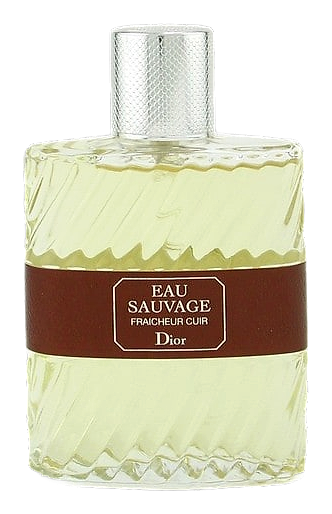
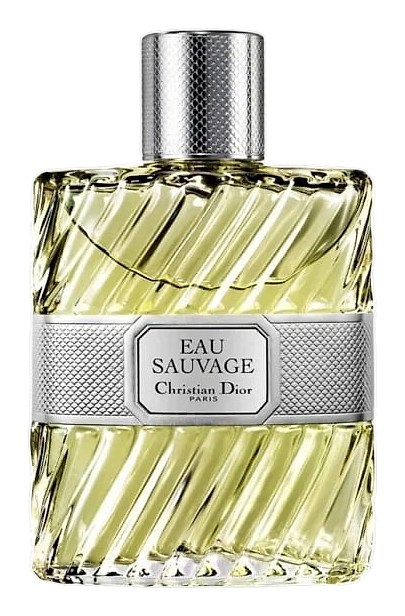
Dior had perfumed women, but the men's side of the house stayed untouched. In 1966, the house handed the problem to Edmond Roudnitska, a perfumer known more for precision than spectacle. Roudnitska wanted something that smelled like light hitting a clean face, not like the woods after dark. He treated the commission as a tuning exercise: how much brightness could a composition carry before it lost its nerve? The answer turned out to be quite a lot. The result was Eau Sauvage, the first Dior perfume for men, and it landed with the same clean, unhurried confidence that has kept it in rotation ever since. What makes the original brief worth revisiting is how deliberately Roudnitska bent the formula toward transparency. He wasn't chasing volume or shock.
What makes Eau Sauvage structurally interesting is Roudnitska's use of hedione, a synthetic jasmine-like molecule he helped pioneer. At a 2% concentration here, it adds a transparent, almost watery lift that makes the citrus sparkle without the usual sharp edges. The composition folds in cumin and basil, spices that could easily turn a men's fragrance into something heavy or dated, but here they stay in supporting roles, adding warmth without weight. Underneath, oakmoss in the base and patchouli in the heart keep the whole thing grounded.
The evolution
First impression is almost confrontational in its brightness. Lemon and bergamot hit cold, with rosemary and basil threading underneath like something herbal and alive. The cumin is there early too, a low warmth that most people don't consciously notice but everyone smells. As the opening softens, the heart unfolds. Carnation and jasmine arrive, and there's a clean, slightly powdery quality to this stage, with orris root adding a smooth, velvety texture. Rose shows up here too, but it's not a rose you'd call floral. It's drier, more structural, almost woody in the way it sits against the carnation. Eventually, the base takes over. Oakmoss, vetiver, a touch of amber, and a soft musk hold the shape without adding weight. The drydown stays close to skin, gradually fading into something that smells like warm fabric and clean hair, with a green, faintly earthy trace that lingers.
Cultural impact
Eau Sauvage arrived in 1966 and became the first men's fragrance from a house that had until then dressed and perfumed only women. The composition also introduced hedione at a meaningful concentration, a molecule that went on to influence decades of perfumery. Nearly sixty years later, it still gets name-checked whenever someone tries to explain what a clean men's scent is supposed to be. The fragrance's reputation has only deepened with time, and it remains a reference point for transparent, structured masculine perfumery. Other launches have borrowed its template, but few have matched the clarity of the original.