
The Story
Why it exists.
The beginning
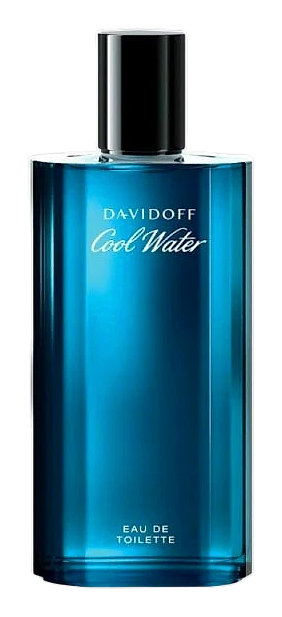
Davidoff launched Cool Water Night Dive in 2014 as a nocturnal counterpart to the legendary 1988 original. Perfumer Jean-Christophe Hrault was tasked with translating the house's iconic aquatic freshness through a darker lens, capturing not the refreshing splash of daytime, but the cold mystery of ocean water under a night sky. The brief was simple on paper: same family, different hour. The execution required finding materials that could bridge those two worlds without losing what made the original revolutionary.
What makes this composition work is the tension between cold and warm. The opening, mint, marine notes, pistachio wood, mastic, hits with real bite. That pistachio and mastic combination is unusual in masculine fragrances; resinous, slightly bitter, they prevent the aquatic accord from going sterile or soapy. As the mint fades, cashmeran enters with its warm, powdery softness, and tobacco adds body. The sea notes don't disappear so much as they cool down and settle underneath, becoming a memory rather than a statement. It's Davidoff's water signature, but aged.
The evolution
The opening announces itself immediately, mint, cold marine, a slight astringency from the mastic. It reads crisp, almost clinical. Within fifteen minutes, the aquatic accord begins its retreat as tobacco and black pepper move forward, the sage adding an herbal-green counterpoint that keeps things interesting. The drydown is where this fragrance earns its name: amber, suede, and musk arrive quietly, wrapping the skin in warmth. The marine notes don't vanish, they linger underneath, cool and persistent, for the remaining hours. By hour five, it's skin-close and intimate, the suede and musk taking over completely. On fabric, it fades faster; on warm skin, it holds longer.
Cultural impact
Cool Water Night Dive arrived in 2014 as Davidoff pushed its iconic water signature into nocturnal territory. While the original defined daytime freshness for a generation, the flanker's tobacco and cashmeran heart represented a deliberate move toward evening wear and cooler weather, appealing to those who wanted aquatic heritage with more complexity and darker character.