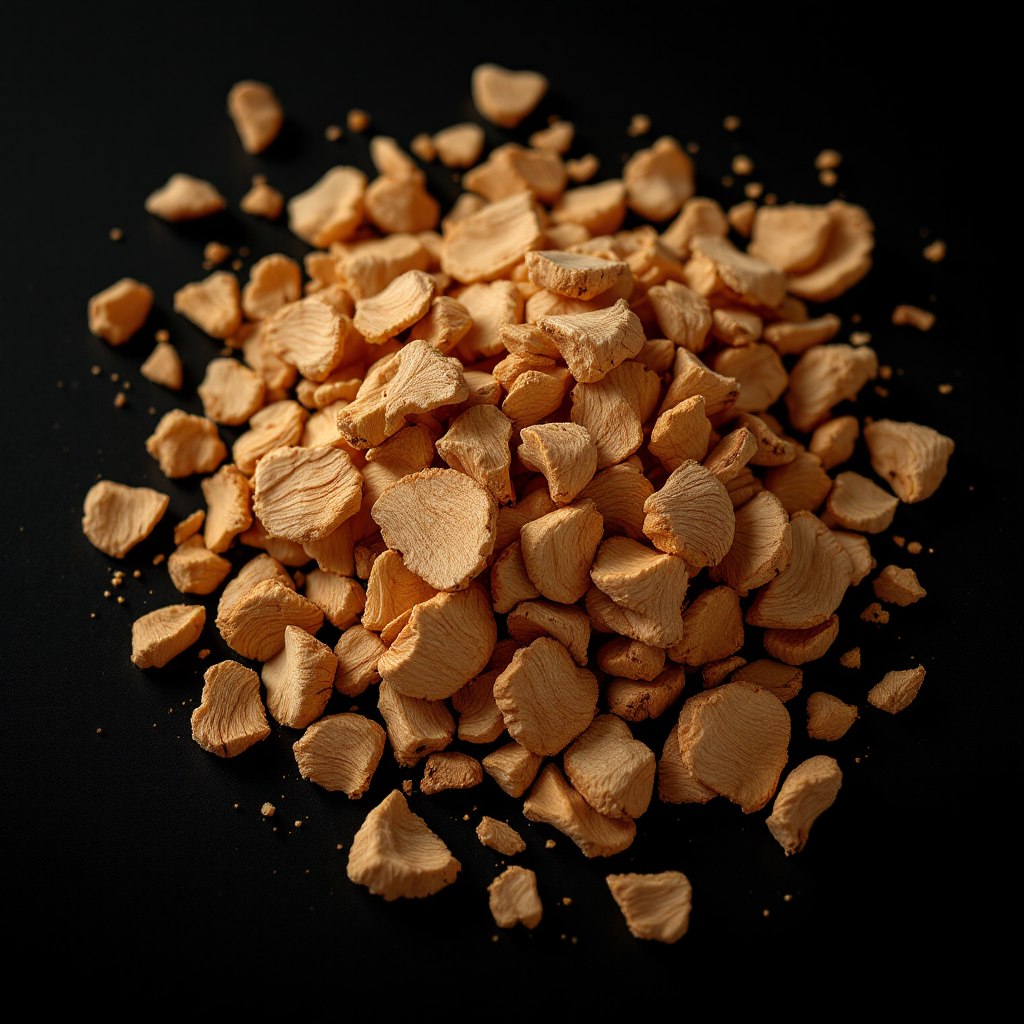
Pistachio Wood
Warm and creamy with a distinctly nutty character, pistachio wood brings gourmand depth to fragrance compositions. This underutilized perfumery ingredient bridges sweet and woody categories, offering a subtle vanillic quality rarely found in traditional wood notes.
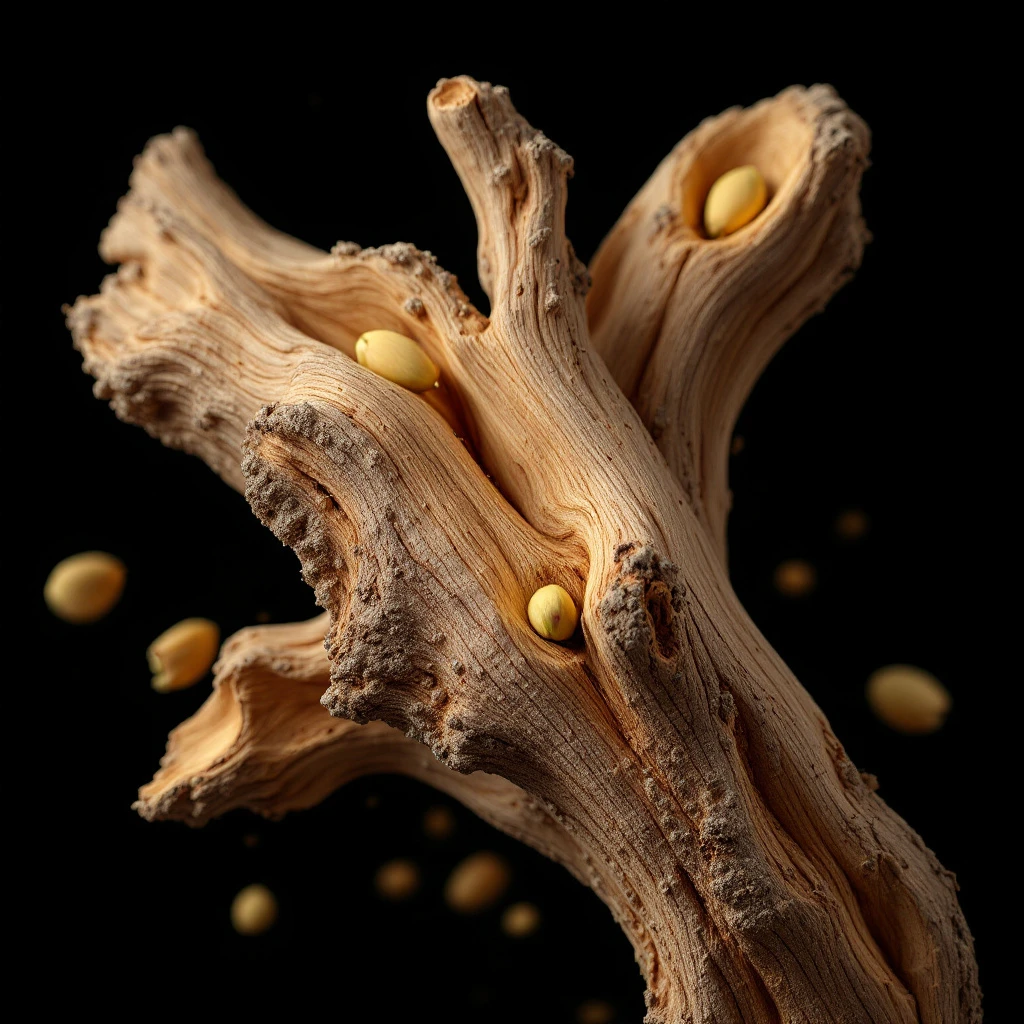
Character
How it smells
Nutty warmth with creamy depth
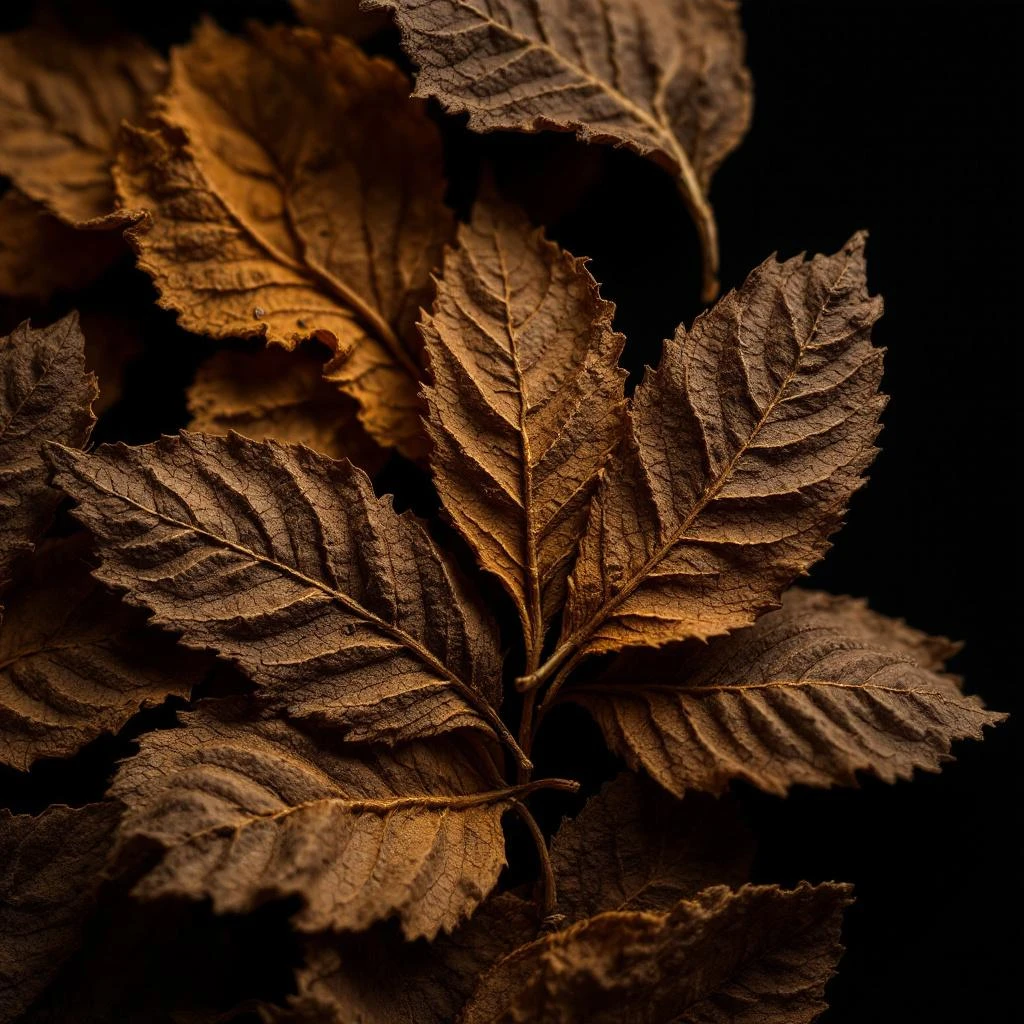
Pistachio trees can live for more than 300 years, and their aromatic heartwood develops its most complex scent profile in trees over 50 years old.




Origin
Iran
Pistacia vera has been cultivated for over 7,000 years, originating in the Middle Eastern region spanning modern-day Iran, Syria, and Turkey. Ancient civilizations treasured the pistachio for both its culinary and medicinal properties, though perfumery applications developed much later. The tree belongs to the Anacardiaceae family, sharing botanical kinship with mastic and turpentine-producing species, which explains its subtly resinous aromatic character.
As trade routes expanded during the Islamic Golden Age, pistachio products spread across Europe and Asia. Perfumery adoption of pistachio wood accelerated during the late 20th century as fragrance houses sought to expand their woody palette beyond traditional options like sandalwood and cedar.
Wears it best
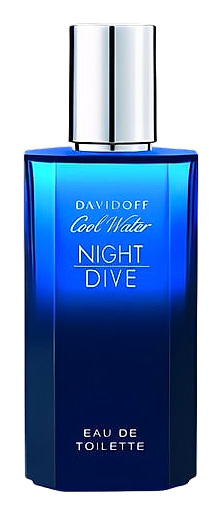
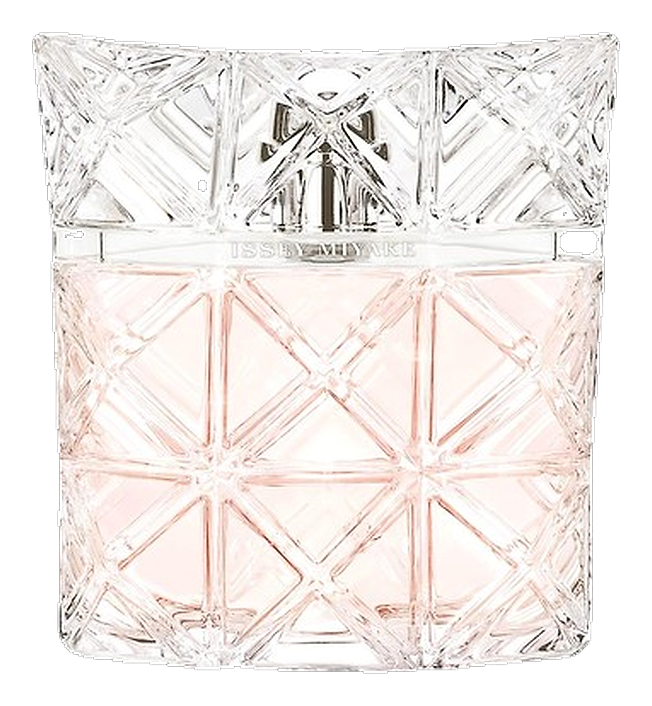
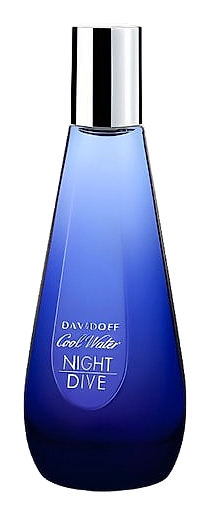
Fragrances featuring Pistachio Wood
Brands
Brands known for Pistachio Wood
Good to know
Questions, answered
The essentials on Pistachio Wood in perfumery: how it smells, where it comes from, and how it behaves on skin.
What does pistachio wood smell like?
Pistachio wood offers a warm, nutty aroma with creamy undertones and subtle vanillic warmth. It bridges gourmand and woody fragrance families, adding depth without the sharpness typical of other wood notes.
Is pistachio wood natural or synthetic?
Pistachio wood in perfumery is typically derived from natural plant material through solvent extraction. However, isolated aromatic compounds may be synthesized to create consistent fragrance profiles across batches.
What fragrances feature pistachio wood?
Pistachio wood appears primarily in niche and artisanal fragrances that emphasize warm, edible character. It works well in gourmand compositions, woody Orientals, and modern fougere structures.
Does pistachio wood come from the pistachio nut?
No. Pistachio wood derives from the heartwood and bark of the Pistacia vera tree itself, not the edible nut. The aromatic compounds in the wood differ from those in the fruit.
Is pistachio wood a common perfumery ingredient?
Pistachio wood remains relatively rare in perfumery compared to mainstream woods like sandalwood or cedar. Its low extraction yield contributes to its limited availability and niche status.
What fragrance families pair well with pistachio wood?
Pistachio wood complements gourmand ingredients like tonka bean and benzoin, woody companions such as cedar and sandalwood, and warm resins including labdanum and olibanum.
How long has pistachio wood been used in perfumery?
While pistachio trees have been cultivated for thousands of years, pistachio wood emerged as a perfumery ingredient primarily during the late 20th century as fragrance creators expanded their palette.
Can pistachio wood be used as a standalone note?
Pistachio wood functions best as a supporting note that adds warmth and depth. Its subtle character complements rather than dominates, making it an excellent blender in complex fragrance constructions.