
The Story
Why it exists.
The beginning
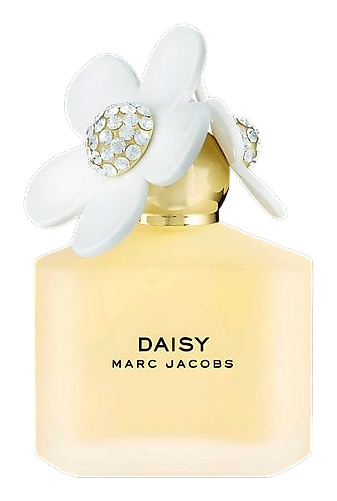
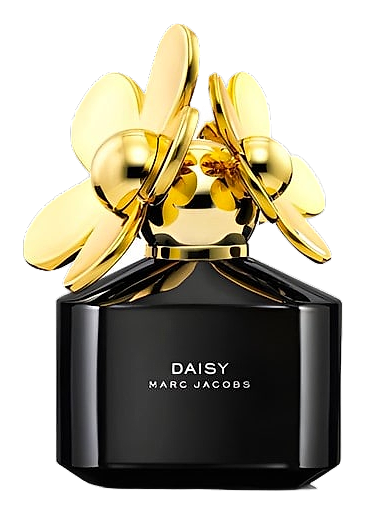
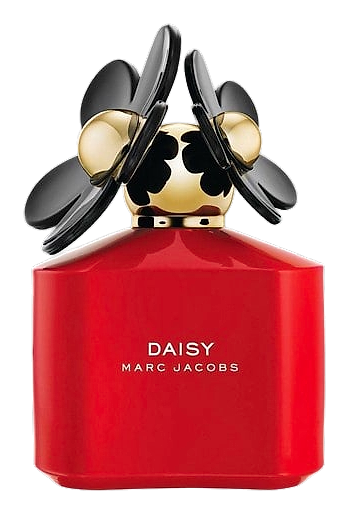
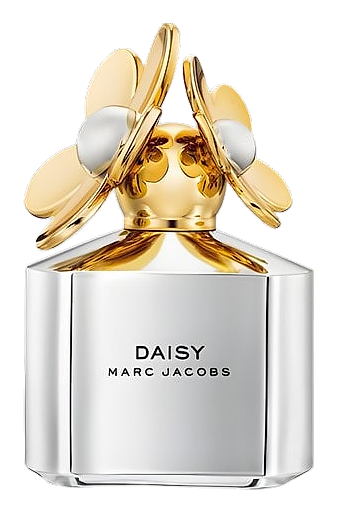
Daisy Hot Pink arrived in 2011 as a richer, fruitier twist on the original Daisy from Marc Jacobs. The Hot Pink edition leaned into a louder, sweeter register, the kind of scent that feels like picking the boldest lipstick at the counter when you meant to play it safe. Alberto Morillas composed the juice: strawberry on top, a heart of jasmine, gardenia, and violet built around a white floral scaffolding, and a base of cedar and birch that grounds the sweetness in something quieter and more grown. The composition reads like a confident rewrite of an already beloved formula, one that swaps out the original's airy springtime lift for something denser and more candied.
What makes this composition work is the strawberry-violet tension. Strawberry alone reads candy, almost too easy. But violet does something specific to fruit notes. It adds that soft, talc-like powder that makes the sweetness feel earned rather than accidental. Gardenia and jasmine bring the lush white-floral body that Daisy built its reputation on, while the birch and cedar in the base keep the whole thing from floating away. There's a deliberate architecture here, with the woods serving as ballast beneath layers of fruit and flower.
The evolution
The first fifteen minutes are loud. Strawberry hits first, bright and almost jammy, with that unmistakable candy-strawberry character, the kind of fruit note that evokes strawberry candy, gummy confections, and the sugared tops of children's breakfast pastries. It's the version of the note that smells engineered to be instantly recognizable, and there's something charming about that. By the thirty-minute mark, the gardenia and jasmine have elbowed in, pushing the strawberry back into the supporting cast. Violet appears as a dusting, a sheer layer over the white florals, the way powder sits on skin after blush. Past the two-hour mark, the composition changes shape entirely. The strawberries are gone. The jasmine has mellowed.
Cultural impact
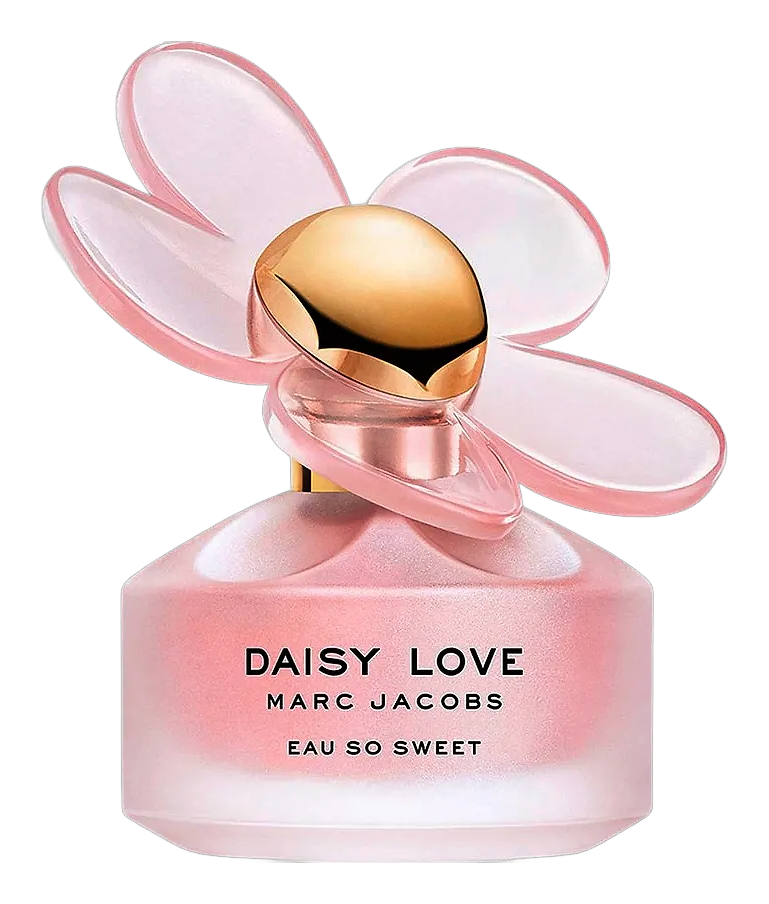
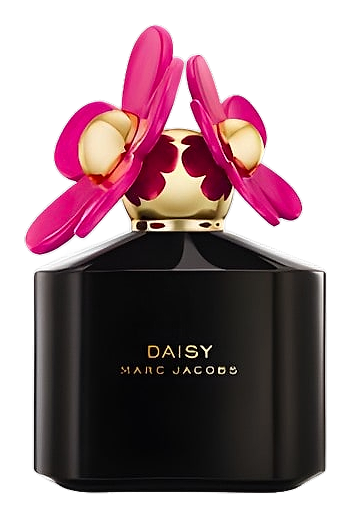
Daisy Hot Pink arrived in 2011 as a flanker to the original Daisy, and it brought something noticeably bolder to the table. The bottle, with its deep pink daisy cap and black body, stands out visually from the rest of the Daisy line, and it became a collector's item, particularly because production was apparently discontinued. That discontinuation has made the fragrance a sought-after piece for fans of the brand, who treat the bottle as something worth holding onto even when the juice runs out.
The House
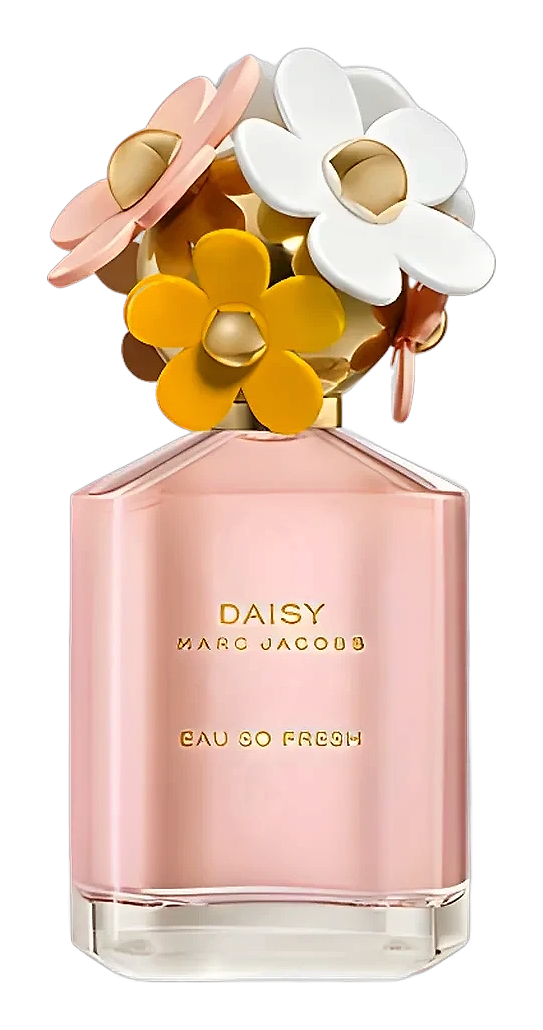
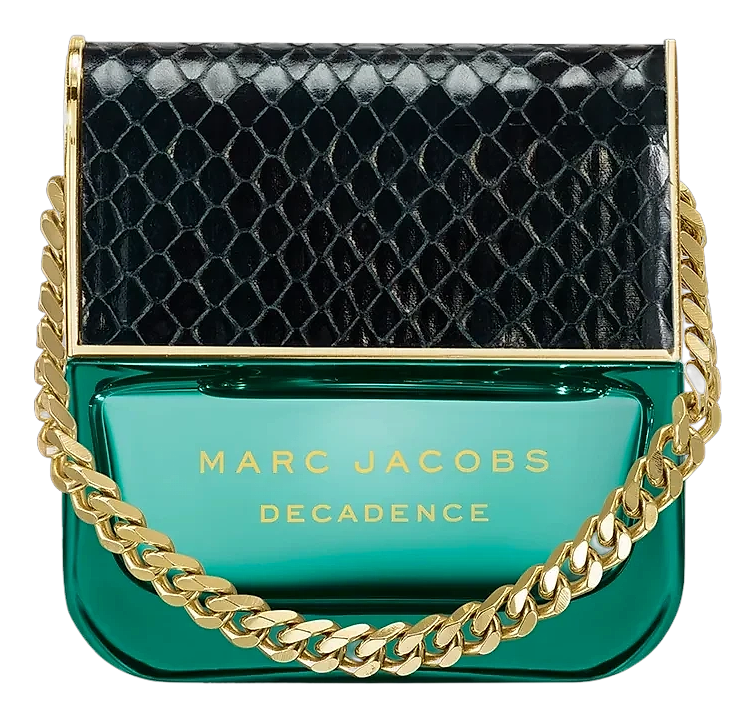
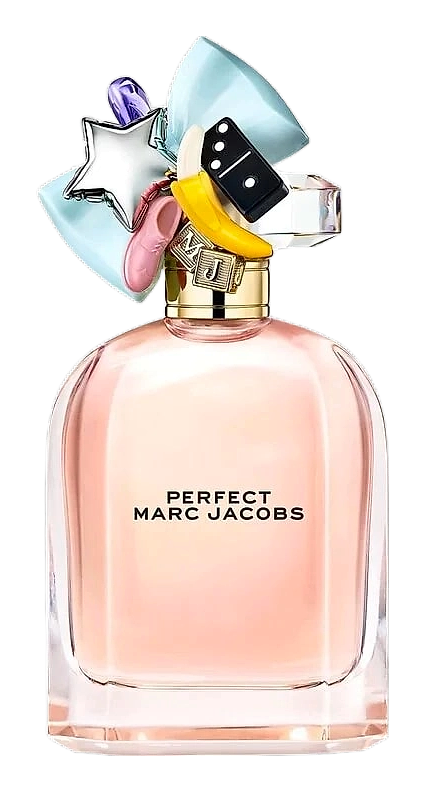
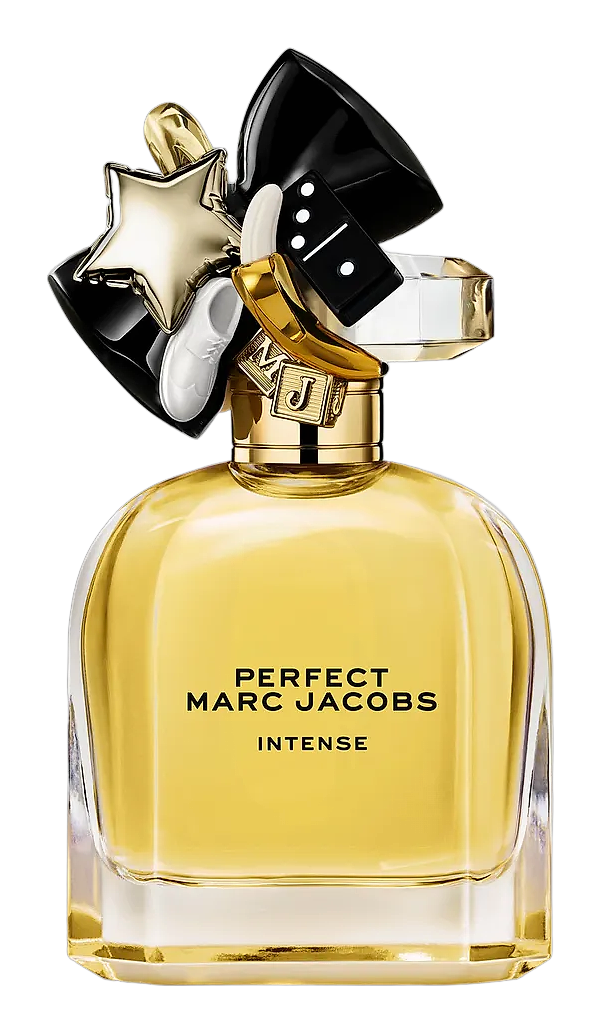
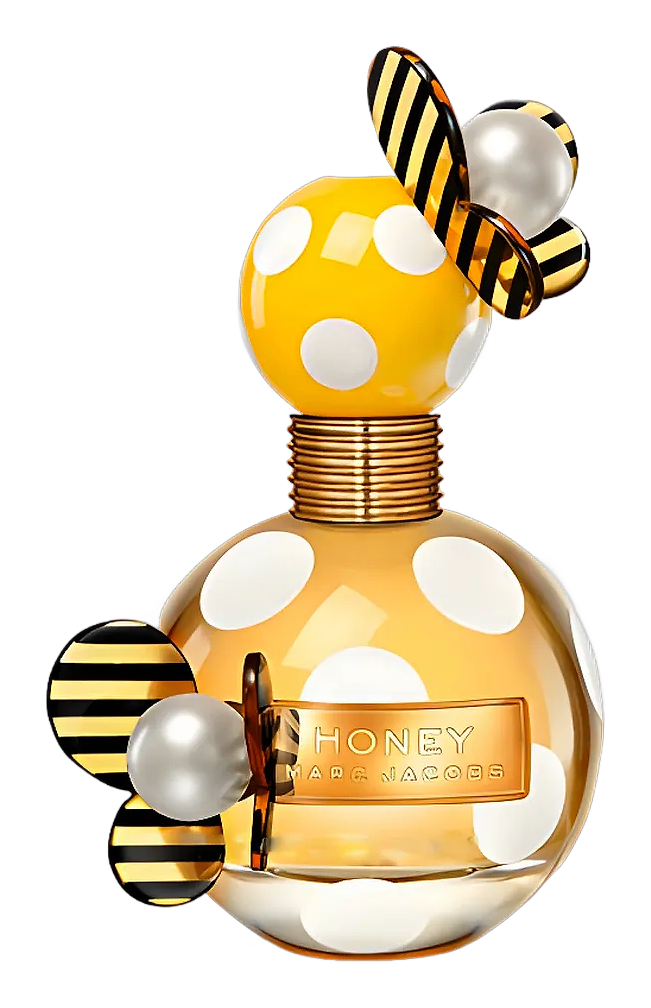
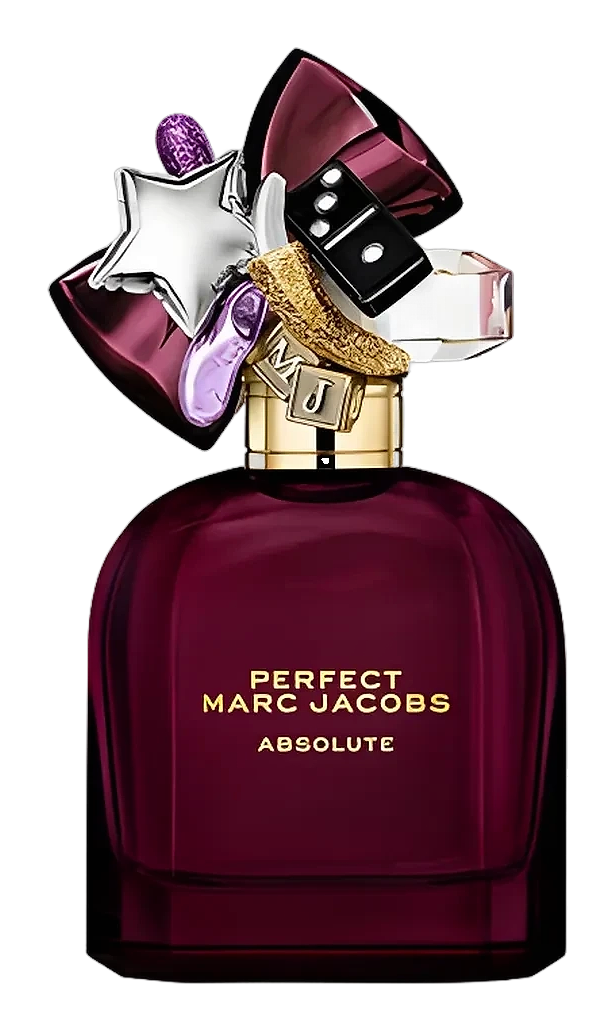
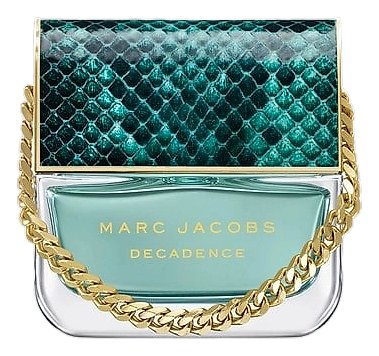
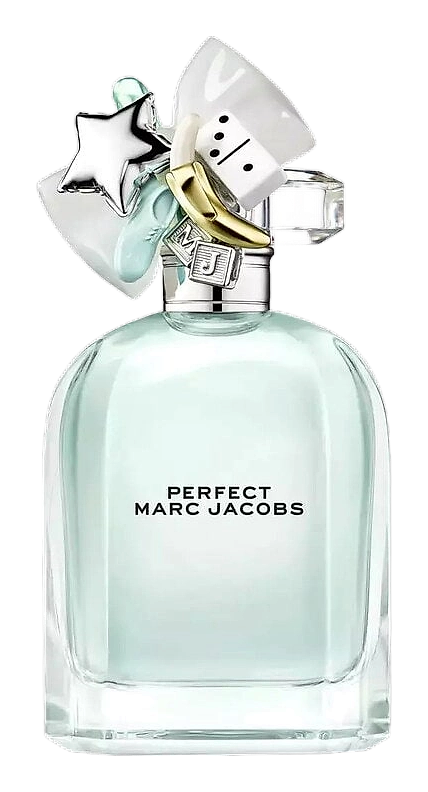
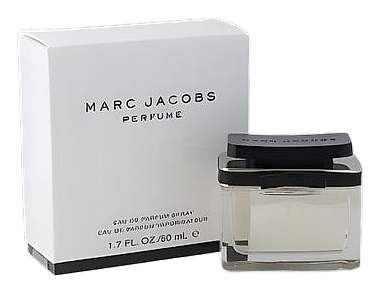
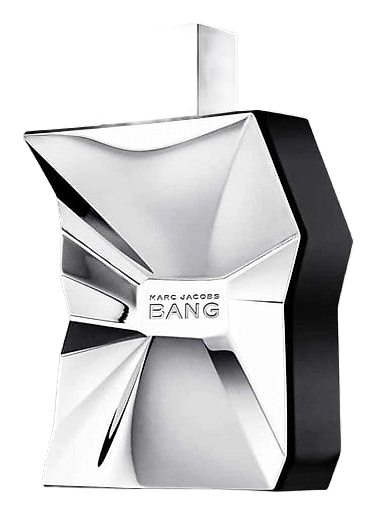
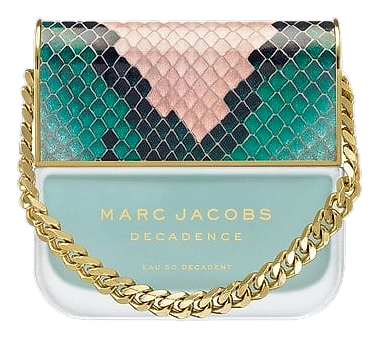
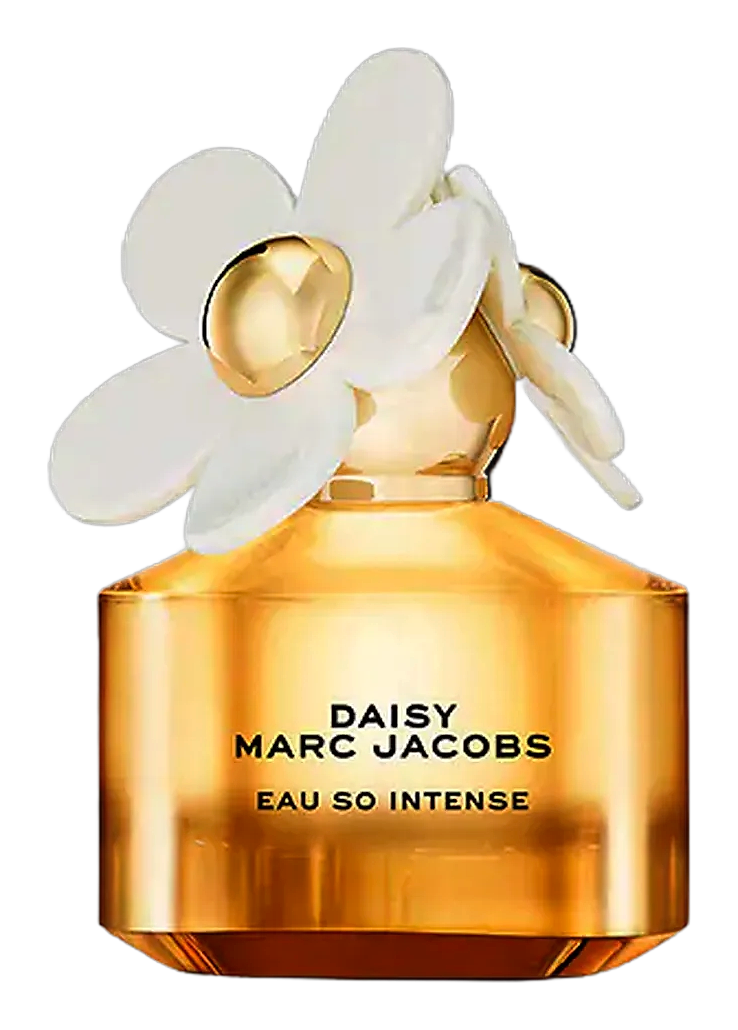
Marc JacobsMarc Jacobs fragrances, produced under license by Coty, launched in 2001 with Marc Jacobs for Women, followed by a companion men's scent in 2002. The brand has since built an extensive portfolio of fragrances anchored by signature lines including Daisy (2007), Lola (2009), Decadence (2015), and Perfect (2020). Daisy, named after Daisy Buchanan from F. Scott Fitzgerald's The Great Gatsby, quickly became a defining success for the brand, spawning numerous flankers and variations across multiple collections. The line's visual identity, with its oversized daisy cap atop a clean bottle, became one of the most recognizable silhouettes in contemporary perfumery. Decadence introduced a handbag-shaped bottle on a gold tasselled chain, a notably unconventional vessel for fragrance at the time of its launch. The brand has collaborated with a broad roster of perfumers over the years, including Annie Buzantian, Ann Gottlieb, Steve DeMercado, Loc Dong, Alberto Morillas, and Calice Becker, among many others. Marc Jacobs fragrances are available at major department stores worldwide and online.
The Creator
Alberto MorillasMorillas' style is characterized by a luminous transparency and a masterful use of musks. He often incorporates citrus notes to create a bright, uplifting effect.