
The Story
Why it exists.
The beginning
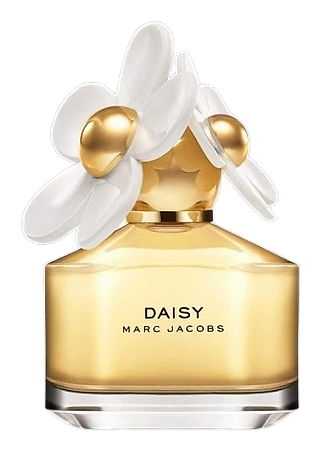
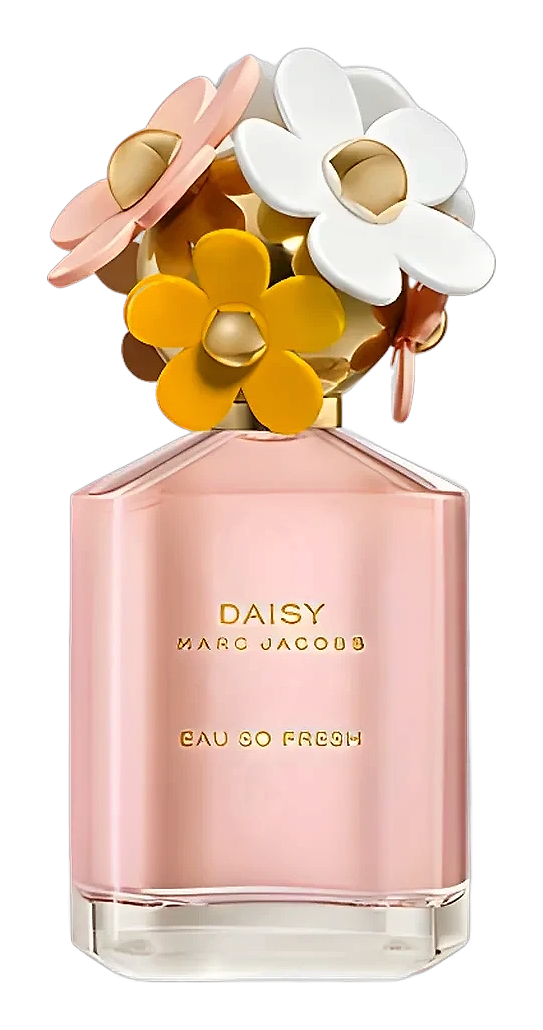
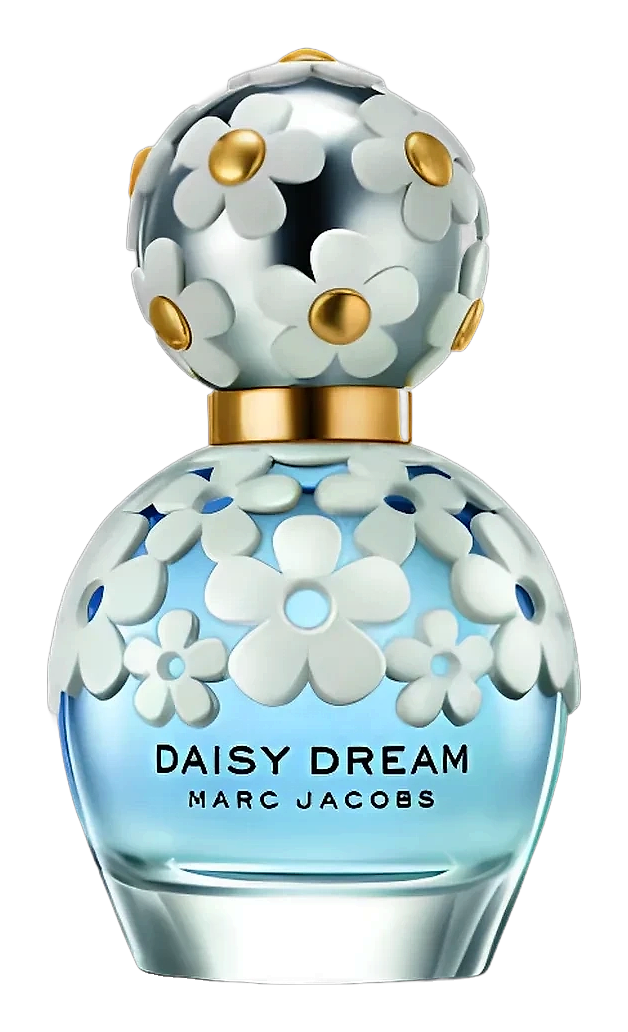
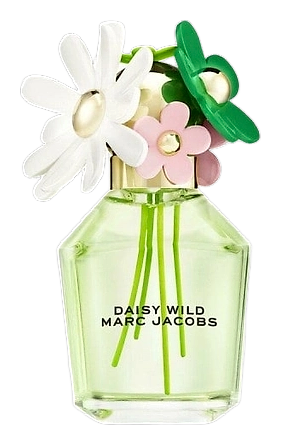
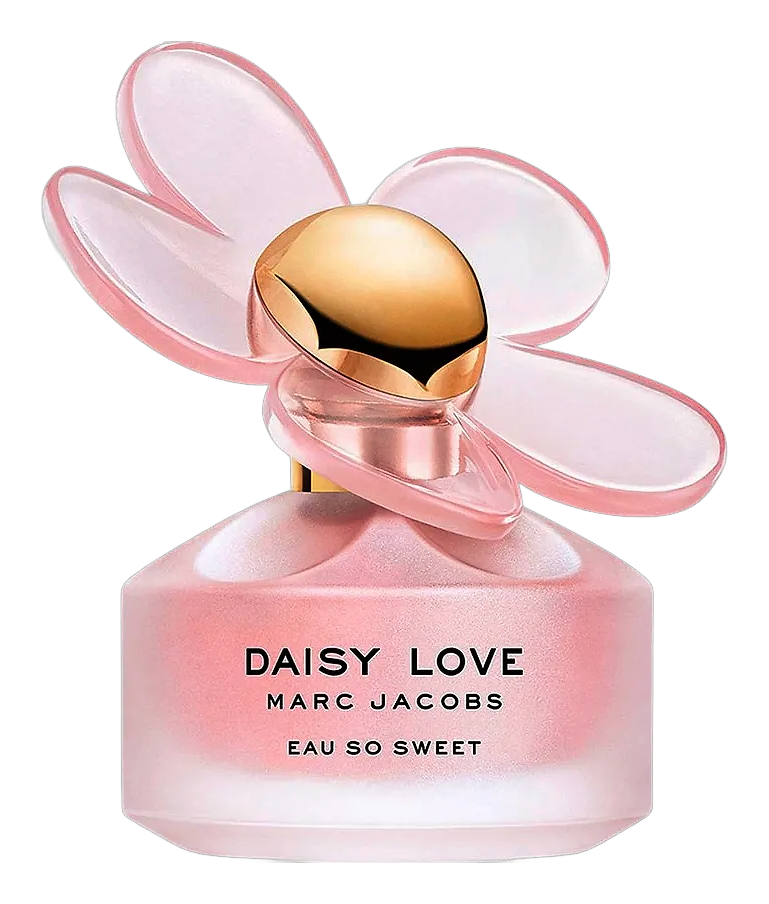
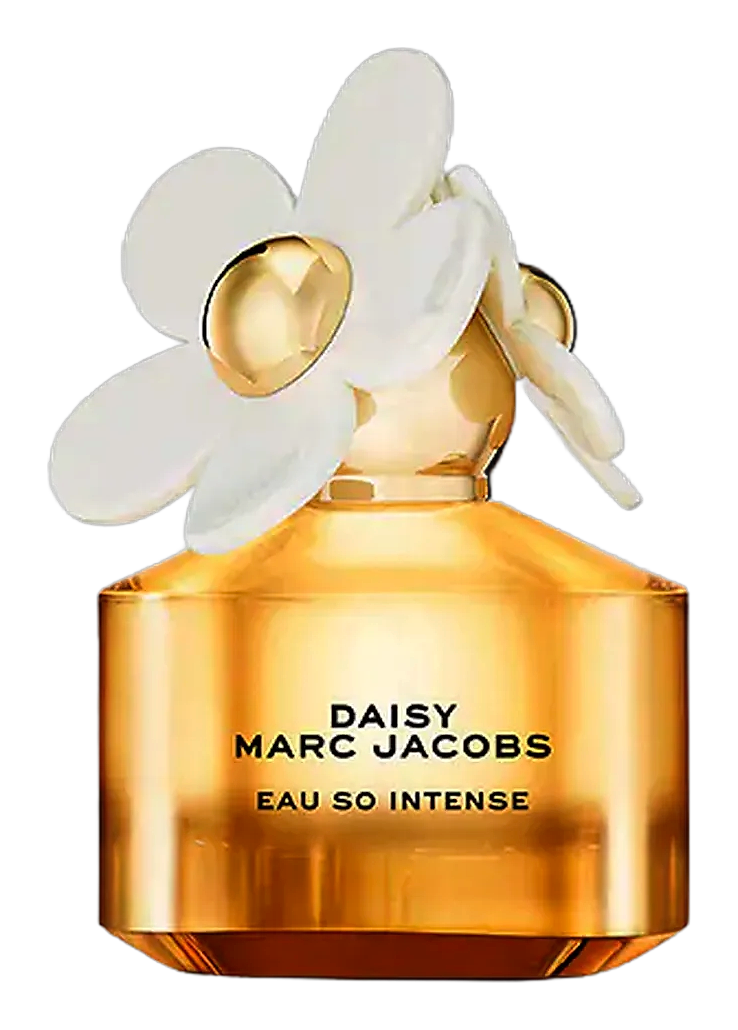
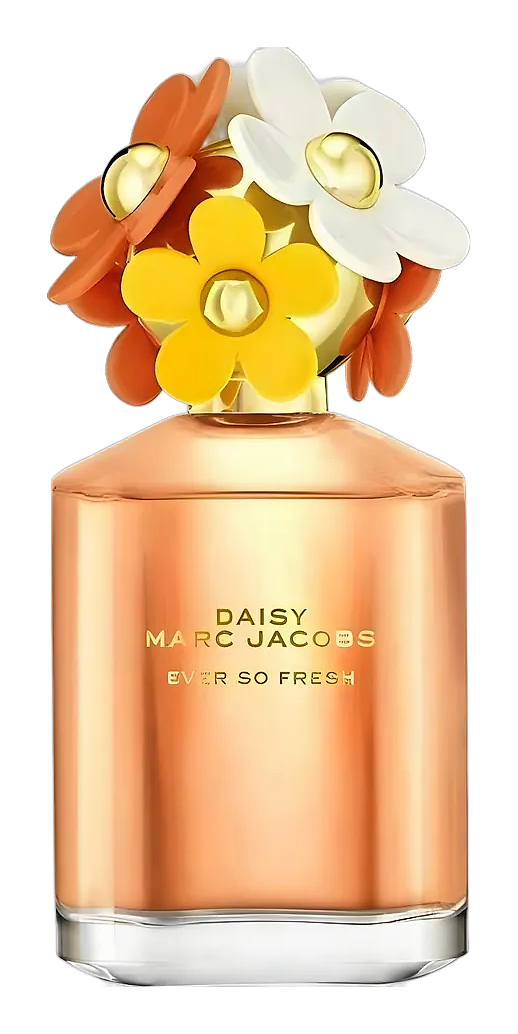
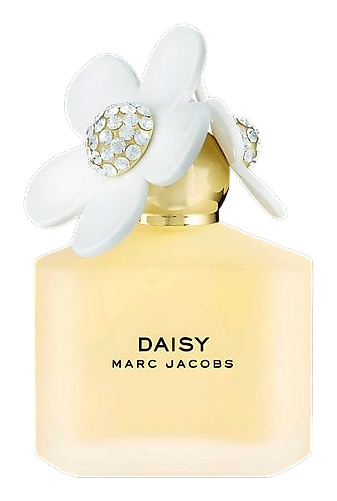
Ten years is a lifetime in fragrance fashion. In 2007, Alberto Morillas delivered a Daisy that became a bestseller and spawned a sprawling collection of flankers. By 2017, the brand wanted to mark the milestone without changing what worked. The anniversary bottle arrived in travel retail that October, frosted glass replacing the original's clear flacon, oversized crystal daisies clustering around the cap. The juice inside, however, is the 2007 composition unchanged. Same opening, same heart, same drydown. Alberto Morillas didn't revise history. He just gave it a better display case.
The structure is deceptively simple: bright citrus-fruity opening, powdery floral heart, clean musk base. What makes it distinctive is how the violet leaf never fully disappears, it threads through the gardenia and stays present into the drydown, giving the fragrance a green undertone that keeps the sweetness from cloying. Strawberry adds a brief juicy flash in the top, but it's not the point of the fragrance. The point is the violet-gardenia-musky afterglow that became, for millions of wearers, the smell of wearing something you love.
The evolution
The opening arrives crisp and immediate, blood grapefruit first, a clean zing that opens the nose. Strawberry arrives within seconds, adding fruit without weight. Then the violet leaf shows up and steers everything cooler and greener for about twenty minutes. The heart hands off to gardenia and jasmine, that powdery white floral warmth that defines the wear. This is where it earns the name Daisy. The base is all clean skin: musk, white woods, a whisper of vanilla. It stays close, moderate sillage, intimate and friendly. The gardenia-violet combination holds longest on fabric, with the drydown becoming increasingly subtle as the hours pass.
Cultural impact
Daisy defined the approachable luxury floral segment for a generation. Its 2007 launch arrived at a moment when fruity-floral compositions were becoming the mainstream default, and it rode that wave with distinctive packaging and a clean, joyful formula that appealed across age groups. The 2017 anniversary edition didn't reinvent anything, it confirmed that the original had already said what needed saying.
The House
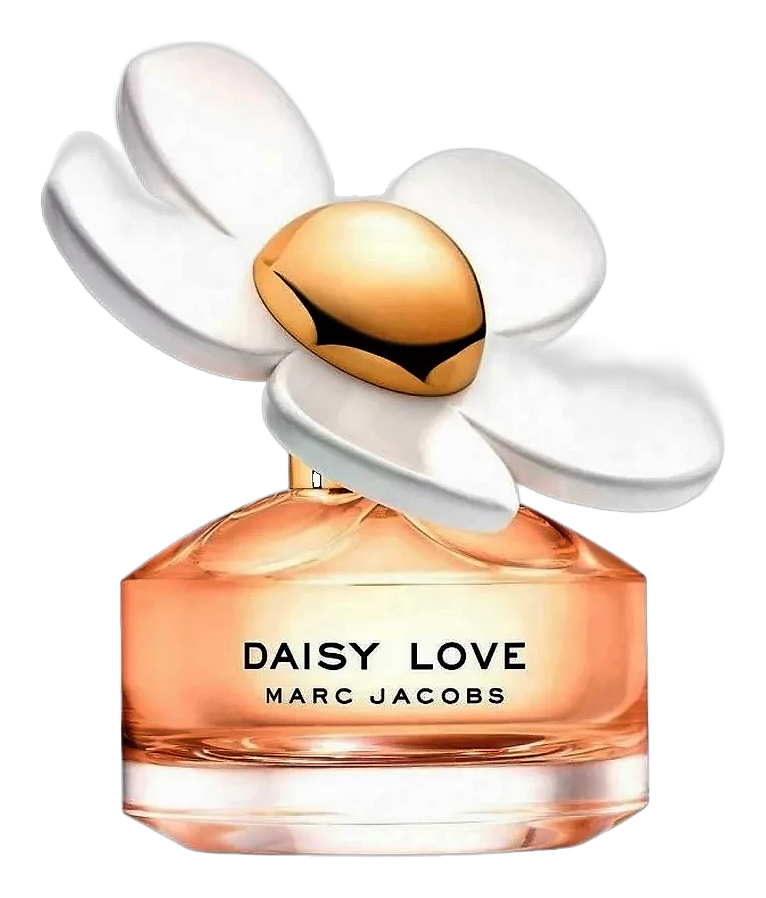
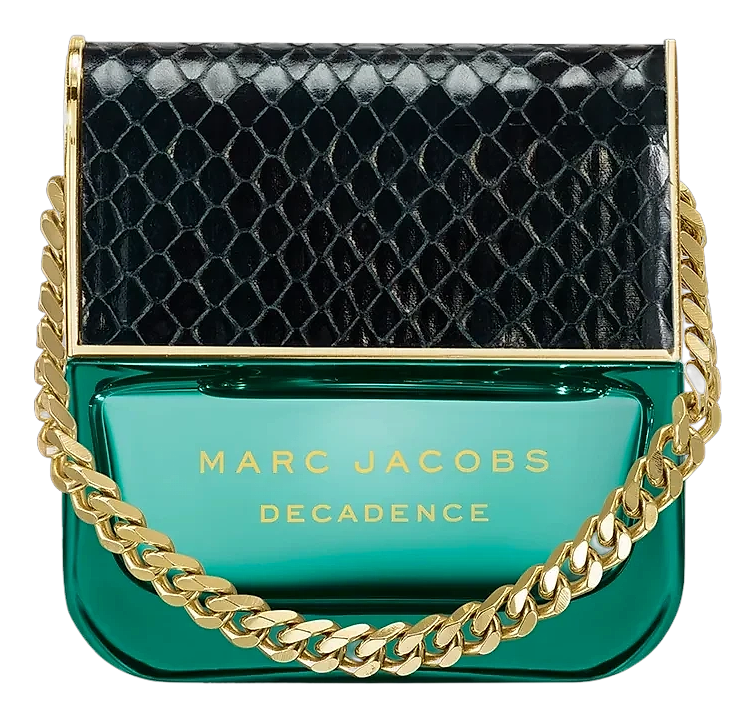
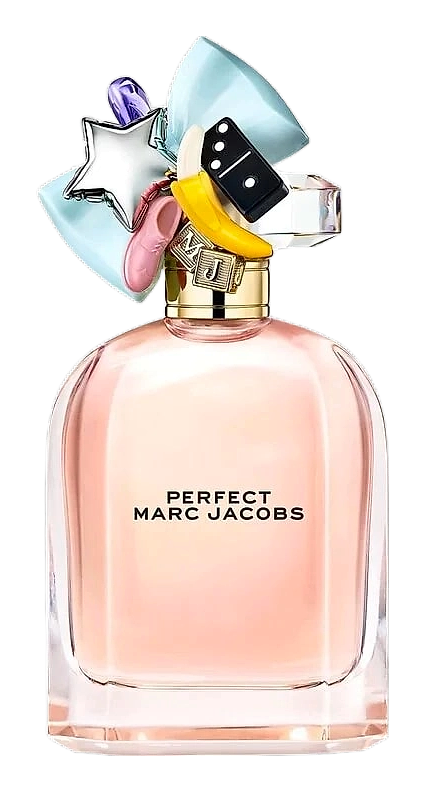
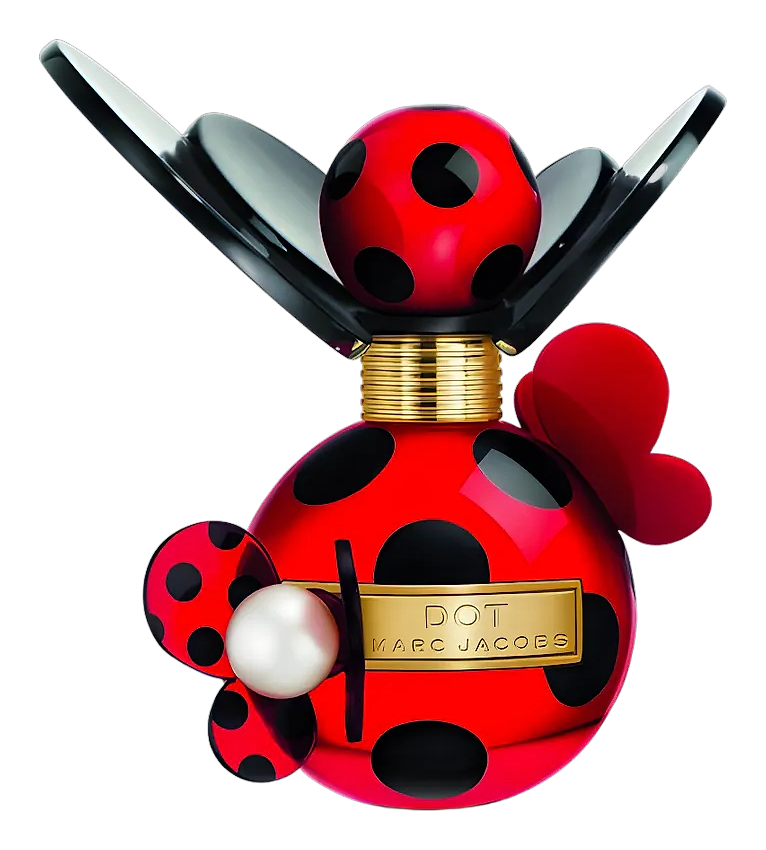
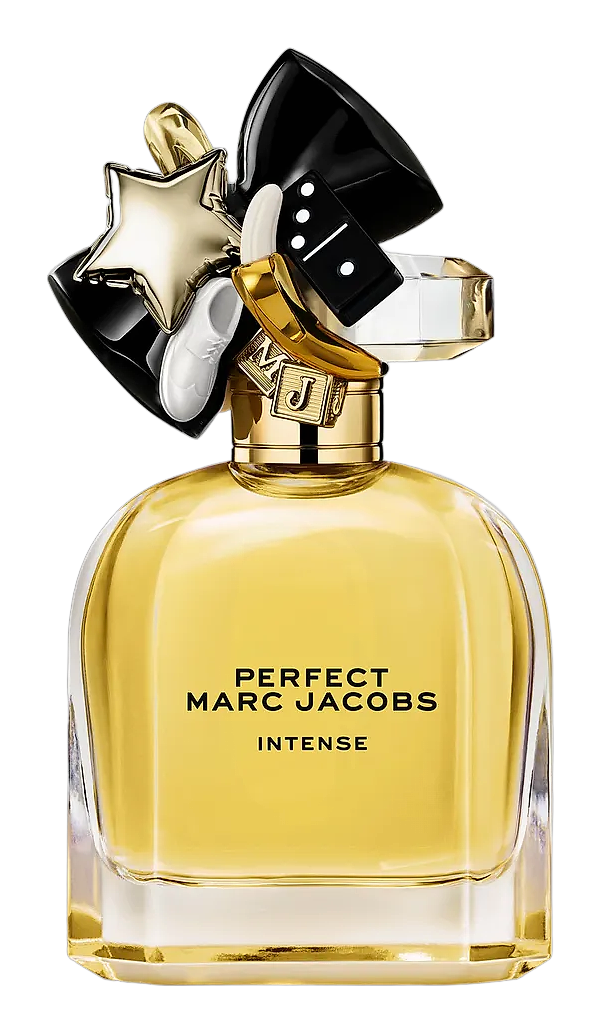
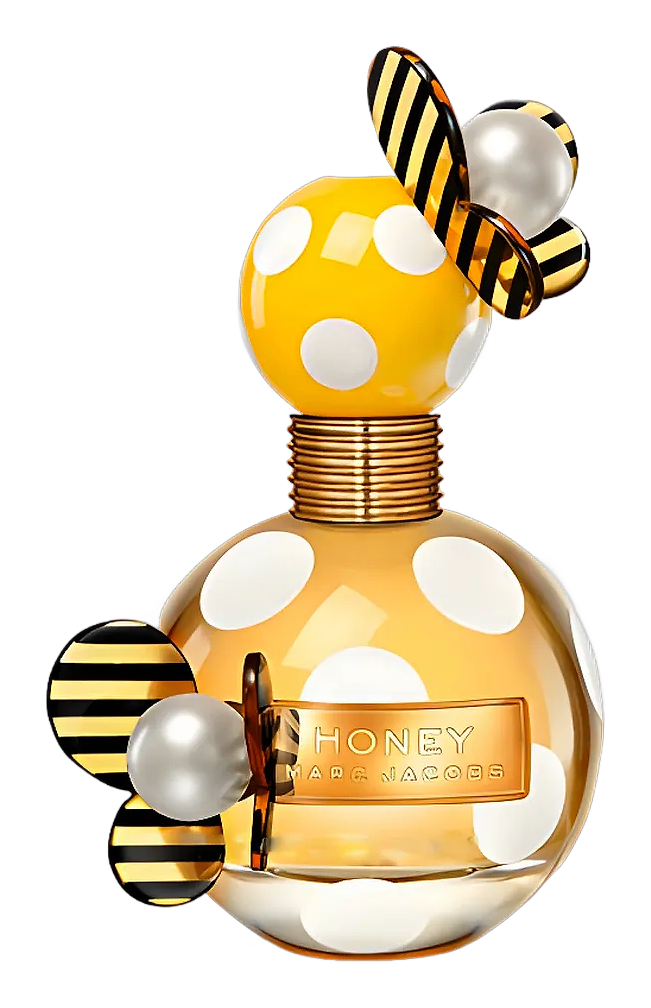
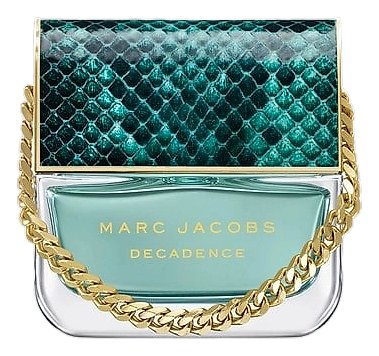
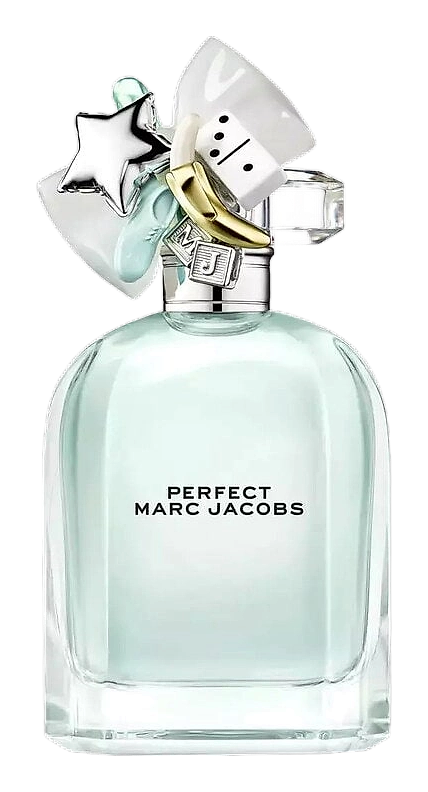
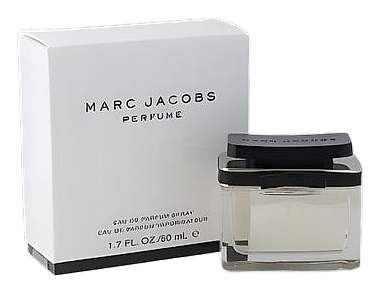
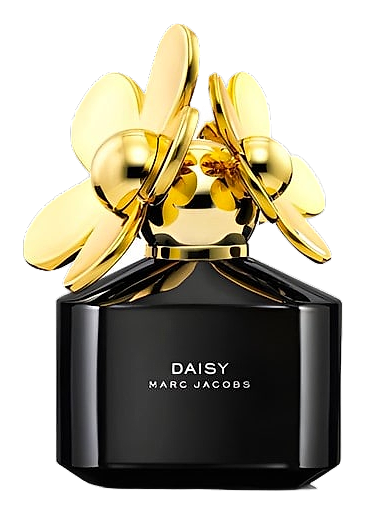
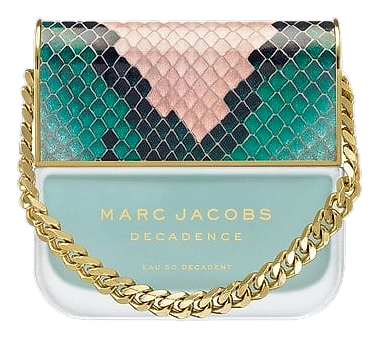
Marc JacobsMarc Jacobs fragrances, produced under license by Coty, launched in 2001 with Marc Jacobs for Women, followed by a companion men's scent in 2002. The brand has since built an extensive portfolio of fragrances anchored by signature lines including Daisy (2007), Lola (2009), Decadence (2015), and Perfect (2020). Daisy, named after Daisy Buchanan from F. Scott Fitzgerald's The Great Gatsby, quickly became a defining success for the brand, spawning numerous flankers and variations across multiple collections. The line's visual identity, with its oversized daisy cap atop a clean bottle, became one of the most recognizable silhouettes in contemporary perfumery. Decadence introduced a handbag-shaped bottle on a gold tasselled chain, a notably unconventional vessel for fragrance at the time of its launch. The brand has collaborated with a broad roster of perfumers over the years, including Annie Buzantian, Ann Gottlieb, Steve DeMercado, Loc Dong, Alberto Morillas, and Calice Becker, among many others. Marc Jacobs fragrances are available at major department stores worldwide and online.
The Creator
Alberto MorillasMorillas' style is characterized by a luminous transparency and a masterful use of musks. He often incorporates citrus notes to create a bright, uplifting effect.