The Story
Why it exists.
The beginning
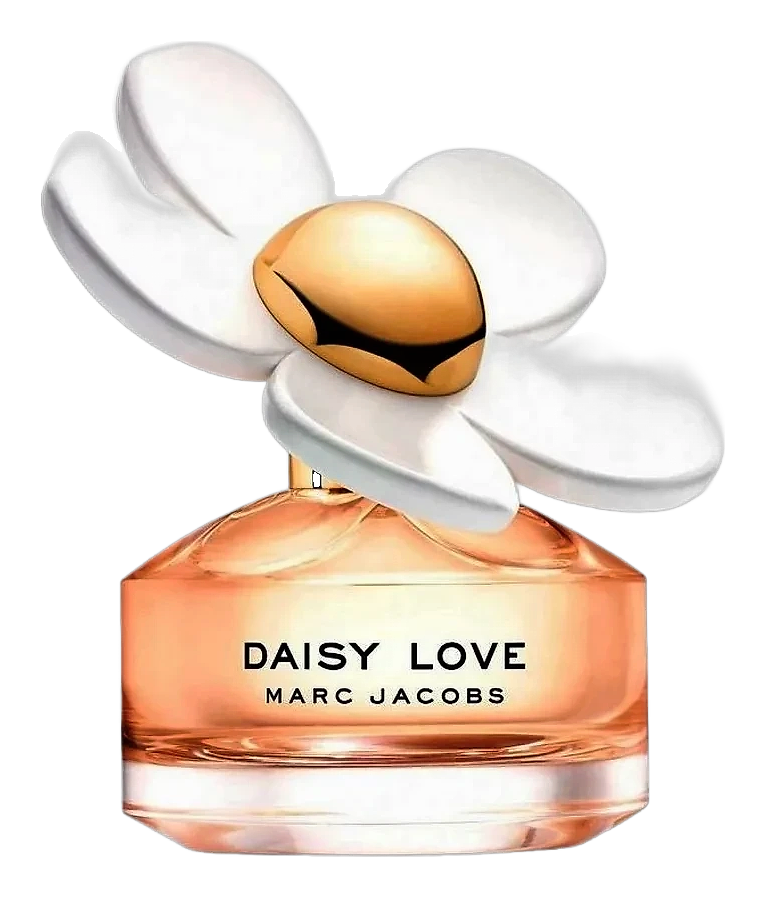
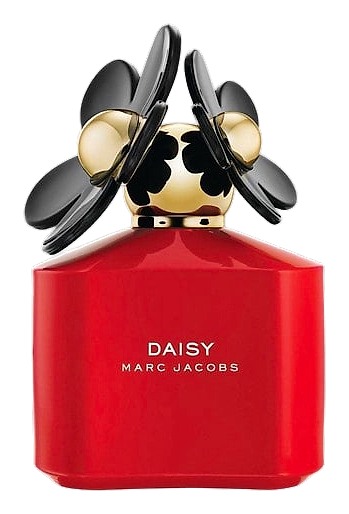
Daisy Pop Art Edition dropped in 2010 as part of Marc Jacobs' ongoing conversation with the Daisy woman, the one who picks joy over formality, who treats fragrance as part of her personal vocabulary rather than a status signal. The original Daisy, launched in 2007, had already proven that a downtown New York sensibility could travel everywhere from airports to office buildings. Pop Art was the next beat in that story: taking the same floral-fruity structure and reframing it through a visual language borrowed from Warhol and Lichtenstein, bold, unapologetic, a little irreverent.
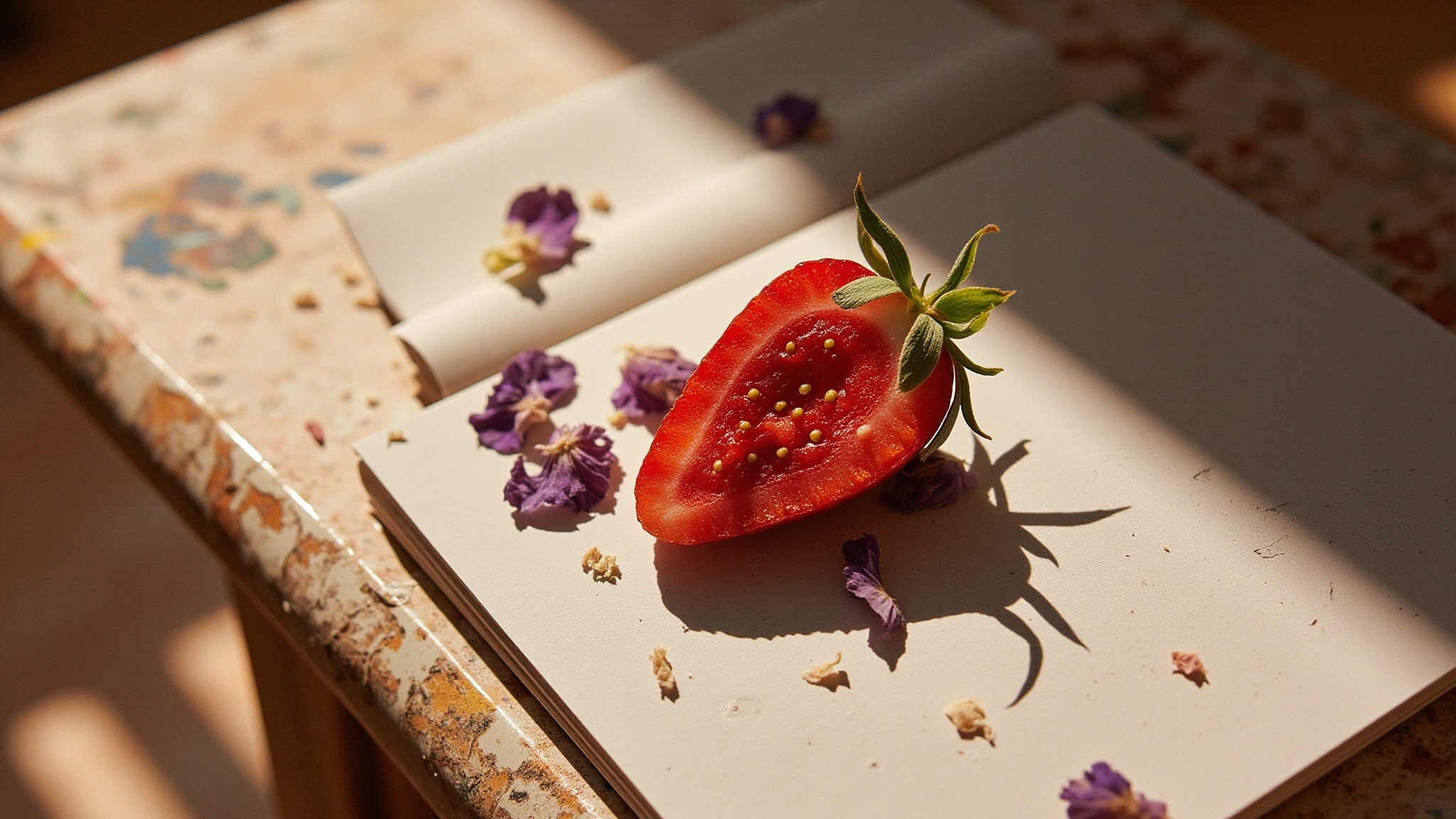
What makes this flanker worth knowing is its restraint. The Daisy line could have chased the popular vote with sweetness, many flankers do. Instead, Pop Art keeps the strawberry note honest: bright, slightly tart, almost juicy without crossing into confectionery. The green violet leaf at the opening grounds it. The gardenia and jasmine in the heart keep it feminine without tipping into bridal. By the base, woody notes and musk hold everything at skin level. It's Daisy without the exclamation point.
The evolution
The opening hits fast: violet leaf gives way to strawberry and grapefruit in something close to a burst. Within ten minutes the grapefruit recedes and the florals take over, violet, gardenia, jasmine moving as a single soft cloud. The strawberry lingers underneath, not dominant but present, like a memory of fruit rather than fruit itself. By the third hour the drydown settles: vanilla and musk, warm and close, the kind of smell that lives in the crook of your elbow the next morning.
Cultural impact
The Daisy line became one of the defining fragrance successes of the 2000s, and Pop Art was its collector's moment, a limited visual identity that made the bottle itself part of the appeal. Respected by enthusiasts for its wearability across seasons, it sits comfortably alongside other feminine florals of its era without chasing niche territory.