
The Story
Why it exists.
The beginning
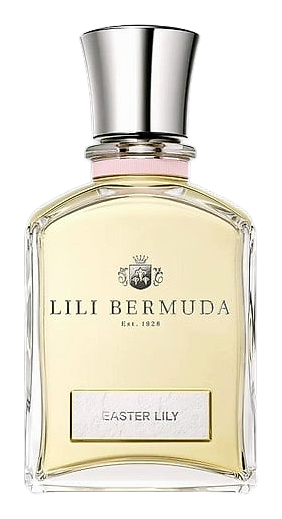
Easter Lily was launched in 1928 by Madeline Scott, conceived as a tribute to the white flower that blooms across Bermuda each spring, an emblem of the island itself. The composition was a direct translation of the bloom: take the lily, surround it with the green and softness of the gardens where it grows, and let the bottle carry the season. The scent sits at the center of the house's identity, the composition a small family perfumery built everything else around. Nearly a century later, the formula still stands, a quiet study in restraint and place. The opening reads bright and botanical, cassis and leafy greens arriving like the first walk through a garden after rain.
What makes Easter Lily unusual is its restraint. This composition pulls in the opposite direction from what one might expect of a white floral built around the lily note. The green notes and cassis at the top act as a bright, slightly bitter curtain, sharpening the flower before it can soften into something too sweet. There is a coolness to the opening that feels almost like walking past damp hedges early in the morning, the kind of green that has edges. The lilac in the heart adds a cool, almost herbal dimension that keeps the lily from becoming syrupy.
The evolution
The first 15 minutes are the greenest part. Crisp cassis and leafy notes arrive with a cool, slightly tart edge that almost reads as watery, the kind of brightness that suggests ocean air rather than a perfume counter. The green here is sharp and immediate, almost like crushed stems held just below the nose. Within 30 minutes the lily blooms. It comes in soft rather than loud, the way real lilies do: creamy, faintly waxy, with a quiet sweetness that never tips into anything heavy. There is a cool, almost cucumber-like freshness to the bloom that keeps it feeling plucked rather than potted. The lilac threads through the heart, adding a cool, powdery dimension that keeps the bloom feeling lifted, its herbal green softening the edges of the flower without dulling it.
Cultural impact
Easter Lily occupies a quiet but distinct place in the heritage fragrance world. The composition has remained close to its original form for nearly a century, and that longevity alone sets it apart in a category where reformulation and reinvention are the norm. Among collectors who seek out historically rooted compositions, it draws attention for its unusual restraint and the way it treats the lily note with a coolness that most white florals do not attempt. The fragrance is often discussed in the context of place-based perfumery, scents built around a specific geography rather than an abstract idea of luxury or seduction.