The Story
Why it exists.
The beginning
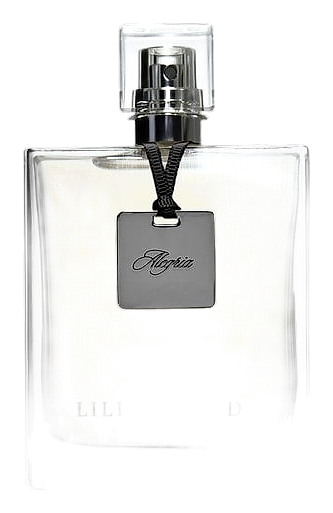
Alegria translates to joy, and that's the brief Isabelle Ramsay-Brackstone wrote herself in 2011. Not the polite, pastel kind of joy. The full-bodied sort, the one that arrives with color and percussion and stays late. Bermuda wears many moods: trade winds, garden parties, the hush after sundown. This composition leans into the moments that demand attention. Ramsay-Brackstone built it from the island's own palette. Citrus blossom and passion fruit for the brightness. Tuberose and frangipani for the lush, almost reckless florals. Patchouli and incense to root it in something older. Cedar runs through the middle like a beam holding the roof up. It reads tropical on the label, but the bones are heavier than that word suggests.
What separates this from the usual tropical floral is the structural decision underneath. White florals this creamy usually float. Here they don't get the option. Patchouli enters early enough to change how the tuberose behaves, giving it depth and a slight resinous bite instead of that soapy sweetness so many white florals fall into. The patchouli grounds the composition from the start, pulling the creamy facets of the tuberose into earthier territory before they have a chance to drift into something weightless. Then there's the coriander, which most people miss until it's gone.
The evolution
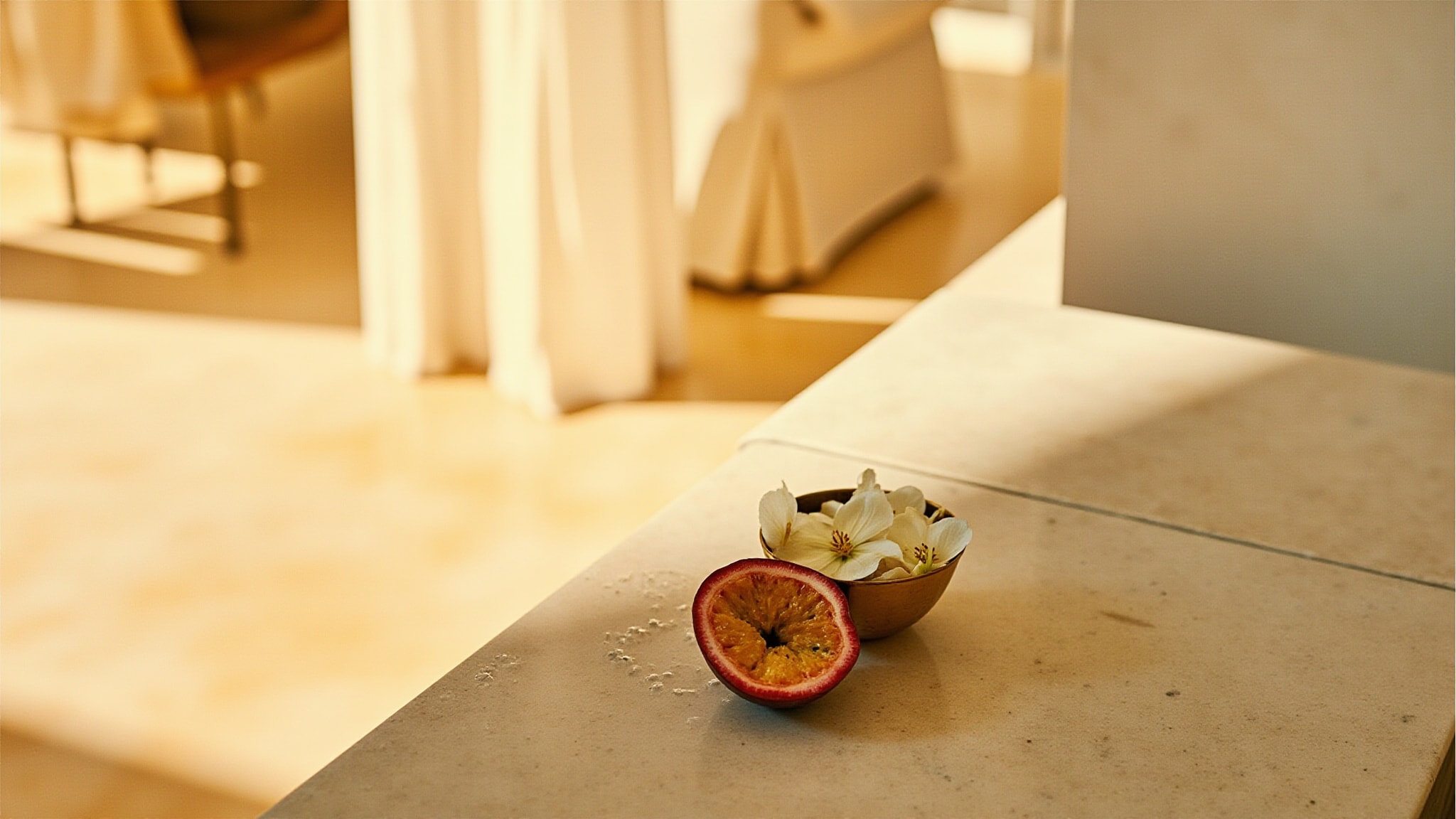
The opening is all citrus blossom and passion fruit, and it lands like a burst of light through a window. There's a tropical sweetness here, but it's cut quickly by the coriander. Green and peppery, like the stem of the fruit rather than the flesh. The coriander slices through the sugary fruit accord and adds a savory, almost herbal snap that keeps the whole thing from tipping over into something cloying. The sillage is moderate and approachable, easy to share with whoever's nearby without overwhelming a space. As the composition develops, the tuberose takes command. It's creamy and warm and slightly narcotic, the way good tuberose should be. The white floral accord deepens and gains weight, shedding the bright fruit notes and settling into something denser and more textured.
Cultural impact
Alegria wears well on someone who likes their florals to mean it. It's not a safe office floral, not a skin scent you forget about. The willingness to go heavy on the tuberose gives it more presence than lighter compositions, and the resinous base ensures the drydown doesn't disappear into the background. The creamy, narcotic quality of the tuberose is the centerpiece, supported by a structure that keeps it from becoming overly sweet or one-dimensional. Best suited to warm-weather evenings and occasions where you want the scent to register without dominating.
The House
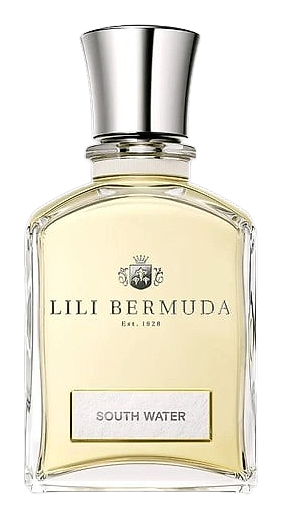
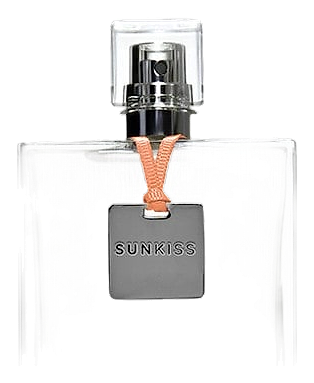
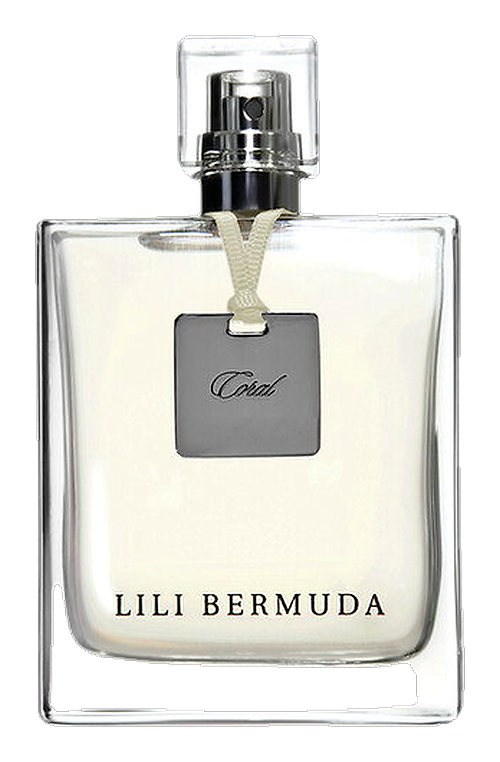
Lili BermudaLili Bermuda is a family‑run perfume house rooted in the island’s maritime history. Since its 1928 launch by William Blackburn Smith and his daughter Madeline, the brand has turned Bermuda’s wind, sea spray and native flora into a line of scents that travel from the laboratory at historic Stewart Hall to the world’s boutique fragrance shelves. Each bottle tells a short story of the archipelago, whether it captures the bright coral reefs of 2006’s Coral or the sun‑kissed dunes of the 2017 SunKiss. The house balances a century‑old legacy with a modern, island‑first approach, making it a quiet but steady presence in niche perfumery.
The Creator
Isabelle Ramsay-BrackstoneIsabelle’s technique blends classic French atelier methods with Bermudian improvisation. She builds a foundation of citrus, marine accords and white musk, then layers in unexpected notes such as roasted coffee beans from St.