The Story
Why it exists.
The beginning
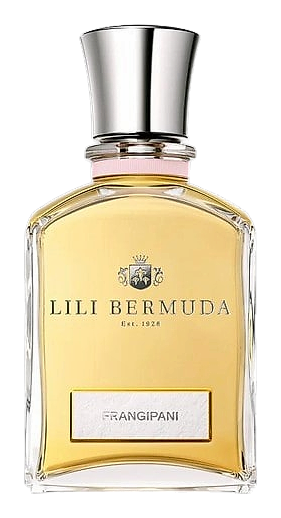
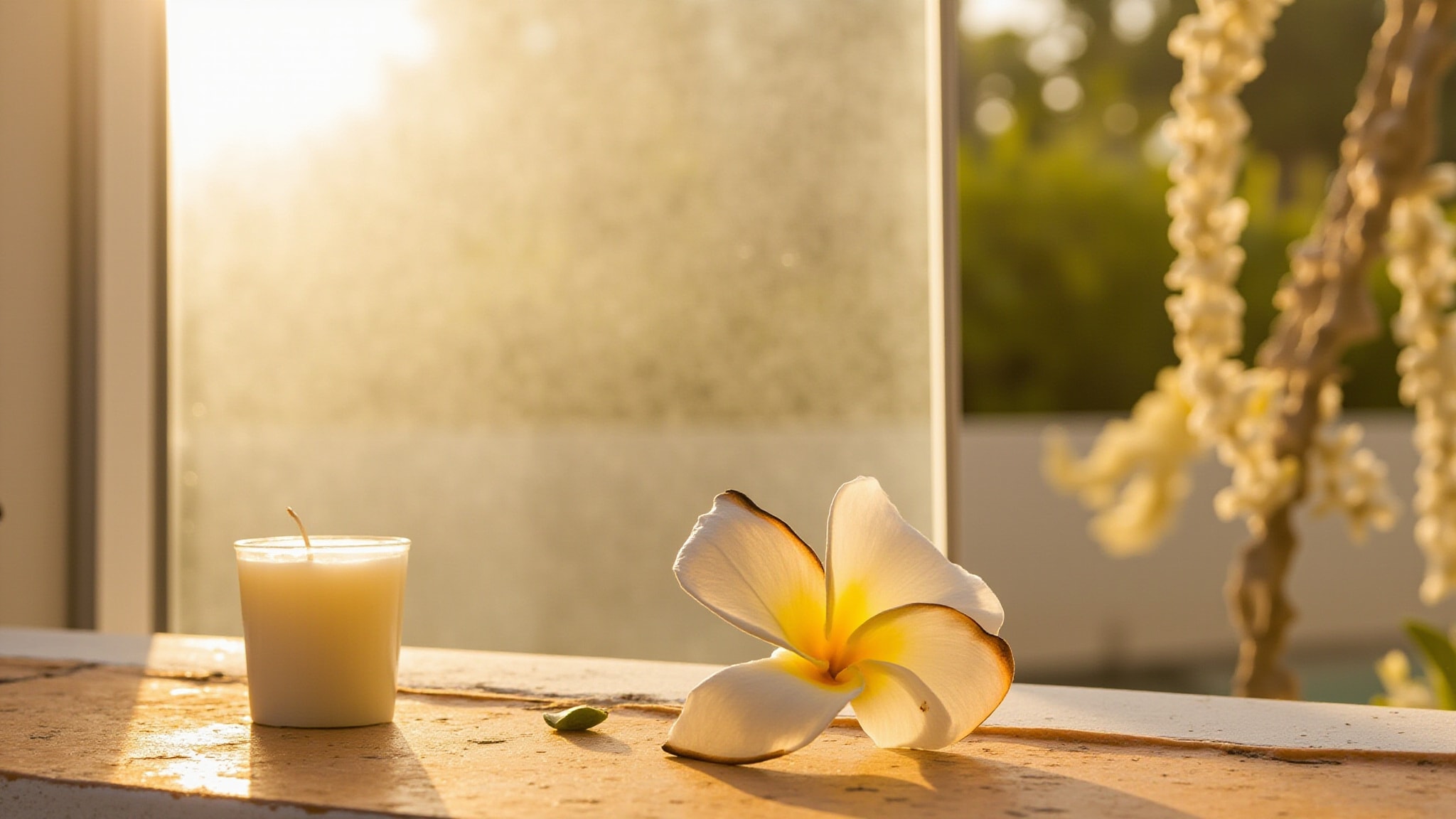
Frangipani is a flower long associated with the warmer latitudes of the world, where its waxy petals unfurl in humid air and its scent carries a heady, almost narcotic sweetness. The bloom has accumulated cultural weight across countless places where it grows, turning up in gardens, courtyards, and roadside plantings wherever the climate allows. Lili Bermuda's Frangipani draws on that universal reverence, treating the flower not as a rare specimen but as the anchor for a full-bodied tropical floral composition. The brief looks simple on paper: frangipani at the center, surrounded by its closest floral relatives. In practice, that's a recipe for something either gossamer or suffocating.
What makes the composition worth paying attention to is the way the florals are stacked into something richer than the sum of their parts. Jasmine and orange blossom open the conversation, two white flowers that share a creamy, almost soapy lushness when they sit next to each other. The ylang-ylang amplifies that creaminess further, adding a custardy depth that pushes the bouquet toward something buttery rather than airy. Together, those three blooms create a creamy haze that reads more tropical than any single flower could on its own.
The evolution
The first ten minutes are an introduction. Jasmine and orange blossom open together, bright and creamy, with a candied sweetness that announces itself without apology. The ylang-ylang threads through underneath, adding a custardy density that thickens the air around the wearer. There's nothing restrained about it. The opening is the kind that fills a room, the kind of presence that drifts behind you as you walk. Around the thirty-minute mark, the composition shifts. The jasmine settles into something less sharp, less animalic, and the orange blossom's honeyed edge begins to soften. The ylang-ylang's custard quality mellows slightly, allowing the heart of the fragrance to reveal itself. The blackcurrant note does quiet work here, a small lift of tart brightness that keeps the bouquet from going flat.
Cultural impact
Frangipani carries a long history as a flower tied to tropical landscapes, planted in gardens and temple grounds across the warm latitudes and held in high regard wherever it grows. Lili Bermuda's Frangipani sits within that tradition, treating the bloom as a cultural anchor rather than a fleeting trend. The composition reads as a collector's piece, the kind of scent that rewards attention rather than a casual spritz. It belongs to a category of fragrances that take white florals seriously, building a full-bodied bouquet around them rather than thinning them into a whisper.