The Story
Why it exists.
The beginning
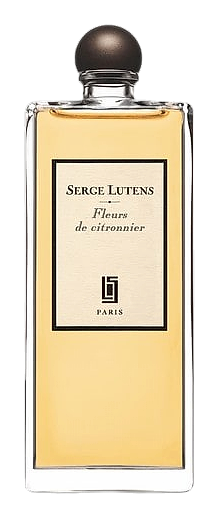
Fleurs de Citronnier centers on a single, specific material: the lemon blossom itself, not the fruit. The flower carries the tree's spirit before the fruit arrives, and Lutens and Sheldrake were drawn to that particular moment of freshness. Christopher Sheldrake composed the fragrance in 2004, and the brief was clear from the name, not lemon, not neroli, but the blossom. What makes this fragrance distinctive is its refusal to treat citrus as a top-note obligation. The lemon blossom stays present through the heart, threaded into the honey rather than simply evaporating. It's a small compositional decision that changes everything about how the scent reads over time.
The combination of white honey and lemon blossom is unusual, honey tends to anchor sweeter, heavier materials, not airy florals. The styrax in the base adds a faint resinous warmth that keeps the powder from going completely flat, while the iris lends a violet-adjacent softness that rounds the drydown into something intimate rather than airy. The real trick of Fleurs de Citronnier is structural: the white honey acts as a bridge between the citrus-floral opening and the warmer heart, so the transition feels continuous rather than staged. No note arrives and departs. Everything overlaps, settles, lingers.
The evolution
The opening is clean. Lemon blossom and petitgrain arrive together, the petitgrain adding a green, slightly bitter edge that keeps the floral from reading as sweet too early. Nutmeg is a ghost, present in the background, not announced. Within twenty minutes, the neroli and white honey take over. The honey doesn't sweeten the composition so much as warm it. The tuberose is restrained, more implied than announced, keeping the heart from tipping into anything heady. By the second hour, the drydown announces itself. Musk and iris create a powdery foundation that reads as violet-adjacent, and the styrax adds a faint resinous warmth underneath. The lemon blossom never fully disappears, it threads through the composition and surfaces again at the three-hour mark, quieter now, close to the skin. The drydown holds for six to eight hours on most skin types, intimate and close rather than projecting outward.
Cultural impact
Fleurs de Citronnier arrived in 2004 as part of Serge Lutens' broader project to redefine French perfumery's relationship with botanical materials. Rather than deploying conventional floral notes, Lutens and perfumer Christopher Sheldrake built the composition around lemon blossom, the flower of the lemon tree rather than the fruit, creating something that felt simultaneously ancient and contemporary. The fragrance entered a cultural moment when Western perfumery was rediscovering botanical authenticity, moving away from synthetic intensity toward compositions that let natural materials speak more quietly. At the time, the idea of a luxury fragrance centered on a single floral element with restrained sillage was unusual.