The Story
Why it exists.
The beginning
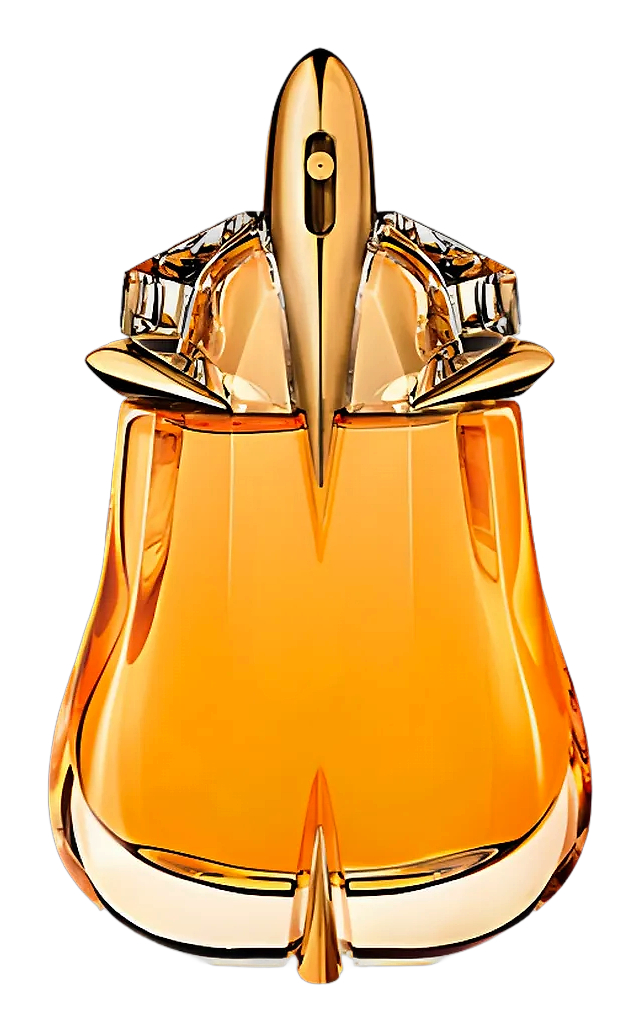
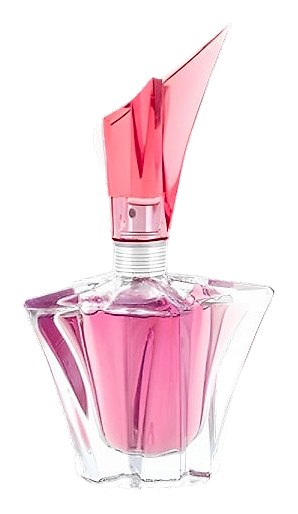
In 2006, Mugler asked Olivier Cresp to build something rare: a rose that belonged to their world. Not a soft floral floating in a sea of sameness, but a rose that carried the same audacious energy as Angel itself. Cresp had already changed perfumery forever with the original Angel in 1992, his candy-floss patchouli blockbuster that created the gourmand category. For La Rose Angel, the brief was clear: take the Angel DNA and filter it through Bulgarian rose. The result isn't rose as delicate gesture. It's rose as declaration.
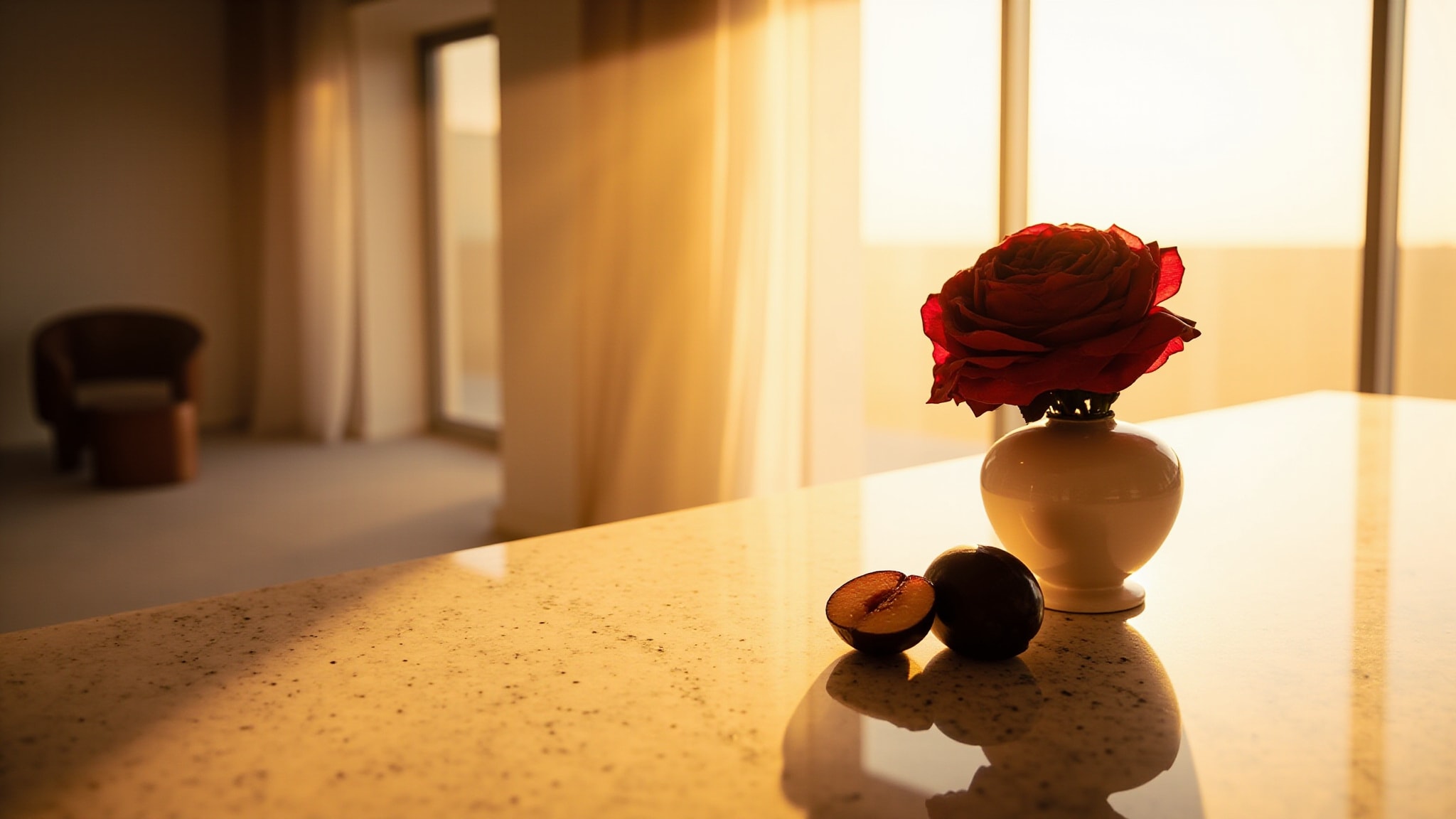
Bulgarian rose brings its full weight here, heady, jammy, with a honeyed depth that plum only amplifies. That fruity darkness in the heart doesn't lighten the composition. It thickens it. The opening tension between bergamot's citrus sharpness and the pink pepper-cumin spice is brief but deliberate, a moment of electricity before the florals and oriental base collide into something unexpected. That's the Mugler signature: ingredients that shouldn't work together, pushed until they do.
The evolution
The bergamot sparkles for maybe ten minutes before pink pepper and cumin assert themselves, that sharp, almost confrontational spice that defines the opening. Then Bulgarian rose and plum arrive together, jammy and dark, pushing the sweetness into territory that feels almost edible. The rose isn't delicate here. It's bold and present, doing battle with the plum's fruity depth. Hours in, the chocolate, patchouli, caramel, and vanilla take over completely. Sweet, warm, woody, the drydown settles close to the skin but lingers for hours on most. The synthetic-natural blend that Mugler calls its own gives the whole arc an edge that feels almost constructed, like watching something assemble itself in real time.
Cultural impact
The Angel flankers occupy a specific space in fragrance culture, they're for people who already love Angel and want variations, or for newcomers brave enough to start at the deep end. La Rose Angel sits at the sweeter, warmer end of that spectrum. Compared to the original, it's less aggressive, more rounded, with rose and plum softening the patchouli edge. Community reviews consistently call it a 'rose patchouli bomb', patchouli-forward but warmer than expected, with Bulgarian rose doing the heavy lifting rather than sitting quietly in the background. It's discontinued now, which has only sharpened its cult appeal.