The Story
Why it exists.
The beginning
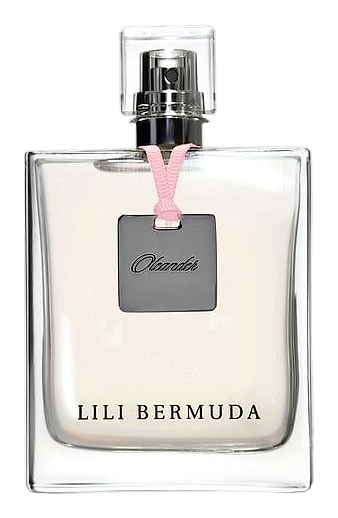
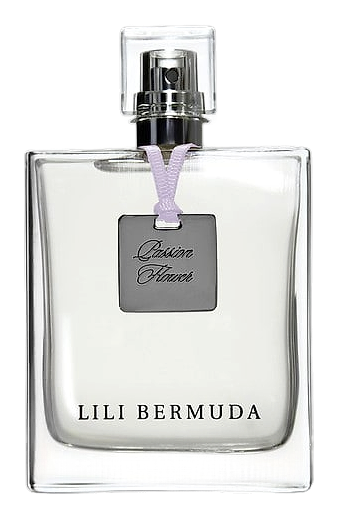
Madeline Scott designed Passion Flower in 1936 for Lili Bermuda, the small island perfumery her father William Blackburn Smith had established eight years earlier. The brief was simple: translate the thick, humid air of a Bermuda garden into something a person could carry. Passion flower itself is a tropical bloom, vivid, almost aggressive in its beauty, and Scott used it as a conceptual anchor rather than a literal note. The result is a fragrance that smells like standing inside a flowering trellis at midday, humid and sweet and inescapable. Bermuda's climate shaped every choice. Where European perfumers of the same era were reaching for aldehydes and abstract florals, Scott worked with what grew around her: gardenia from the island's ornamental gardens, ylang-ylang that arrived on cargo ships from the Caribbean, mimosa that blooms in late winter when the island is quiet. These materials carry water in them, not literally, but in feeling.
The yellow florals are the structural spine here, and they're unusual in how they behave. Gardenia and mimosa share a quality: both are creamy, almost lactonic, and both tend to read as louder than they are because of their waxy, heady character. Violet adds a powdery counterpoint, the dry-leaf finish that prevents the heart from becoming opaque. Ylang-ylang bridges the gap, tropical enough to connect to the nectarine opening but also slightly medicinal in a way that keeps the composition grounded. The tropical fruit accord in the heart is doing more work than it first appears. In 1936, 'tropical fruit' was not the expected move in a feminine cologne.
The evolution
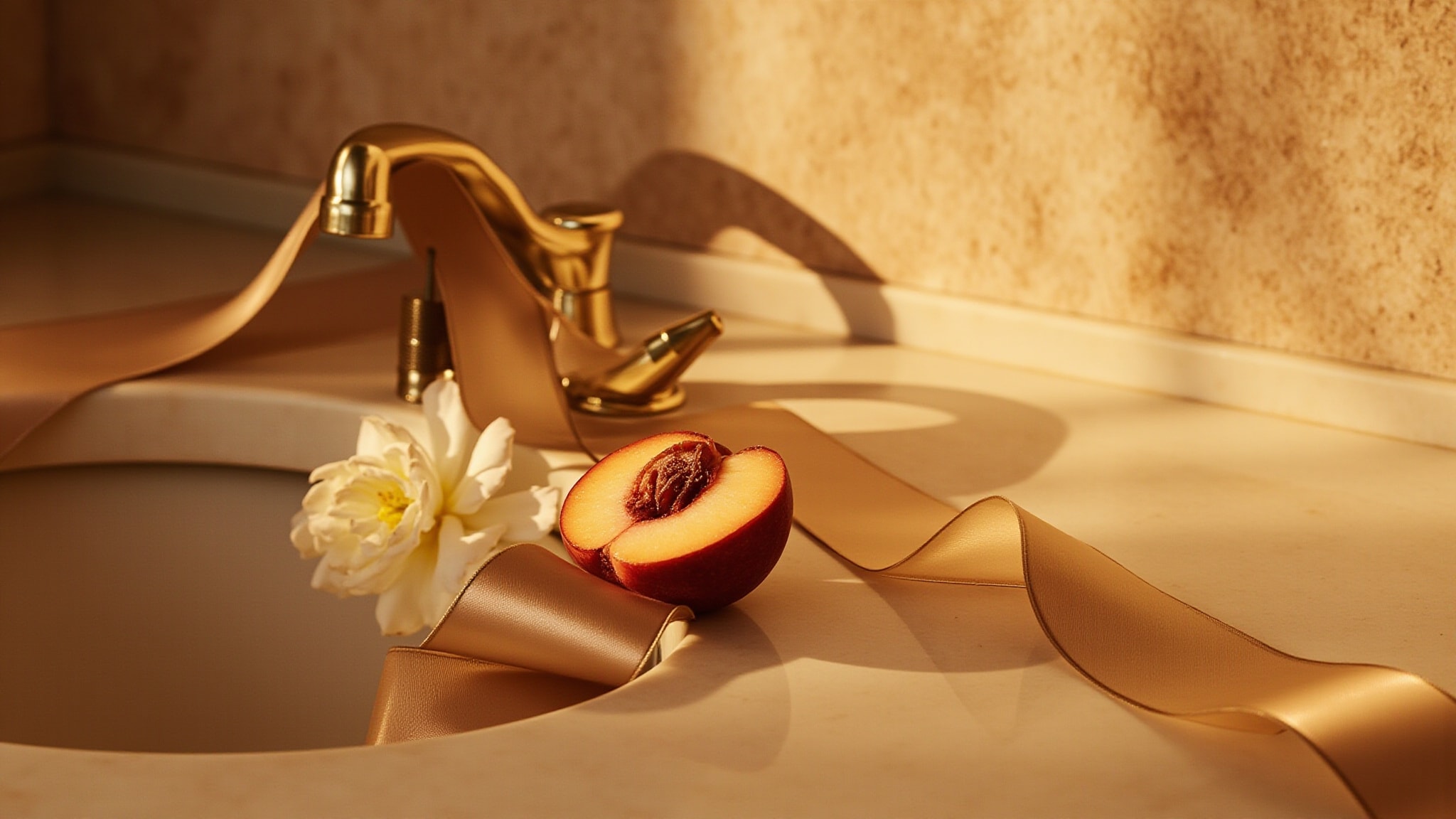
Nectarine and peach open with a fleshy sweetness that feels almost ripe enough to eat. There's no sharp citrus here, no bergamot, no lemon, just the soft, warm quality of stone fruit in late summer. The effect is inviting rather than arresting. Within five minutes, gardenia begins to push through, waxy and loud, taking the lead before the peach has fully announced itself. The handoff between opening and heart happens quickly. The tropical fruit accord appears for perhaps fifteen minutes in the middle, a fleeting sweetness that sits between the gardenia and the mimosa, lifting both without being identifiable as any single note. Mimosa arrives last of the florals, adding a honeyed, slightly powdery yellow quality that smooths everything together. The drydown is where Passion Flower earns its age. Sandalwood, musk, and vanilla compress into a powdery warmth that lasts four to six hours on most skin, closer to the body than the air. It doesn't project, it whispers. On fabric, it lingers overnight.
Cultural impact
Passion Flower arrived in 1936, a period when feminine perfumery was shifting from single-flower compositions toward more complex accords. Lili Bermuda's approach, sourcing from the island's garden and sea rather than the European tradition, positioned the house as an outlier. The cologne concentration was standard for its era, reflecting a preference for intimacy over projection. What makes Passion Flower notable in retrospect is its early adoption of tropical florals (gardenia, mimosa, ylang-ylang) in a composition that predates the 1980s tropicalia trend by half a century. It's a quiet precursor, a scent that did its own thing without waiting for permission from fashion.