The Story
Why it exists.
The beginning
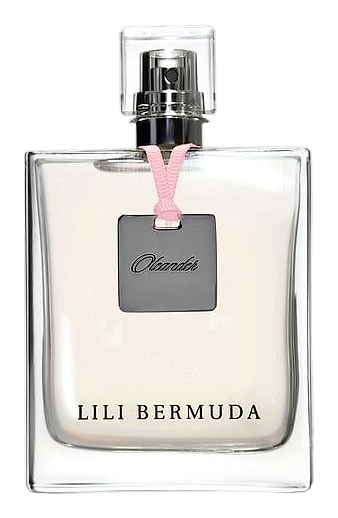
Oleander was composed in 1936 by Lili Bermuda's perfumer Madeline Scott, whose vision for the house centered on translating Bermuda's flora into wearable form. The oleander flower grows wild across the island's coastline, its clusters of pink and white blooms defining the landscape in ways both vivid and quiet. Scott built the fragrance around this native specimen, treating it as more than a decorative reference. The resulting scent moved through the island's perfumery tradition at Stewart Hall, joining a small catalog that captured specific corners of Bermuda rather than generic beauty.
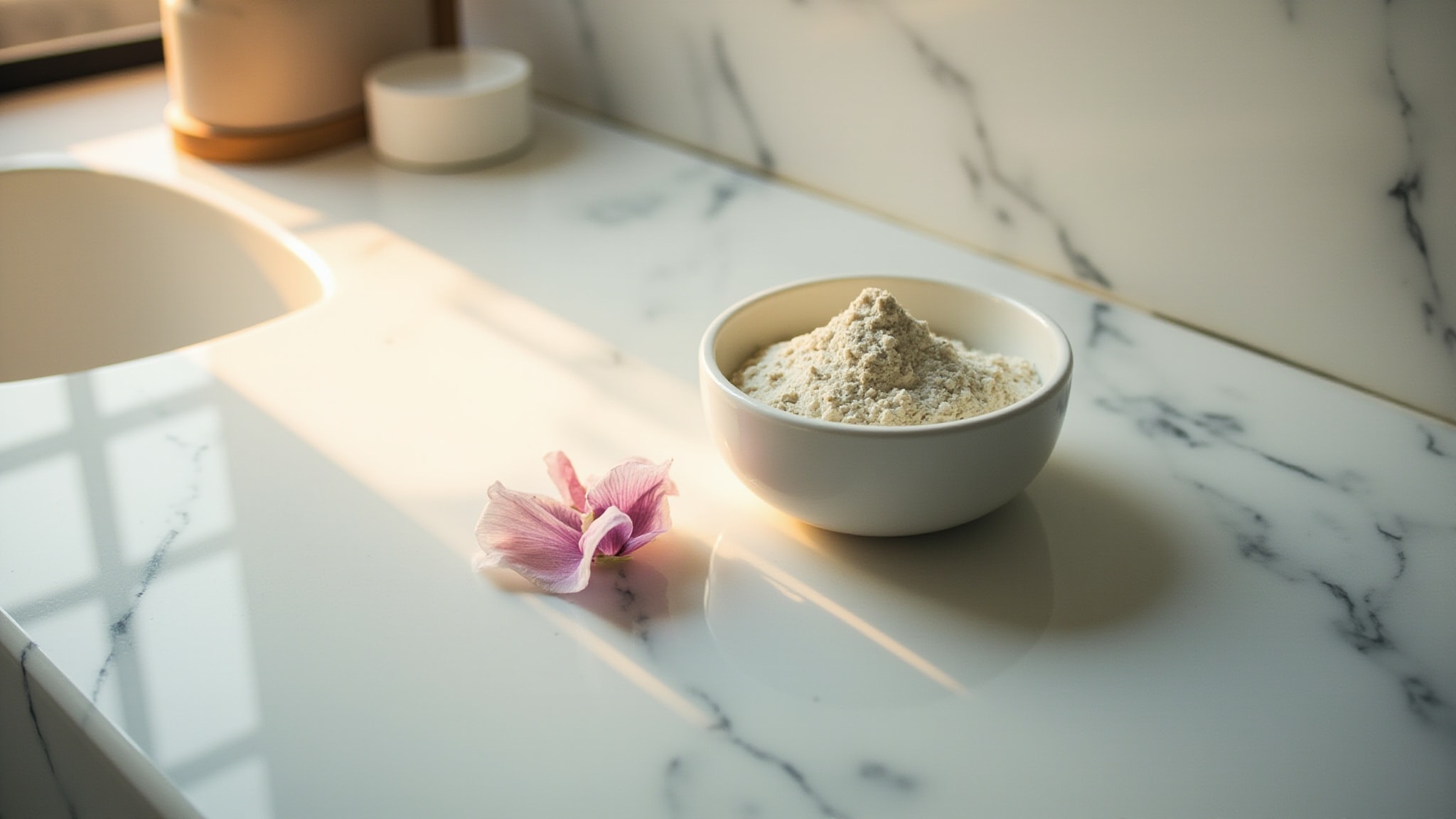
What distinguishes Oleander is the interplay between powdery iris and white florals at its heart. Rather than presenting oleander as a loud tropical blossom, the composition cools it down with orris root, letting the floral present itself with restraint. White musk anchors the structure without heaviness, and a whisper of vanilla in the base keeps the composition from reading austere. The result is a floral chypre architecture that has aged without feeling dated, a balance many houses still struggle to achieve.
The evolution
Oleander opens on orange that feels plucked rather than synthetic, bright and clean for roughly twenty minutes before the florals take over. The handoff matters here: the transition from citrus to powdery iris is where this fragrance earns its legacy. No gap. No awkwardness. Just a smooth shift into cool white petals that feel both fresh and nostalgic, like finding a pressed flower in a book you forgot you owned. The drydown settles into white musk and amber, intimate and close, staying on skin for most of a workday and longer on fabric. On the second day, it reads softer, rounder, with the vanilla finally surfacing beneath the musk. What arrives at the end is not a ghost of the opening but a quieter echo of the heart.
Cultural impact
Oleander has quietly endured since 1936, sitting well outside the cycles of seasonal trend and niche hype that define modern fragrance discourse. It speaks to a different kind of collector, someone who finds depth in understatement and has no need to announce their taste. The fragrance's powdery, iris-forward character places it in conversation with a lineage of classic florals that predate the loudness of contemporary perfumery.