    Brand Profile

    Lili Bermuda is a family‑run perfume house rooted in the island’s maritime history. Since its 1928 launch by William Blackburn Smith and his…More

    Bermuda·Est. 1928·Site

    2

    Fragrances

    4.5

    Rating

    24
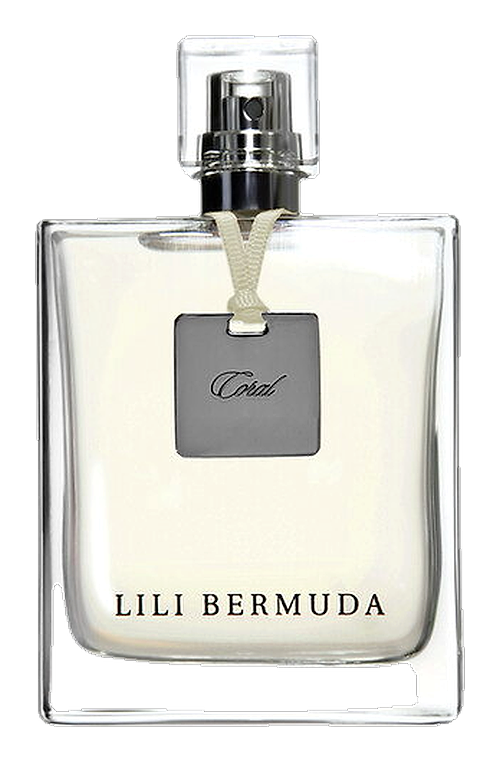
    Coral by Lili Bermuda
    Best Seller
    4.7

    Coral

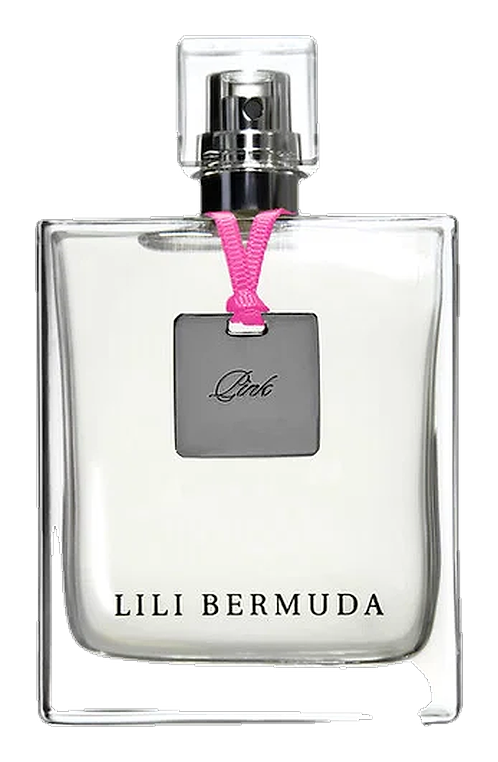
    Pink by Lili Bermuda – Eau de Toilette
    Best Seller
    4.3

    Pink

    Eau de Toilette

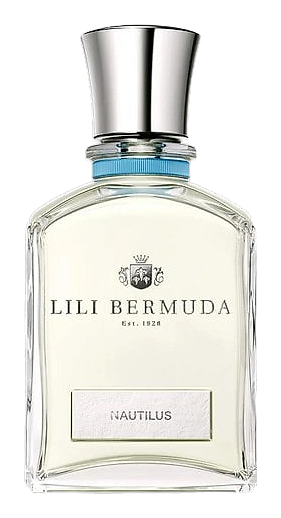
    Nautilus by Lili Bermuda
    Best Seller
    4.5

    Nautilus

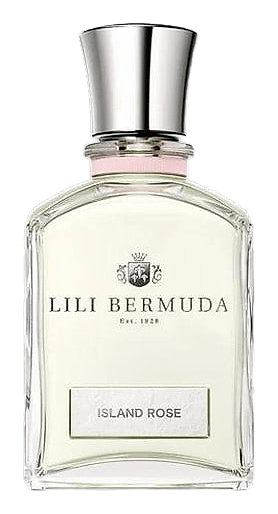
    Island Rose by Lili Bermuda
    4.3

    Island Rose

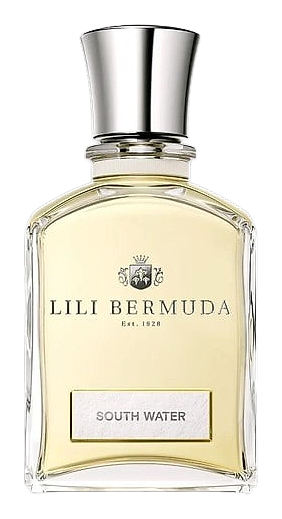
    South Water by Lili Bermuda
    4.3

    South Water

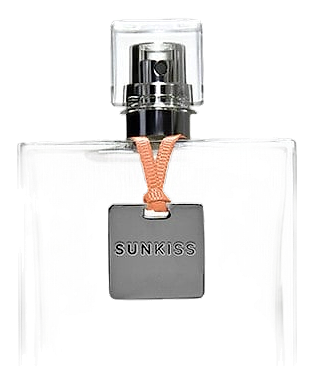
    SunKiss by Lili Bermuda
    4.3

    SunKiss

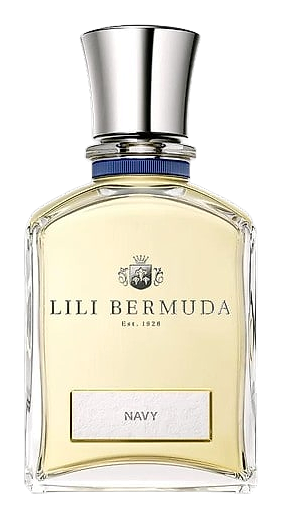
    Navy by Lili Bermuda
    4.3

    Navy

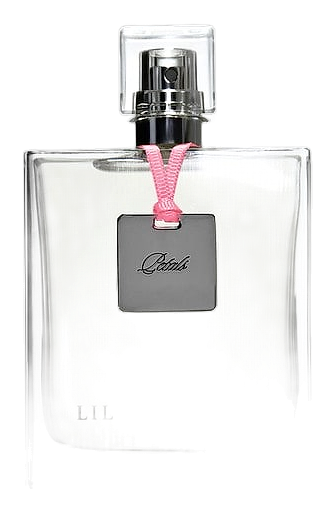
    Petals by Lili Bermuda
    4.3

    Petals

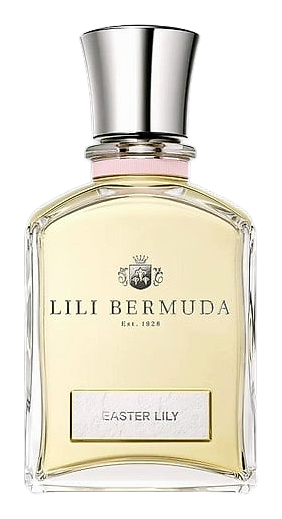
    Easter Lily by Lili Bermuda
    4.3

    Easter Lily

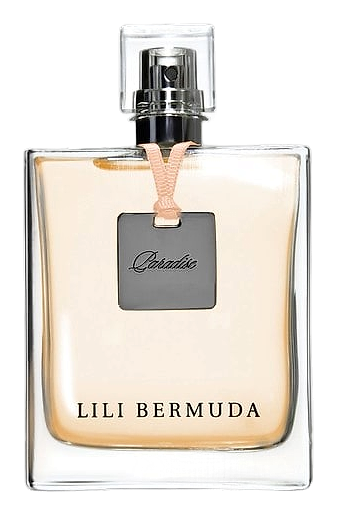
    Paradise by Lili Bermuda
    4.2

    Paradise

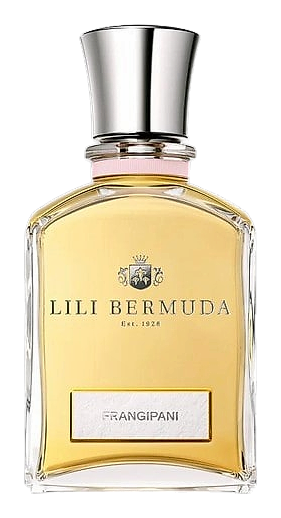
    Frangipani by Lili Bermuda
    4.2

    Frangipani

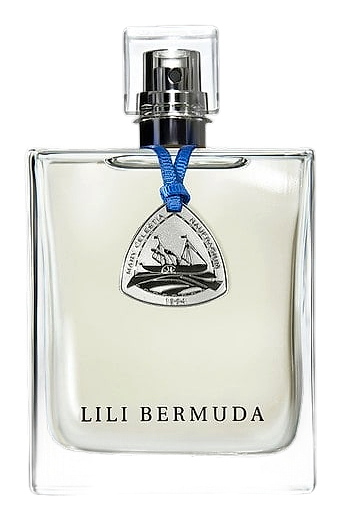
    Mary Celestia by Lili Bermuda
    4.2

    Mary Celestia

    1 of 2

    The Heritage

    The Story of Lili Bermuda

    Lili Bermuda is a family‑run perfume house rooted in the island’s maritime history. Since its 1928 launch by William Blackburn Smith and his daughter Madeline, the brand has turned Bermuda’s wind, sea spray and native flora into a line of scents that travel from the laboratory at historic Stewart Hall to the world’s boutique fragrance shelves. Each bottle tells a short story of the archipelago, whether it captures the bright coral reefs of 2006’s Coral or the sun‑kissed dunes of the 2017 SunKiss. The house balances a century‑old legacy with a modern, island‑first approach, making it a quiet but steady presence in niche perfumery.

    Heritage

    The origins of Lili Bermuda trace back to 1928, when William Blackburn Smith, a chemist with a love for the sea, opened a small perfumery in Hamilton with his daughter Madeline Smith. Their first offering, Easter Lily, was marketed as a tribute to the island’s spring bloom and set a tone of local inspiration that still guides the house. In 1939 the Bermuda Historical Monuments Trust acquired the Bailey House, a 19th‑century building that later became the brand’s creative hub. By the 1950s the perfumery had expanded its catalogue, adding scents that referenced Bermuda’s sailing heritage and tropical gardens. The 1980s saw a revival of interest in heritage brands, prompting Lili Bermuda to release Paradise in 1989, a fragrance that blended citrus and marine notes to echo the island’s reputation as a holiday haven. The turn of the millennium brought a new generation of perfumers; in 2006 the brand introduced Coral and Navy, both of which referenced specific coastal landmarks and earned modest acclaim among collectors. In 2011 a team of divers and archaeologists recovered a sealed 19th‑century perfume bottle from the wreck of the Mary Celestia, a ship that sank off Bermuda’s south shore while en route to Charleston. The recovered scent inspired the 2014 Mary Celestia perfume, marking the first time Lili Bermuda incorporated a genuine historic formula into its modern line. The house celebrated its 90th anniversary in 2018 with a series of events at Stewart Hall, highlighting its continuous production on the island and its commitment to preserving Bermuda’s olfactory heritage. Today, under the direction of master perfumer Isabelle Ramsay‑Brackstone, Lili Bermuda continues to develop new fragrances such as Nautilus (2019) while maintaining the hand‑crafted processes established a century ago.

    Craftsmanship

    All Lili Bermuda fragrances are formulated on‑island at Stewart Hall, a restored 19th‑century manor that houses a small laboratory and a library of historic scent records. The process begins with field research: perfumers collect samples of native plants, seaweed and mineral-rich sand, documenting their aromatic profiles. Isabelle Ramsay‑Brackstone then works with a team of chemists to translate these raw materials into stable perfume accords, often blending natural extracts with synthetics that replicate the fleeting nuances of sea breeze. The brand maintains a hand‑blending tradition; each batch is mixed in small copper vats, allowing the perfumer to adjust the balance in real time. Quality control includes a three‑stage aging period where the perfume rests in dark glass containers for several weeks, mirroring classic European practices while preserving the freshness of tropical ingredients. The final product is filtered through fine muslin and decanted into hand‑crafted bottles that are sealed with corks sourced from sustainable cork oak farms. Lili Bermuda also adheres to strict sourcing standards: botanical extracts are harvested from certified organic farms on the island, and marine ingredients are obtained under permits that limit ecological impact. The brand’s commitment to transparency is evident in its detailed ingredient disclosures, which list each component and its origin, allowing consumers to trace the scent back to its source. This meticulous, island‑centric workflow distinguishes Lili Bermuda from mass‑produced fragrances and reinforces its reputation for consistency and authenticity.

    Design Language

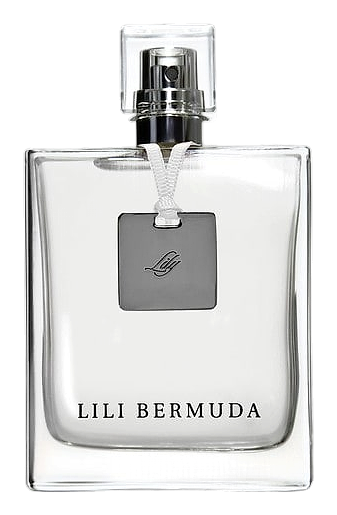
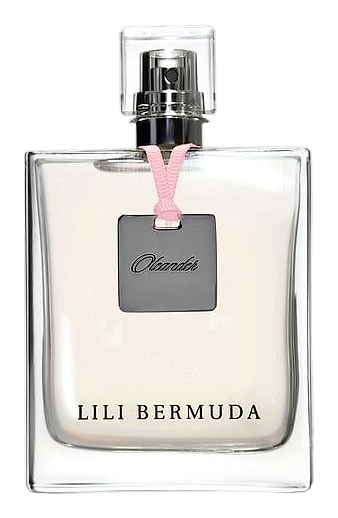
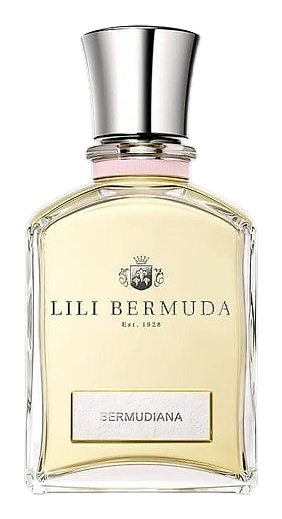
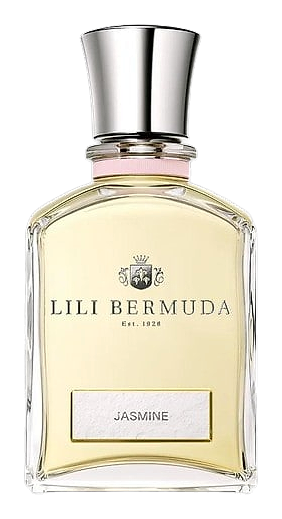
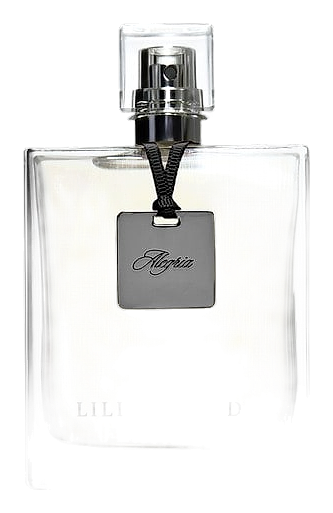
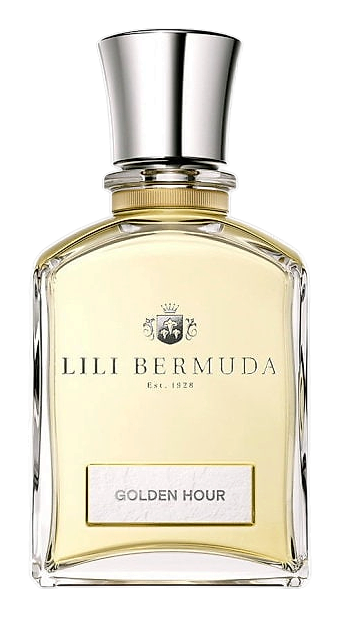
    The visual language of Lili Bermuda mirrors the island’s clean lines and maritime heritage. Bottles typically feature clear glass that showcases the pale amber or soft teal hues of the perfume, evoking the clarity of Caribbean waters. Labels are printed on recycled parchment with simple serif typography, often accompanied by a small illustration of a local landmark—a lighthouse, a coral branch, or a sailboat—rendered in muted ink. The brand’s colour palette draws from sand, sky and sea, using soft blues, warm beiges and occasional coral accents. Packaging boxes are crafted from sturdy, uncoated cardboard and sealed with a wax stamp bearing the Lili Bermuda monogram, a stylised wave that references the brand’s nautical roots. In retail settings, the fragrances are displayed on reclaimed wood tables within the historic Stewart Hall, allowing the scent to mingle with the building’s original stone walls and ironwork. This restrained, nature‑inspired aesthetic reinforces the house’s commitment to place‑based storytelling and positions the brand as an understated yet elegant presence in the niche perfume market.

    Philosophy

    Lili Bermuda frames scent as a direct translation of place. The brand’s statements describe each perfume as an artistic reflection of the island’s natural beauty, from the pure wind over the cliffs to the salty tang of the Atlantic. This philosophy emerged from the founders’ belief that a fragrance should evoke a memory of a specific landscape rather than a generic mood. The house therefore sources inspiration from Bermuda’s geography, history and cultural rituals, translating them into olfactory narratives that are both personal and communal. Isabelle Ramsay‑Brackstone, who leads the creative team, emphasizes a disciplined approach: she studies local flora, maritime weather patterns and historic records before formulating a scent, ensuring that each note has a tangible link to the island. Sustainability also features in the brand’s values; the perfumery prioritises locally sourced ingredients when possible and supports marine conservation projects that protect the very environments that inspire its creations. By anchoring its vision in place, Lili Bermuda aims to offer wearers a portable piece of Bermuda, a scent that can transport a moment of island life to any corner of the world.

    Key Milestones

    1928

    William Blackburn Smith and his daughter Madeline Smith founded Lili Bermuda and launched the first fragrance, Easter Lily.

    1939

    The Bermuda Historical Monuments Trust purchased the Bailey House, later becoming the brand’s creative headquarters.

    1989

    Release of Paradise, a scent that combined citrus and marine notes to celebrate Bermuda’s holiday reputation.

    2006

    Introduction of Coral and Navy, two fragrances that reference specific coastal landmarks.

    2011

    Divers and archaeologists recovered a sealed 19th‑century perfume bottle from the wreck of the Mary Celestia.

    2014

    Launch of Mary Celestia, the first modern perfume built from a historic shipwreck scent.

    At a Glance

    Brand profile snapshot

    Origin

    Bermuda

    Founded

    1928

    Heritage

    98

    Years active

    Collection

    2

    Fragrances released

    Avg Rating

    4.5

    Community sentiment

    Release Rhythm

    2019
    1
    2017
    1
    2014
    1
    2013
    1
    2011
    1
    2010
    1
    2009
    3
    2007
    3
    lilibermuda.com

    Did You Know?

    Interesting Facts

    Distinctive details and defining moments that shape the house personality.

    01

    A 19th‑century perfume bottle recovered from the Mary Celestia shipwreck was used as the basis for a modern fragrance released in 2014.

    02

    Lili Bermuda’s laboratory operates inside Stewart Hall, a historic 19th‑century manor that also serves as a public exhibition space.

    03

    The brand celebrated 90 years of continuous operation in 2018, making it one of Bermuda’s longest‑running independent perfumeries.

    04

    All fragrances are hand‑blended in small copper vats on the island, a practice that dates back to the house’s founding era.