
The Story
Why it exists.
The beginning
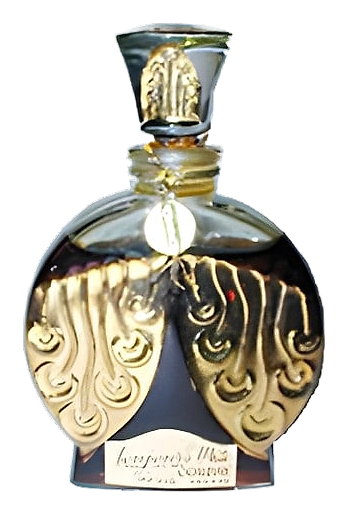
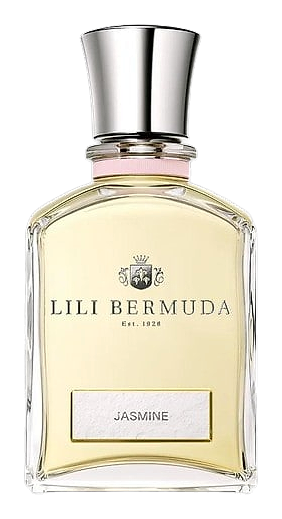
Jasmine arrived in 1934, a composition from Lili Bermuda that introduced something more tropical and heady into the house's catalog. It was composed by Madeline Scott, who is named in the brand's own materials as the nose behind the fragrance. The scent was crafted to celebrate Bermuda's island character, drawing on what the brand describes as the luxurious lifestyle of Bermuda, the classic elegance of Front Street, and the breeze of turquoise waters. That framing places Jasmine firmly in the white floral tradition, with jasmine, ylang-ylang, tuberose, neroli, hyacinth, tangerine, sandalwood, and amber doing the work.
What's interesting here is the restraint inside the abundance. Three top florals, one citrus accent, one green spine, and a two-note base of sandalwood and amber hold the structure together. The tangerine and neroli do the brightening work in the upper register while hyacinth supplies a green, almost watery edge that keeps the jasmine and tuberose from collapsing into sweetness. Ylang-ylang adds the tropical creaminess, rounding the bouquet into something lush without becoming heavy.
The evolution
The opening is the showiest minute, tangerine bright and neroli slightly bitter, hyacinth pushing a green stem note that makes the citrus feel cut-fresh rather than manufactured. The white florals arrive in due course and take over the composition. Jasmine leads, indolic and full, but tuberose sits right beside it, adding a creamy, almost banana-like richness, and ylang-ylang rounds the edges into something that reads tropical and suntan-oily in the best possible way. The neroli lingers like a thread through the heart, preventing total surrender to the florals. As the fragrance wears on, the base begins its quiet work. Sandalwood arrives warm and woody, not dry or papery, and amber settles underneath like sun-heated resin. The florals don't vanish, they just hand off their brightness to the base.
Cultural impact
Jasmine sits comfortably among the Lili Bermuda compositions that carry the strongest island character, part of a catalog that reads as a scented archive of place. The fragrance has earned a reputation among those who value provenance and place-based storytelling, the kind of wearer who appreciates a scent that wears its geography openly. Its 1934 debut gives it longevity in the line, and that history speaks to a collector sensibility where heritage carries weight.