The Story
Why it exists.
The beginning
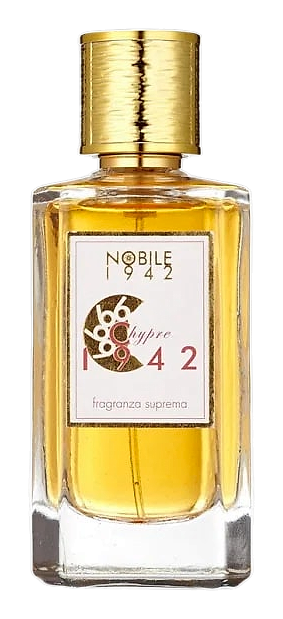
Chypre 1942 arrived in 2011 from Marie Duchêne's hand. The name telegraphs its intent clearly enough. Chypre 1942 is an homage to the genre's golden-age structure, built on a bergamot-oakmoss-patchouli triangle that has anchored women's fragrance composition since the early 20th century. The construction respects what came before rather than reaching for novelty. Bergamot opens with a clean, almost bitter brightness; oakmoss arrives as a damp, forest-floor depth; patchouli grounds everything with its earthy, slightly bitter warmth. Those three notes form the skeleton, and the rest of the composition hangs on that frame with surprising confidence. The result reads less like a reinvention and more like a continuation, a composition that knows exactly what kind of fragrance it wants to be.
What separates this from a textbook chypre is the floral depth at its center. Tuberose and jasmine don't just decorate the composition; they take up residence. The tuberose lands dense and almost waxy, with that creamy, slightly carnal sweetness that only good tuberose can deliver. Jasmine threads through with a green-edged brightness that keeps the florals from collapsing into pure sweetness. Benzoin adds a resinous warmth, a golden thread that binds the florals to the chypre base below. Mysore sandalwood in the base signals an attention to material that shapes the entire wear.
The evolution
The opening thirty minutes are bright and almost effervescent: bergamot and mandarin orange sparkle over orange blossom, giving the composition a lifted, optimistic quality. The citrus has a clean snap, almost sparkling on skin, while the orange blossom underneath adds a creamy, almost edible sweetness that softens the sharper edges. Then the florals arrive, and they arrive with weight. Tuberose comes in creamy and almost carnal, jasmine adds a green-edged sweetness, and Damask rose softens the edges with its soft, dewy warmth. Benzoin glues them together with a warm, resinous thread that feels golden rather than heavy. As the composition settles, the base materials begin their slow takeover. Mysore sandalwood is the first to surface, lending a creamy, woody density that fills out the drydown.
Cultural impact
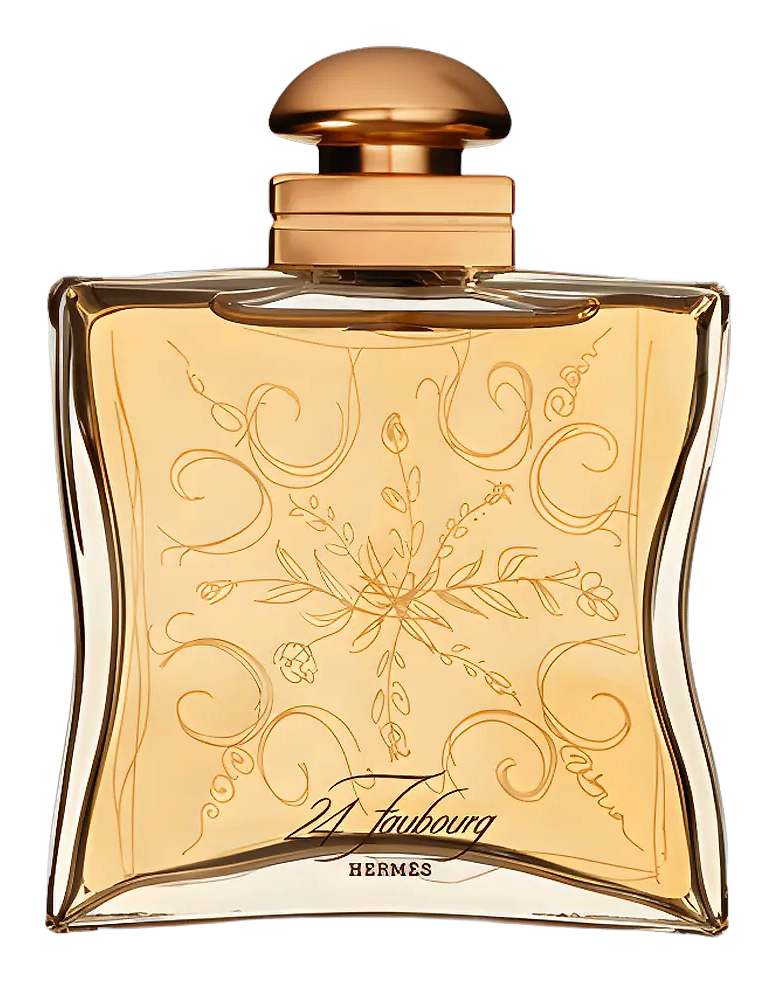
Chypre 1942 occupies recognizable ground for anyone familiar with the genre. enthusiasts's 'Smells similar' section lists Hermès 24 Faubourg among the fragrances that share territory with it, a useful reference point for understanding where this composition sits. Chypre 1942 isn't reaching for novelty or trend-chasing; it's working within an established structure and executing it with clear intent. For wearers who already know what a classical chypre should smell like, this composition offers something immediately recognizable. It knows what it is, and it doesn't apologize for that confidence.