The Story
Why it exists.
The beginning
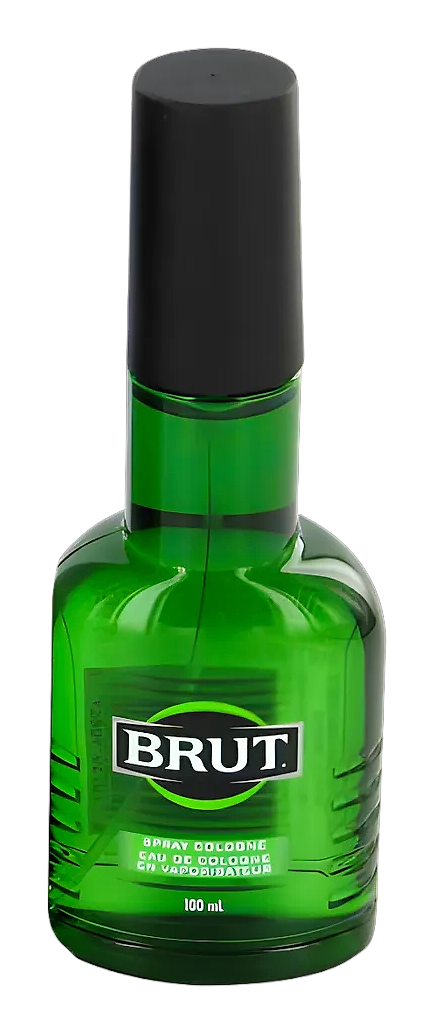
Karl Mann built Brut for Fabergé in 1968 with one clear idea: a fougère with enough presence to stand on its own. Star anise gave it a green, almost licorice edge that set it apart from the standard citrus-and-lavender cleanups of the era. The anise made the top phase distinctive, you either noticed it or you didn't, but once you did, you remembered it. Fabergé had built its identity around accessible fragrance. Brut fit that identity exactly: refined structure, unexpected character, American positioning.
The fougère family, lavender, geranium, oakmoss, had been the backbone of masculine fragrance since 1880. Mann didn't reinvent it. He added anise to the top, which gave Brut a green, slightly bitter note that cut through the citrus and marked the opening in a way most colognes of the period didn't bother with. The base uses tonka bean alongside oakmoss, a combination that produces a sweet-mossy-woody drydown. It's the part people recognize without being able to name it. Comfortable, familiar, slightly powdery.
The evolution
The opening arrives fast: bergamot and lemon with star anise cutting through the citrus brightness like a green blade. Twenty minutes of clean sharpness. Then the anise softens, lavender moves in, and the top phase becomes more cohesive, aromatic, soapy-clean, unmistakably masculine. The heart unlocks between twenty minutes and two hours. Geranium leads, green, slightly rose-like, always with an edge. Jasmine and ylang-yllang add floral weight without sweetness, keeping the warmth from going soft. This is the phase that gives Brut more body than most colognes in its category. The drydown belongs to oakmoss. Vetiver and patchouli provide earth and grunge. Tonka bean and vanilla round every edge into something smooth, sweet, close to the skin. The oakmoss-tonka combination is what makes Brut recognizable in the drydown, sweet, mossy, nearly powdery. Instantly familiar. Comforting.
Cultural impact
Brut arrived in 1968 as a drugstore counter fragrance, a deliberate move by Fabergé to stake out territory beyond the luxury imports. The star anise top gave it an idiosyncratic character that set it apart from the standard citrus-and-lavender cleanups of the period. Generations of men have worn this, each for a slightly different reason. Some wear it for the clean confidence it provides. Others wear it because the drydown makes sense now in a way it didn't when they were younger. The star anise at the top keeps it from being just another fougère. That's why it outlasted the decade it was made for.