    Home/Brands/Faberge

    Faberge

    Fabergé is an American fragrance house that launched in 1937 under the direction of Samuel Rubin, a Russian‑heritage entrepreneur. The brand borrowed the Fabergé name from the famed Russian jewellers to signal a blend of imperial elegance and modern accessibility. Over the decades it released a series of classic scents such as Kiku, Brut, and Irium pour Homme, each aimed at a confident, worldly audience.

    United StatesEst. 1937
    2
    Fragrances
    4.3
    Avg rating
    Shop the collection
    SignatureBrut
    Brut
    Cologne
    Community
    4.3
    Average rating
    across 2 fragrances
    Collection
    2
    Fragrances and counting
    Heritage
    1937
    Founded in United States

    Most loved

    Bestsellers from Faberge

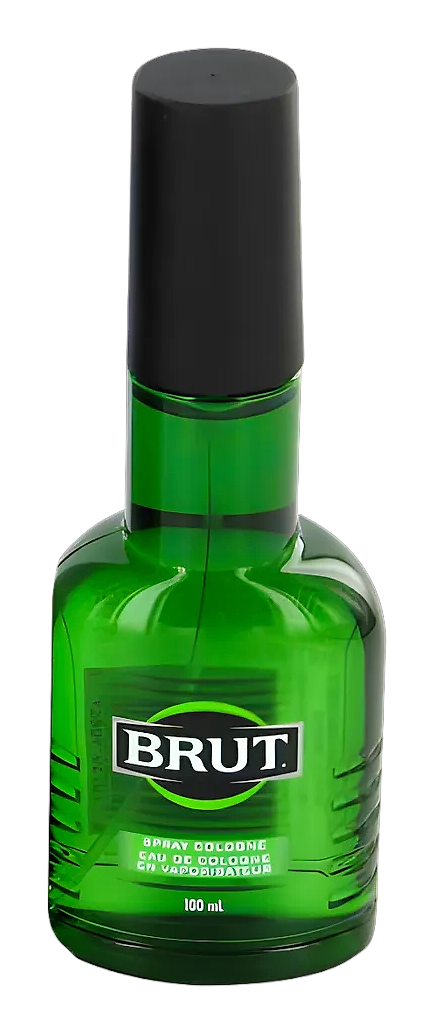
    Brut by Faberge
    Faberge
    Brut
    4.0
    Compare prices
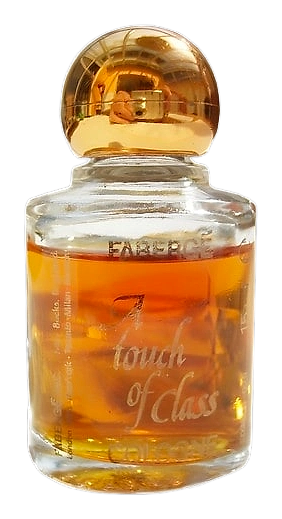
    A Touch of Class by Faberge
    Faberge
    A Touch of Class
    4.7
    Compare prices
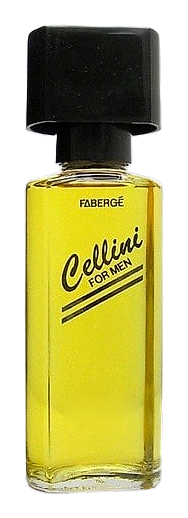
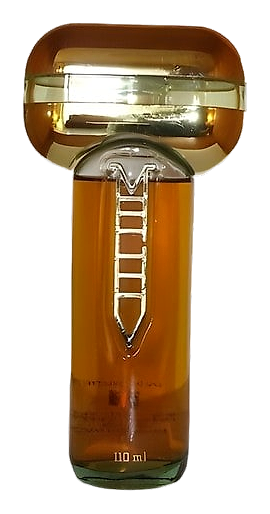
    Coming soonCellini by Faberge
    Faberge
    Cellini
    4.4
    Coming soon
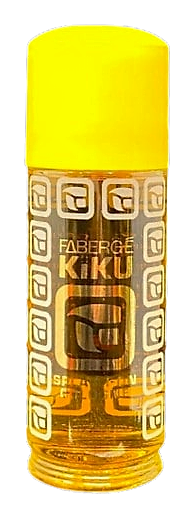
    Coming soonKiku by Faberge
    Faberge
    Kiku
    4.4
    Coming soon
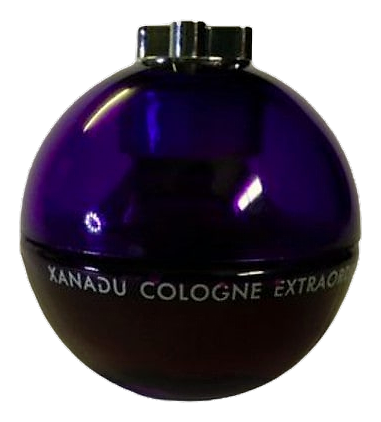
    Coming soonXanadu by Faberge
    Faberge
    Xanadu
    4.3
    Coming soon
    Coming soonMacho by Faberge
    Faberge
    Macho
    4.6
    Coming soon
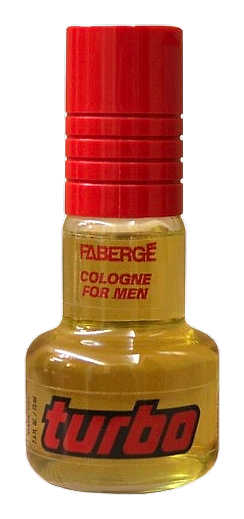
    Coming soonTurbo by Faberge
    Faberge
    Turbo
    3.5
    Coming soon
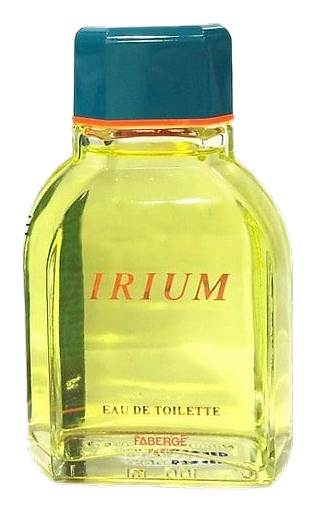
    Coming soonIrium pour Homme by Faberge
    Faberge
    Irium pour Homme
    4.7
    Coming soon
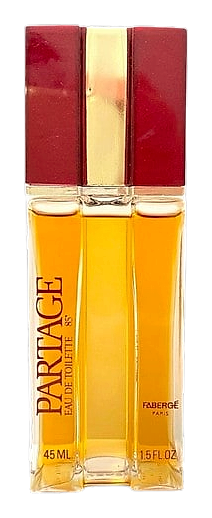
    Coming soonPartage by Faberge
    Faberge
    Partage
    4.5
    Coming soon
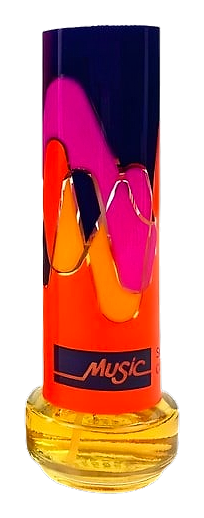
    Coming soonMusic by Faberge
    Faberge
    Music
    4.0
    Coming soon
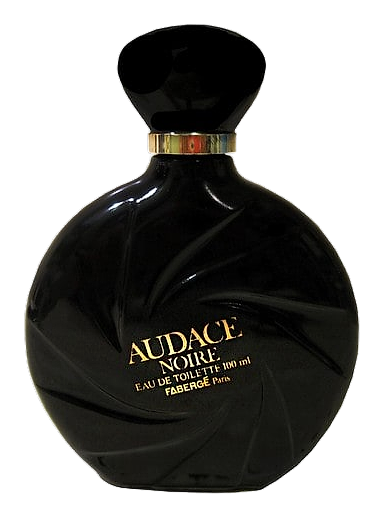
    Coming soonAudace Noire by Faberge
    Faberge
    Audace Noire
    4.6
    Coming soon
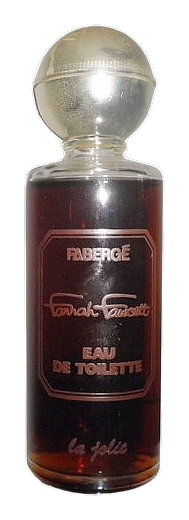
    Coming soonFarrah Fawcett La Jolie by Faberge
    Faberge
    Farrah Fawcett La Jolie
    3.8
    Coming soon

    Fresh in

    New from the house

    A Touch of Class by Faberge
    Faberge
    A Touch of Class
    4.7
    Compare prices
    Brut by Faberge
    Faberge
    Brut
    4.0
    Compare prices
    Coming soonIrium pour Homme by Faberge
    Faberge
    Irium pour Homme
    4.7
    Coming soon
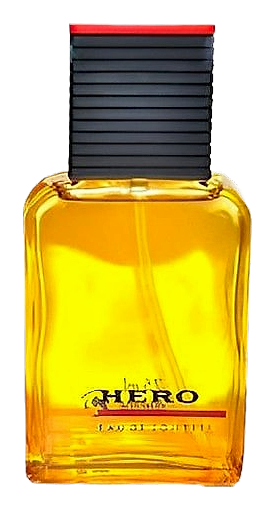
    Coming soonHero by Faberge
    Faberge
    Hero
    Coming soon
    Coming soonAudace Noire by Faberge
    Faberge
    Audace Noire
    4.6
    Coming soon
    Coming soonFarrah Fawcett La Jolie by Faberge
    Faberge
    Farrah Fawcett La Jolie
    3.8
    Coming soon
    Coming soonTurbo by Faberge
    Faberge
    Turbo
    3.5
    Coming soon
    Coming soonCellini by Faberge
    Faberge
    Cellini
    4.4
    Coming soon
    Coming soonPartage by Faberge
    Faberge
    Partage
    4.5
    Coming soon
    Coming soonMacho by Faberge
    Faberge
    Macho
    4.6
    Coming soon
    Coming soonMusic by Faberge
    Faberge
    Music
    4.0
    Coming soon
    Coming soonXanadu by Faberge
    Faberge
    Xanadu
    4.3
    Coming soon

    Heritage

    A house, in its own words

    Samuel Rubin opened the Fabergé perfume company in New York in 1937 after a conversation with his friend Dr. Armand Hammer. Rubin chose the Fabergé name because the Russian jeweller’s reputation for intricate detail resonated with his vision of refined scent. The jewellery firm, founded in 1842 by Gustav Fabergé in Saint Petersburg, had become synonymous with the jeweled Easter eggs created by Peter Carl Fabergé. By the mid‑20th century the original Fabergé house had been nationalised, but the name remained a cultural touchstone. Rubin licensed the name for his fragrance venture, positioning the brand at the intersection of heritage and contemporary American style. In the 1960s Fabergé introduced its first major perfume, Kiku, followed by a string of releases that marked each decade: Brut (1968) captured the rise of masculine grooming, Xanadu (1969) reflected the era’s fascination with exoticism, and Audace Noire (1985) answered the demand for bold, nocturnal compositions. The brand survived several ownership changes, moving through the portfolios of large consumer‑goods groups while retaining its core identity. By 1996 the line added Irium pour Homme, a scent that blended traditional woody accords with a modern aromatic edge, illustrating Fabergé’s ability to evolve without abandoning its historic reference point. Fabergé frames its creative vision as a dialogue between Russian aristocratic legacy and mid‑century American optimism. The brand states that it seeks to craft scents that feel both timeless and immediate, using familiar structures while inserting unexpected twists. It values clarity of composition, allowing each note to speak without excess. The company emphasizes respect for the original Fabergé ethos of meticulous detail, translating that principle into olfactory form. Rather than chase fleeting trends, Fabergé aims to produce fragrances that accompany life’s milestones, from a first business meeting to a quiet evening at home. The brand also highlights a commitment to responsible sourcing, preferring ingredients that meet established quality standards and that support sustainable practices where possible.

    1842
    Gustav Fabergé establishes the jewellery firm in Saint Petersburg, laying the foundation for the Fabergé name.
    1937
    Samuel Rubin founds the Fabergé perfume company in New York, licensing the historic name for fragrance.
    1967
    Launch of Kiku, the brand’s first major fragrance, marking its entry into the modern perfume market.
    1980
    Cellini debuts, showcasing Fabergé’s shift toward richer, more complex scent structures.
    1996
    Irium pour Homme releases, blending classic woody notes with contemporary aromatic accents.

    The noses

    Perfumers behind the house

    Did you know?

    Interesting facts

    01

    The Fabergé perfume brand operates under a licensing agreement that separates it from the original Russian jewellers, a detail often missed in casual references.

    02

    Brut, introduced in 1968, became one of the first mass‑market men’s fragrances to feature a gold‑capped bottle, a design choice inspired by the jeweled eggs.

    03

    Several Fabergé scents were formulated in France by contract perfumers, allowing the brand to tap into the country’s expertise while maintaining an American market focus.

    04

    The brand’s early advertising campaigns used the phrase “a scent worthy of a Fabergé egg,” linking olfactory experience directly to the visual opulence of the jewellery.