Citrus Blossom
Citrus blossom delivers a radiant floral-citrus aroma from the blossoms of the bitter orange tree. A cornerstone of perfumery since the 18th century, it bridges the gap between fresh citrus and lush floral, lending brightness and romantic depth to countless fragrances.
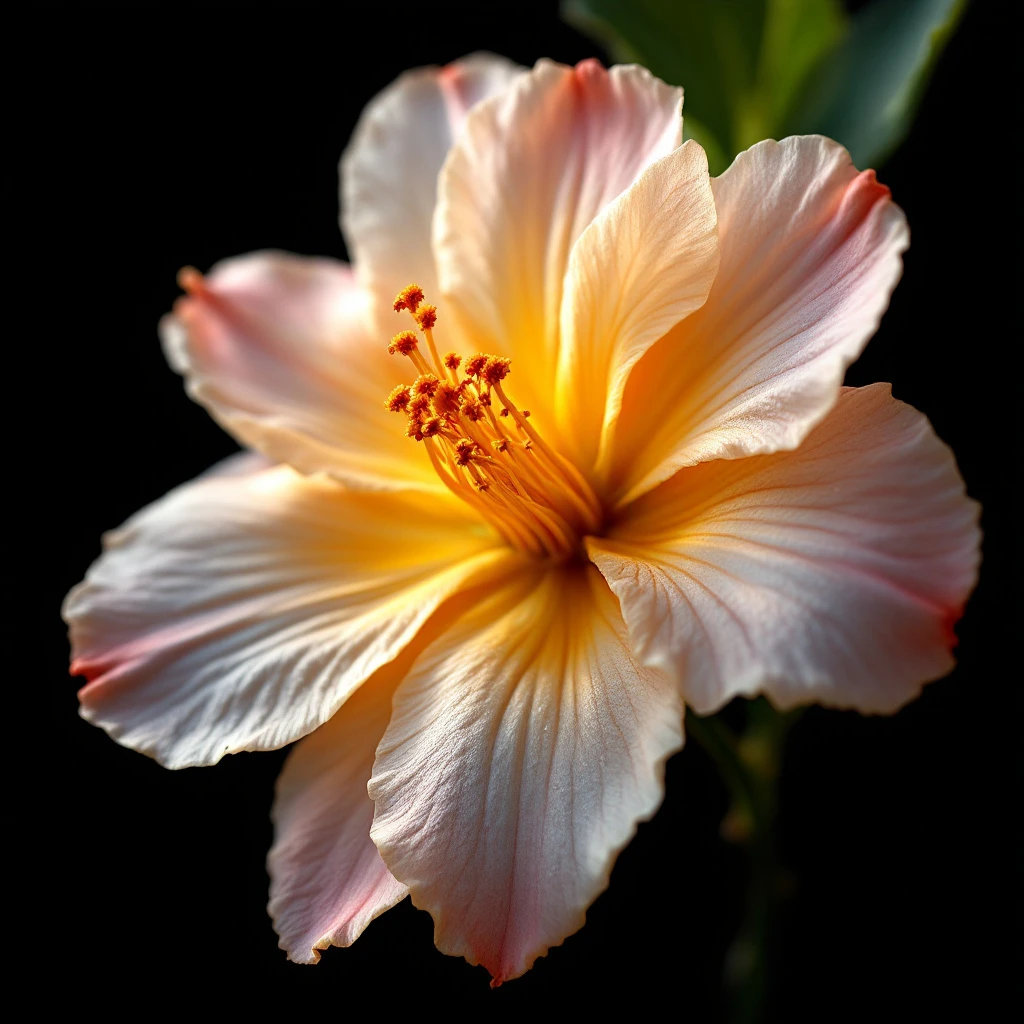
Character
How it smells
The bright floral heart of bitter orange.
Neroli oil takes its name from Princess Neroli of Italy, who popularized its use in 17th-century court perfumery.






Origin
France
The bitter orange tree has scented human civilization for millennia, but its blossoms became a perfumery staple in 17th-century Europe. Italian princess Anne-Marie de la Tremoille, known as Princess Neroli, popularized orange blossom water in French court circles during the 1680s, establishing the material's aristocratic associations. By the 18th century, neroli had become a defining ingredient in the original Eau de Cologne formulas, setting the standard for fresh, citrus-floral fragrances.
French cultivation expanded throughout the 19th century, though production gradually shifted toward Mediterranean climates better suited to consistent harvests. Today, Tunisia and Morocco rank among the primary producers, maintaining the traditions established centuries ago.
Wears it best
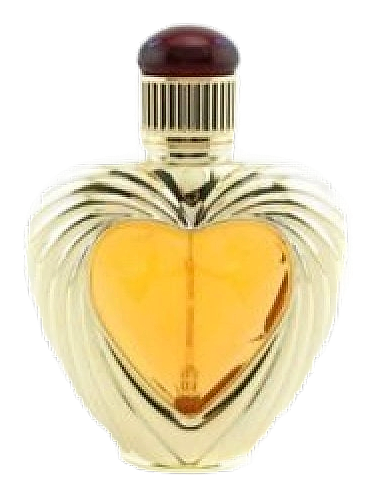
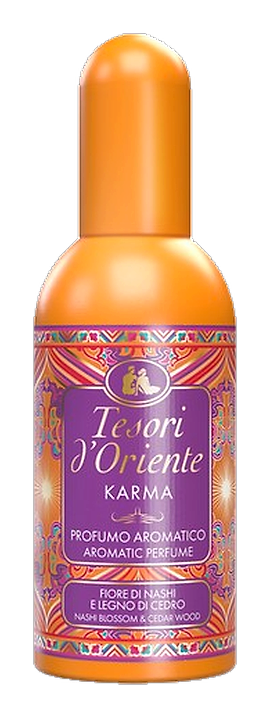
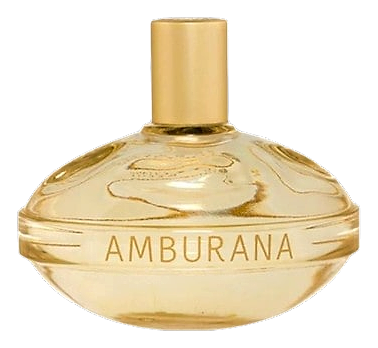
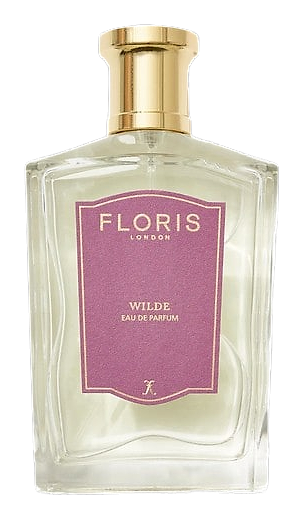
Fragrances featuring Citrus Blossom

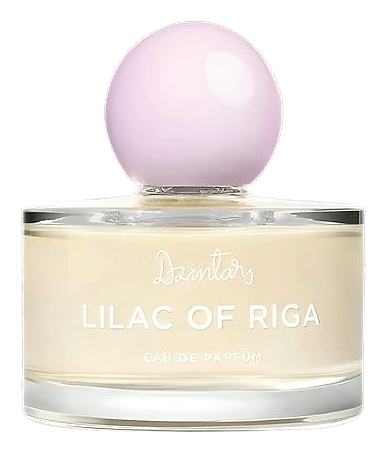
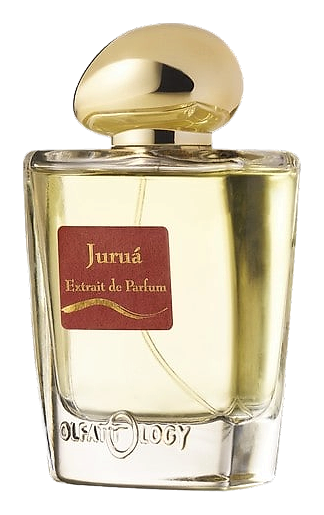
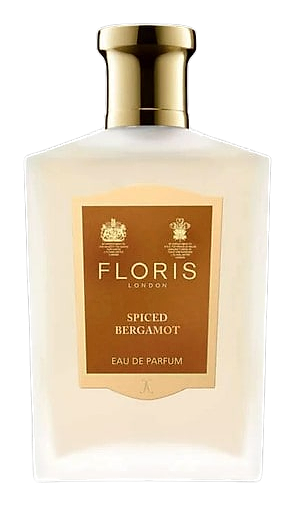
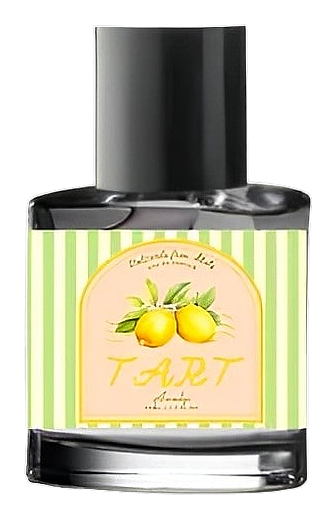
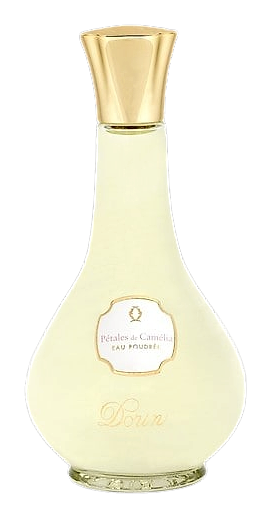
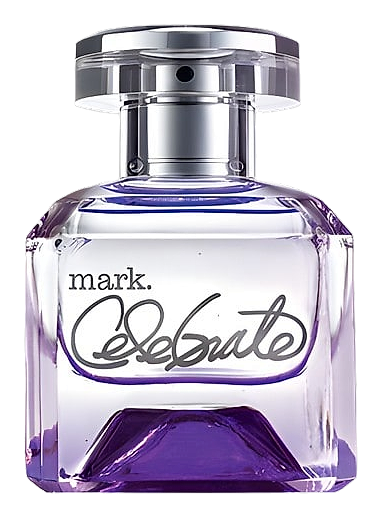
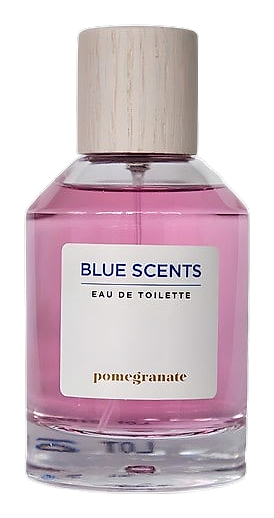
Brands
Brands known for Citrus Blossom
Good to know
Questions, answered
The essentials on Citrus Blossom in perfumery: how it smells, where it comes from, and how it behaves on skin.
What does citrus blossom smell like?
Citrus blossom offers a fresh, radiant floral scent with clear citrus undertones. It combines the brightness of bergamot with lush white floral notes, plus a subtle honeyed quality. The aroma reads as both romantic and energizing.
Which plant produces citrus blossom absolute?
The sour orange tree, Citrus aurantium, produces the blossoms used for citrus blossom absolute. The Amarna and Bouquet de Fleurs varieties yield the finest quality oil, though any bitter orange blossoms can be processed.
What is the difference between neroli and orange blossom?
Neroli and orange blossom come from the same flower but differ in extraction. Steam distillation produces neroli oil, which is lighter and more citrus-forward. Solvent extraction yields orange blossom absolute, which captures a richer, deeper floral character.
Is citrus blossom natural or synthetic?
Both natural and synthetic versions exist. Natural citrus blossom comes from bitter orange blossoms through steam distillation or solvent extraction. Synthetics like orange flower compounds replicate key odor molecules for consistency and cost efficiency.
What fragrances feature citrus blossom as a main note?
Acqua di Gio by Armani positions citrus blossom as a signature heart note, paired with marine and woody elements. Chloe Nomade uses it as a central floral component in its chypre composition. The material appears across luxury and designer fragrances.
When should perfumers use citrus blossom absolute versus neroli?
Choose neroli for fresh, top-note applications requiring bright citrus-floral character. Select orange blossom absolute when the formulation needs sillage, longevity, and richer honeyed floral depth. Both work as heart notes, but absolute handles warmer compositions better.
Why is citrus blossom important in perfumery?
Citrus blossom bridges two major fragrance families: fresh citrus and lush florals. It extends citrus brightness into the heart of a fragrance while maintaining lightness. This versatility has made it indispensable since the 18th century.
Where does quality citrus blossom material come from today?
Tunisia and Morocco currently lead production of natural citrus blossom materials. Southern France maintains historical cultivation near Grasse, though at smaller volumes. Climate and harvest timing directly influence the aromatic quality of the final material.




