The Story
Why it exists.
The beginning
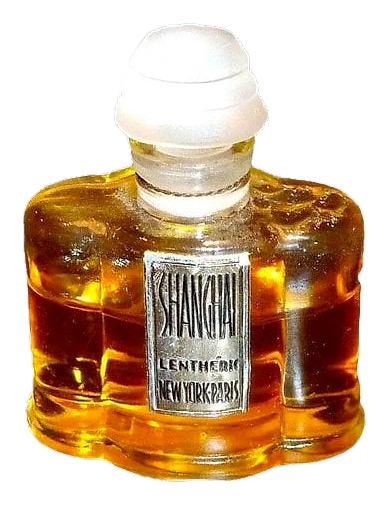
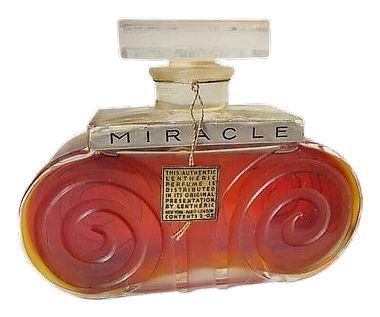
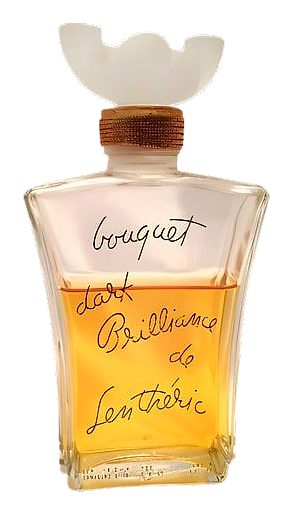
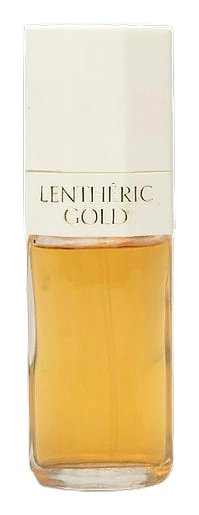
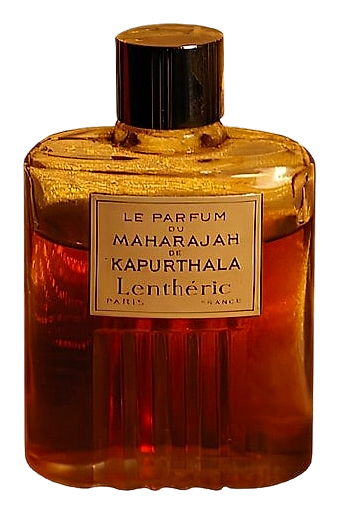
The Kapurthala name carries a weight that most fragrance titles never earn: it borrows directly from a princely title rooted in Punjab, a region long associated with refinement and imported luxury during the British colonial era. Kapurthala's ruling family was notorious in their tastes, drawn to French fashion, art deco architecture, and the finer imports Europe could offer. Lentheric, working out of its Parisian operations at the time, brought decades of established perfumery to bear on a fragrance that took its name and its spirit from that court.
What makes this composition worth noting is its anchoring to early oriental perfumery, the broad family of warm, resinous scents that built the template later houses would refine. Its oriental accord classification places it firmly within that tradition, a men's oriental built on the spiced, balsamic structures that defined the category before it fractured into dozens of sub-genres. The composition itself, detailed information about which is scarce today, survives mainly through its fragrance family classification and the historical window it occupies.
The evolution
There's no modern reformulation to parse here; the original is a closed book. What survives for evaluation is limited to its oriental accord classification and the era it belongs to. Based on what little documentation exists, the scent is understood to open with a weighted, spiced accord that signals its oriental heritage from the first moments on skin. As it develops, the composition folds inward rather than projecting outward, becoming warmer and more opaque, the resinous character growing denser as the hours pass. The progression from opening through the middle phase to the base is one of accumulation rather than revelation: each layer adds warmth and weight rather than introducing fresh top notes.
Cultural impact
Le Parfum du Maharajah de Kapurthala lives in perfumery history as a footnote rather than a landmark, a composition from a house that produced other more widely circulated works during the same period. Its appeal now is purely archival, the kind of scent that turns up in historical records and period references rather than on retail counters.