The Story
Why it exists.
The beginning
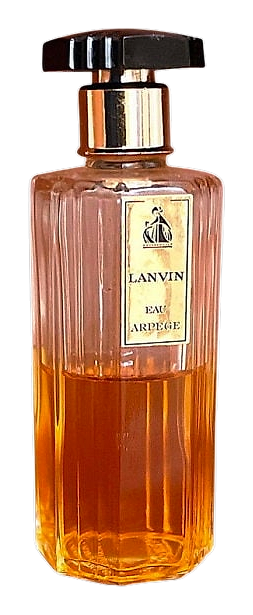
In 1927, Jeanne Lanvin introduced Arpège, a fragrance that would become one of the defining compositions of her house. The name draws on a musical idea, a term rooted in the language of melody, and the choice was deliberate: Lanvin wanted the fragrance to carry a certain resonance, a softness that felt almost tuned rather than merely blended. Perfumer André Fraysse composed the scent with a level of ambition that showed in every layer. The result was a floral aldehyde of remarkable depth, built around rose and jasmine at the center, wrapped in lilies, honeysuckle, and ylang-ylang, with a sandalwood and vetiver base that gave the whole thing weight and lasting power on the skin. Nothing in the structure feels accidental.
What makes Arpège distinctive is the way aldehydes sit underneath the florals rather than crashing the opening. Fraysse treated them differently, letting them shimmer beneath the petals, a kind of soft radiance that made the flowers seem lit from inside. The combination of peach, neroli, and bergamot in the top adds a dewy, almost edible warmth that prevents the composition from ever feeling cold or soapy. The aldehydes here don't sparkle for sparkle's sake; they glow.
The evolution
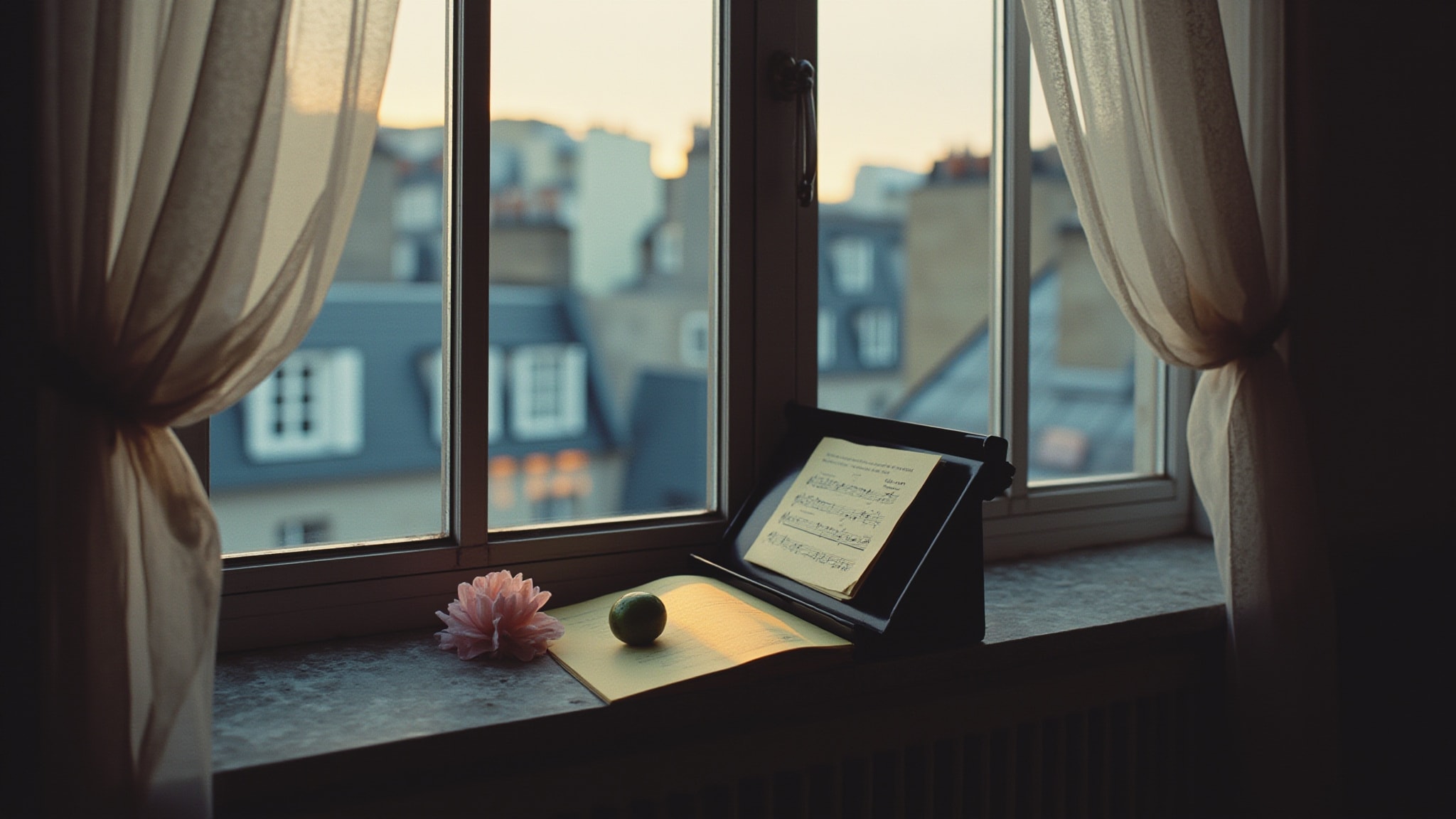
The first hour is a sparkling haze of aldehydes over peach and neroli, bright but never sharp, like sunlight through sheer curtains. Honeysuckle and lily of the valley lift the opening into something greener, fresher, almost springlike. By the second hour, the aldehydes recede and the florals settle into their true register: rose, jasmine, ylang-ylang, and iris, dense and creamy, with a powdery softness that reads more as skin than as perfume. Coriander adds a peppery warmth in the background, preventing the bouquet from collapsing into sweetness. The base arrives quietly. Sandalwood and vetiver anchor everything in a woody earthiness, while benzoin and vanilla add a soft, resinous sweetness, the kind of warmth you smell on skin the next morning. Ambergris and musk trail behind like a whispered afterthought.
Cultural impact
Arpège occupies a particular place in fragrance history as a benchmark aldehyde floral, the kind of composition that shaped how the genre would be understood for decades after its launch. It belongs to a tradition of ambitious floral perfumery where materials were treated as serious artistic materials, layered and blended with patience rather than rushed to market. The fragrance has earned a loyal following among wearers who value depth, longevity, and the kind of quiet sophistication that does not need to announce itself.