The Story
Why it exists.
The beginning
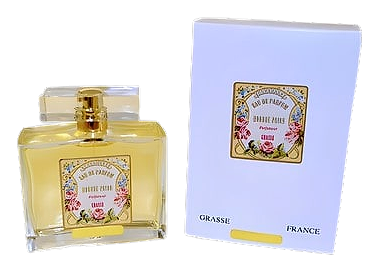
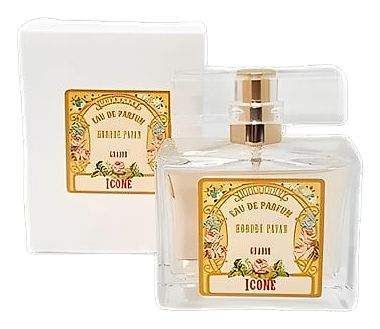
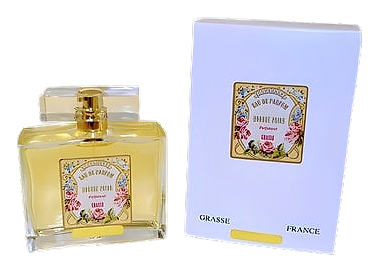
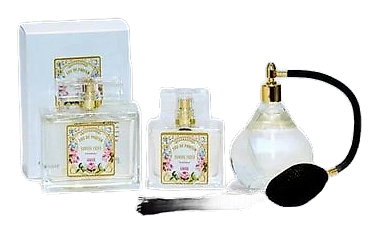
Jeunesse was created in 1993 by Honoré Payan, a fragrance house based in Grasse. A search snippet describes it as an oriental floral eau de parfum, while its listed notes give that label a softer, more floral reading. Citrus brightness enters first, bringing orange blossom, bergamot, lemon, and mandarin into focus. The composition then moves toward tuberose, ylang-ylang, jasmine, and ginger, where floral richness meets clean heat. Amber, cedarwood, cinnamon, and vanilla complete the arc. The documented facts reveal the fragrance's shape clearly, without needing a larger legend around it.
What makes Jeunesse worth a closer look is the meeting point between polished white floral and warm spice. Tuberose and ylang-ylang bring a full, creamy floral presence, while jasmine keeps the heart luminous rather than heavy. Ginger adds a clean edge, almost like warmth rising through citrus. The base pulls that brightness into vanilla and amber, with cinnamon giving the sweetness a little friction and cedarwood keeping the finish composed. Familiar materials, arranged with a slight contradiction at their center.
The evolution
The opening begins with a bright citrus lift, where bergamot, lemon, orange blossom, and mandarin make the fragrance feel immediate and polished. That brightness softens as the heart develops: tuberose, ylang-ylang, and jasmine create a fuller floral texture, while ginger introduces a clean, gently warm pulse. In the drydown, vanilla and amber make the composition rounder and more tactile. Cedarwood and cinnamon keep the base from becoming purely sweet, adding structure and a restrained flicker of spice. The listed notes trace a progression from citrus brightness to a layered floral heart and a warm, gently spiced base, leaving a floral warmth in its wake. The composition is built around familiar materials whose changing relationships give it its character.
Cultural impact
Jeunesse can be considered through the materials that define its composition. The listed notes move from citrus brightness into tuberose, ylang-ylang, jasmine, and ginger, then settle around amber, cedarwood, cinnamon, and vanilla. This gives the fragrance a floral profile with a warm-spice accent and a sweet, softly textured base. The combination places orange blossom, bergamot, lemon, mandarin, jasmine, vanilla, and amber within the same structure, offering several points of entry for exploring how the fragrance changes from its opening to its drydown.
The House
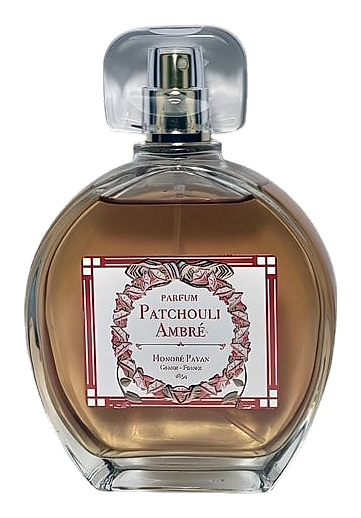
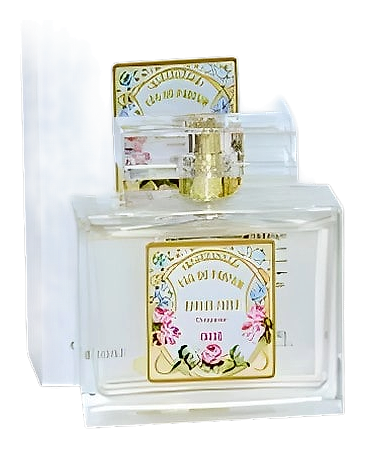
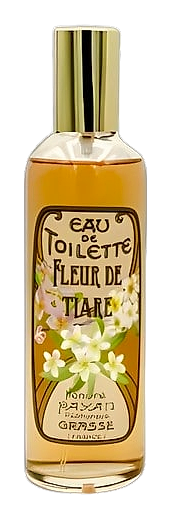
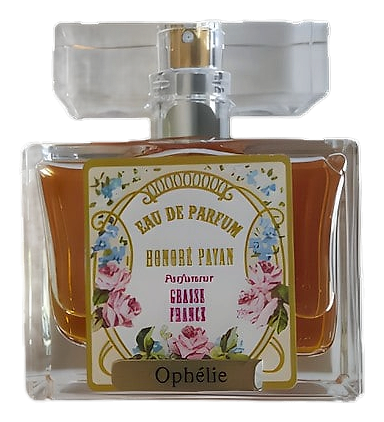
Honore PayanHonoré Payan is one of Grasse's oldest continuously operating perfume houses, founded in 1854 on the Place de la Poissonnerie in the historic center of France's perfume capital. Still family-run after more than 170 years, the house produces fragrances built around raw materials sourced from the Provençal countryside surrounding it. Its catalog spans classic eaux de toilette, oriental vanilles, patchouli-centric compositions like Patchouli 1854 and Patchouli Antique, and floral soliflores such as Jasmin, 1908. The house also operates a boutique on rue des Filatiers in Toulouse, introducing its Grasse-rooted palette to a wider French audience.
The Creator
Honoré PayanPayan favors materials with complexity and a degree of unpredictability, ingredients that shift on skin rather than sitting still. His base work tends to lean on woods with grain, iris pallida rather than orris derivatives, oakmoss extractions handled with the careful dosing t…