The Story
Why it exists.
The beginning
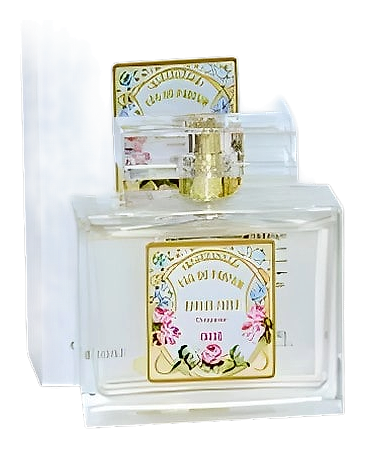
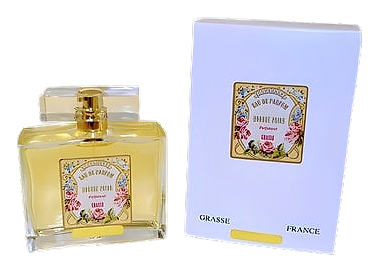
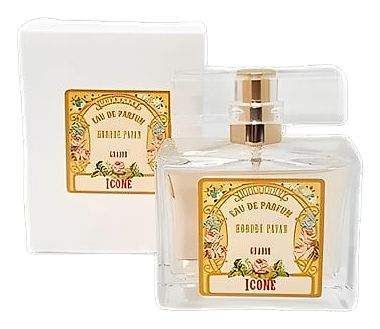
Icône is attributed to Honoré Payan, a perfumer associated with Grasse, with a source mentioning the year 1854 in connection with him. The fragrance is presented in the source material as an original creation for women, classified in one listing as Oriental-Floral and in another as sweet-floral. Its character comes through in the listed notes: pear and blackcurrant offer a fruit impression, aldehydes contribute brightness, and orange blossom, iris, and jasmine form a floral center. Vanilla, praline, tonka bean, and patchouli add a warm, sweet base. The name suggests a signature presence, while the composition itself is built around contrasts between fruit, florals, sweetness, and patchouli's earthy depth.
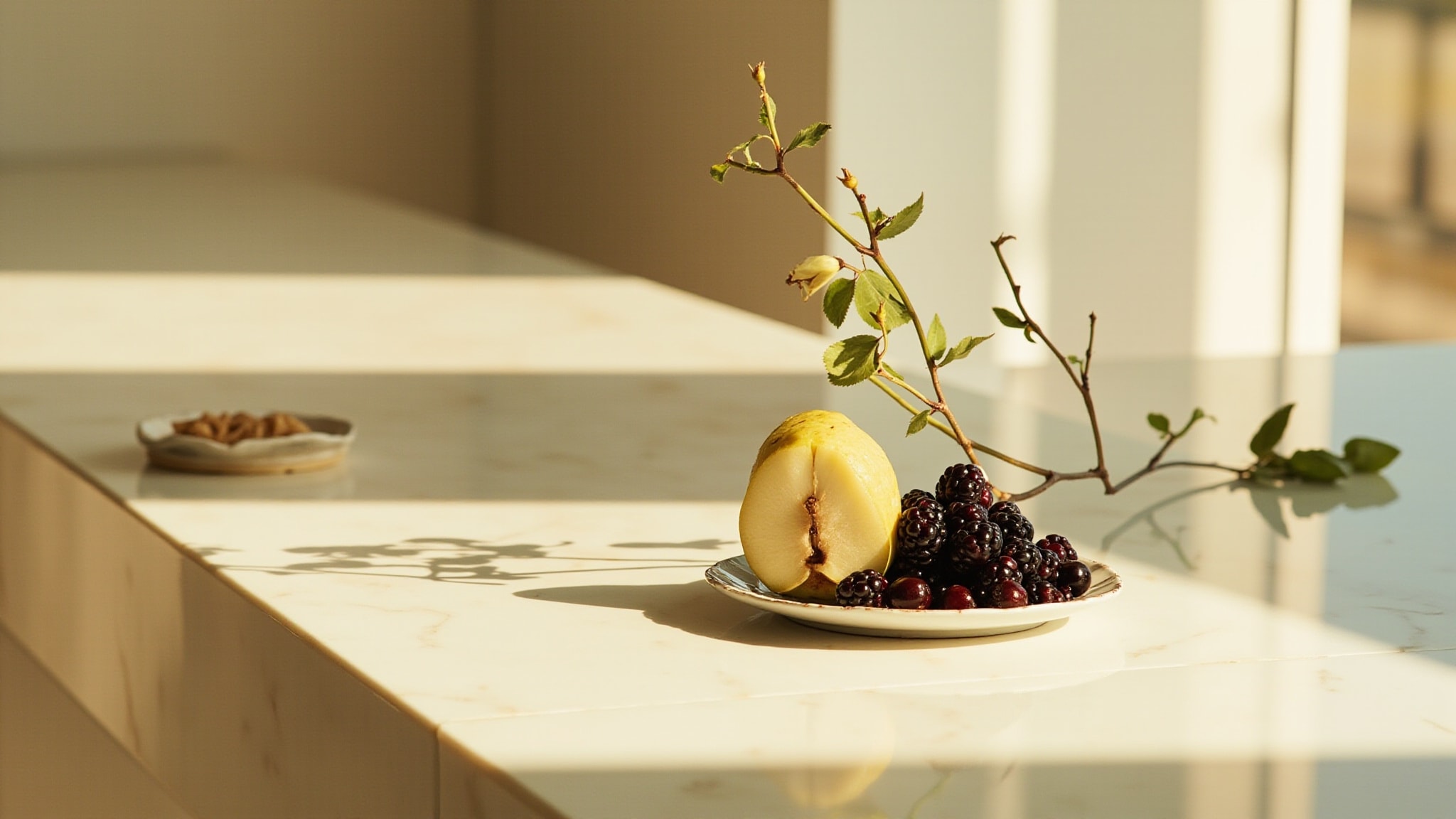
The note structure is compelling because it moves between polished brightness and dense sweetness. Pear and blackcurrant make the opening fresh and sparkling, with aldehydes adding a clean, almost tailored edge. Orange blossom, iris, and jasmine soften that brightness into a white floral heart. Then vanilla, praline, tonka bean, and patchouli turn the composition warmer, giving it the feel of a finished evening look rather than a fleeting fruit scent. The different note groups create a layered progression: crisp fruit and aldehydes at first, a floral middle, and a rounded sweet base.
The evolution
Icône begins with a crisp, fruit-forward lift: pear and blackcurrant sit beneath a bright aldehyde shimmer. As the heart settles, orange blossom and jasmine soften the opening, while iris gives the center a cool, powdery poise. The final hours turn warmer and more enveloping, with vanilla, praline, and tonka bean building a rounded sweetness that patchouli keeps grounded in earthy depth. That base is the fragrance’s anchor. Together, the listed notes move from bright fruit to floral softness and then into a warm sweet foundation, creating a composition that can be explored as a sequence of contrasts rather than a single-note statement. The interaction of pear, blackcurrant, and aldehydes gives the opening its lift, while jasmine, orange blossom, and iris provide a softer middle. Vanilla, praline, tonka bean, and patchouli shape the later impression with sweetness and depth.
Cultural impact
Icône can be considered through its listed notes and the fragrance family descriptions provided for it. Its profile combines pear, blackcurrant, aldehydes, orange blossom, iris, and jasmine with vanilla, praline, tonka bean, and patchouli. The fruit notes introduce brightness, the florals add a soft middle, and the base notes create a warmer, sweeter impression with earthy depth. That combination places the fragrance within a recognizable sweet-floral register while also allowing the listed notes to provide a more specific point of discovery.
The House
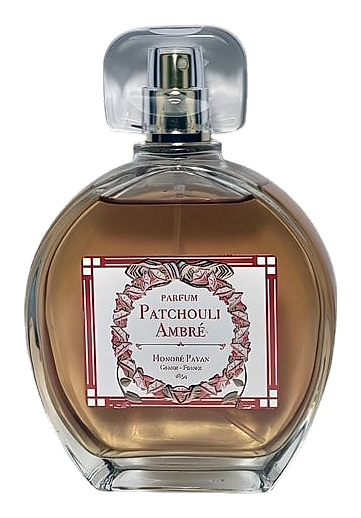
Honore PayanHonoré Payan is one of Grasse's oldest continuously operating perfume houses, founded in 1854 on the Place de la Poissonnerie in the historic center of France's perfume capital. Still family-run after more than 170 years, the house produces fragrances built around raw materials sourced from the Provençal countryside surrounding it. Its catalog spans classic eaux de toilette, oriental vanilles, patchouli-centric compositions like Patchouli 1854 and Patchouli Antique, and floral soliflores such as Jasmin, 1908. The house also operates a boutique on rue des Filatiers in Toulouse, introducing its Grasse-rooted palette to a wider French audience.
The Creator
Honoré PayanPayan favors materials with complexity and a degree of unpredictability, ingredients that shift on skin rather than sitting still. His base work tends to lean on woods with grain, iris pallida rather than orris derivatives, oakmoss extractions handled with the careful dosing t…