The Story
Why it exists.
The beginning
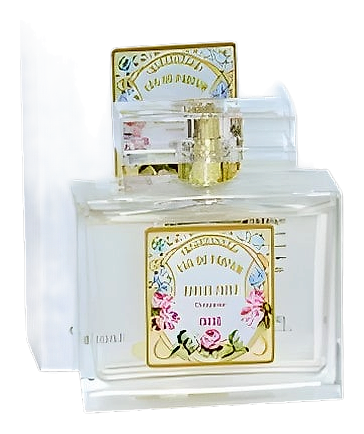
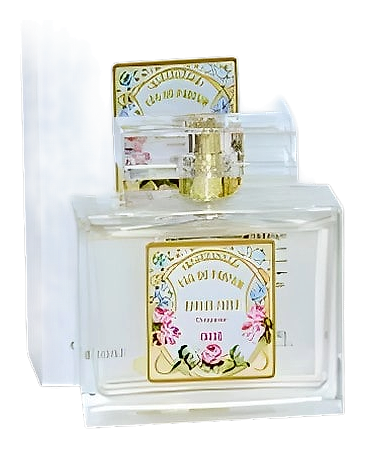
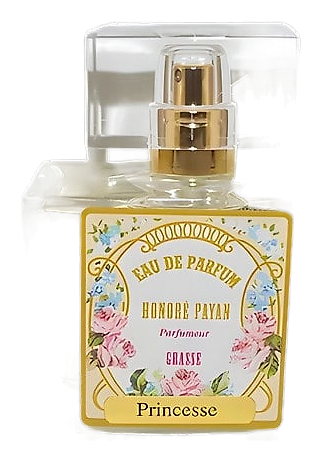
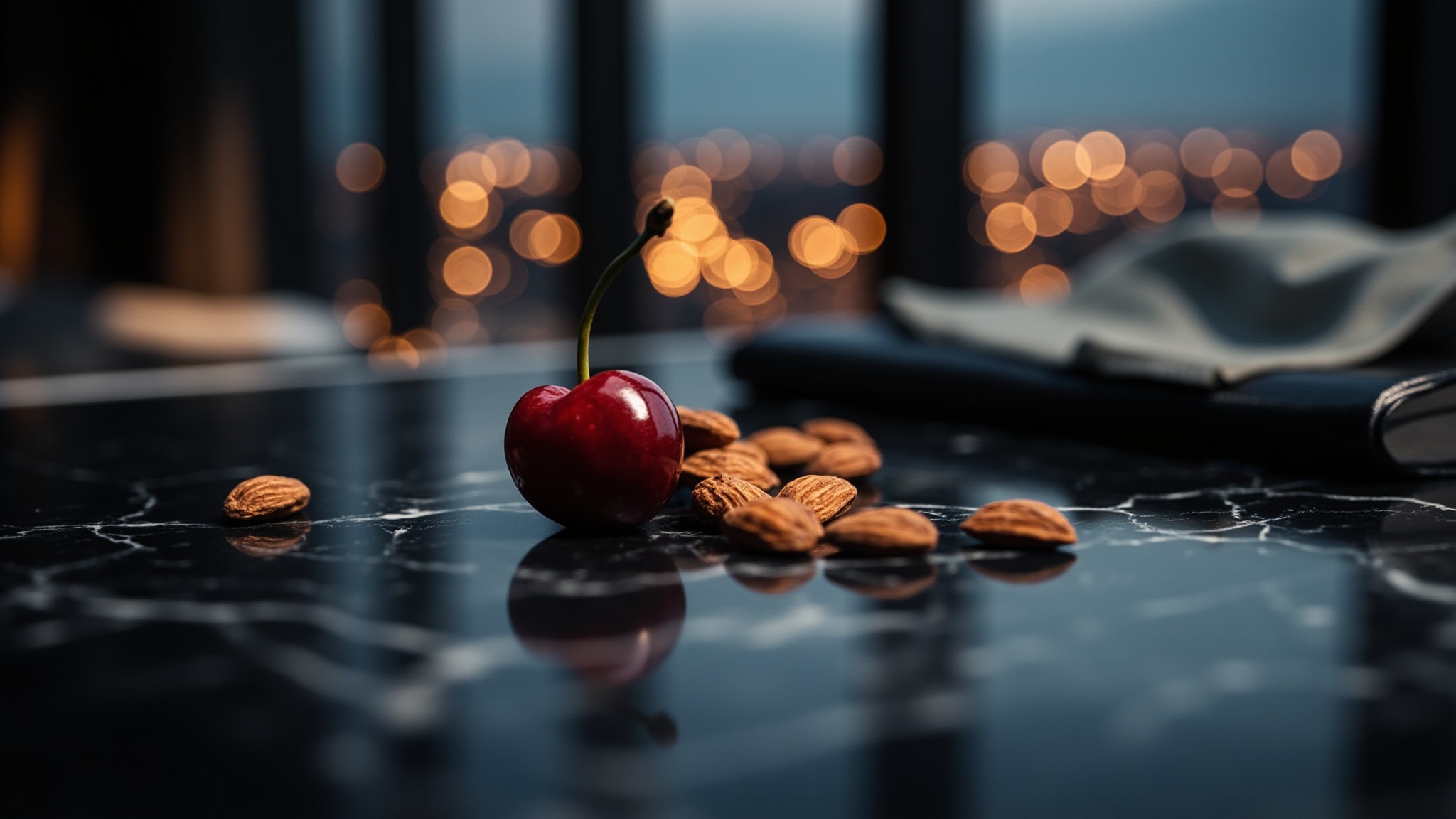
Princesse was created by Honoré Payan and launched in 2012. The name suggests a fairy-tale register, but the composition keeps the fancy dress grounded. Red fruits, almond, and cherry give it a bright, confectionary entrance, while bergamot adds a clean edge. Its character lives in the contrast between a polished floral center and a darker, tea-soaked base. As the fruit tones settle, rose brings a floral softness, followed by black tea and Lapsang Souchong, whose dry character deepens the composition. Licorice adds another bitter-sweet accent, while iris, patchouli, vanilla, and tonka bean create a warm, softly textured base.
The note structure is interesting because it refuses to stay in one lane. Cherry and red fruit bring sweetness, while black tea, Lapsang Souchong, and licorice introduce smoke and dry bitterness. Rose keeps the heart floral, but vanilla, tonka bean, iris, and patchouli give the finish a warm, softly lit evening character. The fruit notes remain bright at first, then gradually sit alongside the floral heart. Tea and licorice lend a darker counterpoint, while the base notes add gentle sweetness, powdery texture, and depth as the composition wears on.
The evolution
Princesse begins with red fruits, almond, cherry, and bergamot, a bright and slightly tart entry that gives the sweetness an edge. As the fragrance settles, black tea, rose, licorice, and Lapsang Souchong take over. The floral center feels polished and composed, while the tea notes pull the composition toward smoke, spice, and dry warmth. In the drydown, iris, patchouli, vanilla, and tonka bean create a soft, powdery base with a darker woody floor. The progression moves from vivid fruit and citrus brightness into a floral middle, then toward a warm base where vanilla, tonka bean, patchouli, and iris remain gently intertwined with the tea and licorice accents.
Cultural impact
Princesse draws its character from a combination of vivid fruit, almond, cherry, bergamot, rose, black tea, Lapsang Souchong, licorice, iris, patchouli, vanilla, and tonka bean. The opening is bright and confectionary, with the fruit notes supported by almond and bergamot. Rose introduces a floral center, while tea and licorice add darker, drier accents. Iris, patchouli, vanilla, and tonka bean give the later composition a warm, softly textured finish. Its appeal rests in this progression, moving between sweetness, floral softness, tea, and a rounded base without losing the contrast that defines the fragrance.
The House
Honore PayanHonoré Payan is one of Grasse's oldest continuously operating perfume houses, founded in 1854 on the Place de la Poissonnerie in the historic center of France's perfume capital. Still family-run after more than 170 years, the house produces fragrances built around raw materials sourced from the Provençal countryside surrounding it. Its catalog spans classic eaux de toilette, oriental vanilles, patchouli-centric compositions like Patchouli 1854 and Patchouli Antique, and floral soliflores such as Jasmin, 1908. The house also operates a boutique on rue des Filatiers in Toulouse, introducing its Grasse-rooted palette to a wider French audience.
The Creator
Honoré PayanPayan favors materials with complexity and a degree of unpredictability, ingredients that shift on skin rather than sitting still. His base work tends to lean on woods with grain, iris pallida rather than orris derivatives, oakmoss extractions handled with the careful dosing t…