Heritage
A house, in its own words
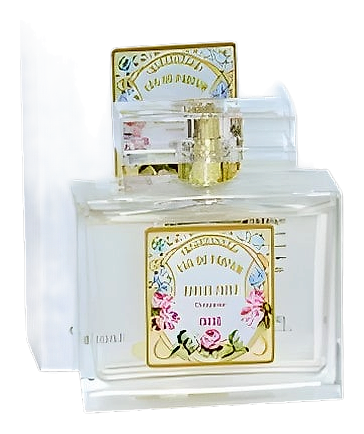
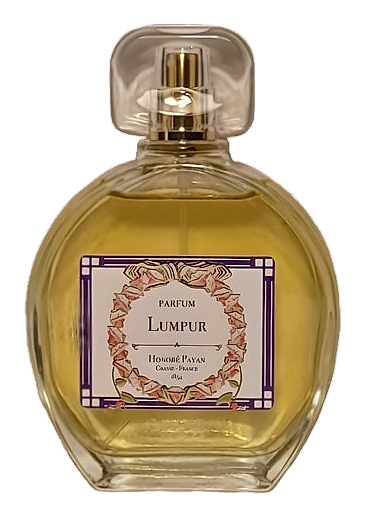
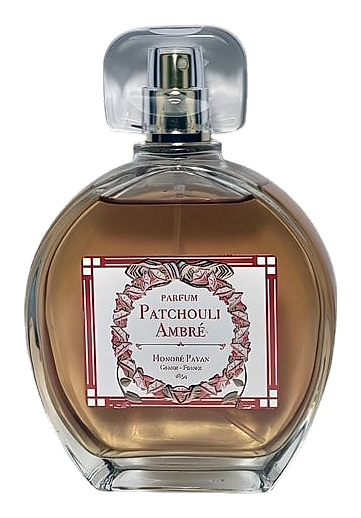
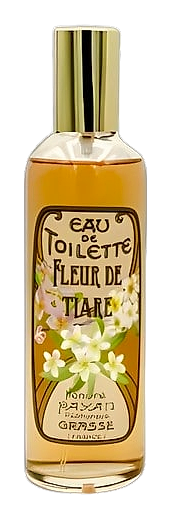
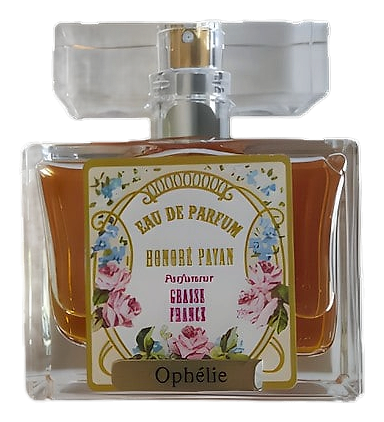
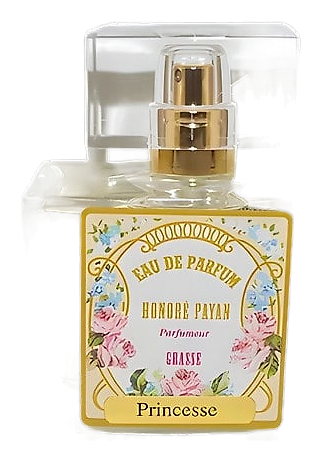
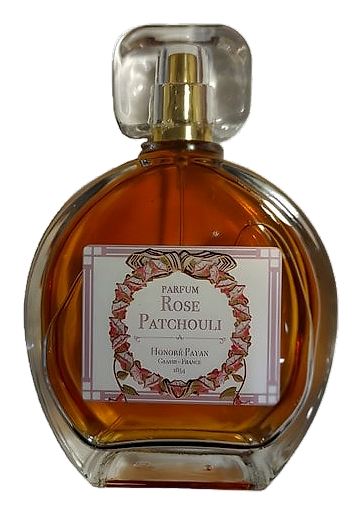
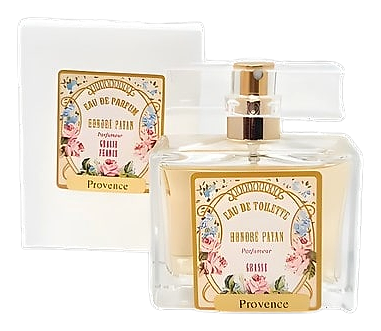
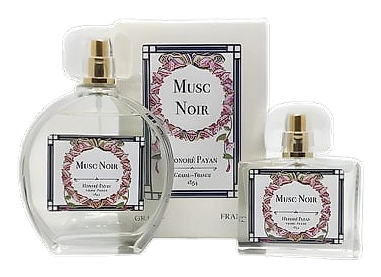
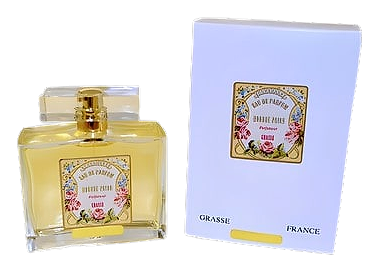
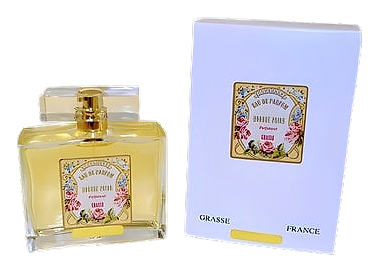
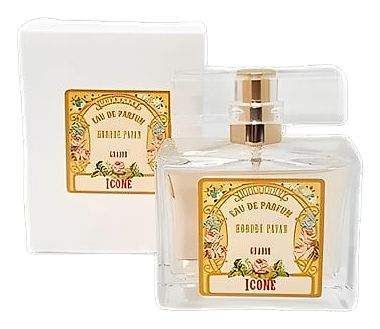
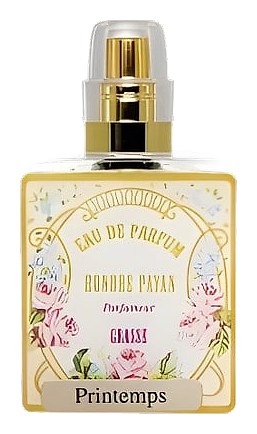
Honoré Payan was founded in 1854 by Honoré Payan himself, at the Place de la Poissonnerie in the old town of Grasse. The timing placed the house at the center of a remarkable moment in French perfumery: Grasse in the mid-nineteenth century was transforming from a leather-and-glovemaking town into the industrial heart of fine fragrance, fueled by the rise of raw material cultivation in the surrounding hills. The company grew steadily, and in 1883 it entered into a formal association that operated under the name Payan et Bertrand. By 1907, Honoré Payan regained its independence and continued as a standalone house, a structure that has endured. The imprint left by its early twentieth-century catalog is still legible in the names the house carries today, from Jasmin, 1908 to Patchouli 1854, which function less as marketing gestures than as archival references to specific dates in the company's production history. Across more than fifteen decades, the house has passed through multiple generations of the same family, an unusual continuity in an industry where many Grasse firms have been absorbed by larger luxury groups. That continuity shapes how Honoré Payan presents itself: not as a reinvention, but as a continuation of a specific Provençal tradition of compounding perfume from locally grown materials. The creative position at Honoré Payan is grounded in the geographic logic of Grasse: the idea that a perfume's character begins with what the surrounding landscape actually produces. The house builds compositions around Provençal raw materials, whether jasmine and rose from the region's flower fields or patchouli treated as the anchor ingredient across multiple fragrances in the line. Rather than chasing trend cycles, the catalog reads like an inventory of material affinities, with a single note (patchouli, vanilla, jasmine, amber) explored across several expressions that differ in intensity and treatment. This is perfumery as raw-material study, an approach that treats a successful formula less as a finished product to be retired and more as an ongoing relationship with an ingredient. The family ownership reinforces the pacing. Decisions can be made across generations rather than quarters, which means older formulations stay alive in the line alongside newer work, and the identity of the house accumulates rather than resets.