The Story
Why it exists.
The beginning
Turquoise arrived in 2022 as part of Cunzite's gemstone-named collection, a line that translates the visual allure of precious stones into scent. The house, founded in 1983 by a consortium of Italian perfumers, builds each fragrance around the colour, cut, and symbolic quality of a named stone. Turquoise draws on the stone's ancient associations with protection, calm, and the colour of shallow tropical water, expressed here not through aquatics or marine notes but through warm spice and resin that suggest the mineral depth beneath the surface. The composition was developed in Cunzite's Italian formulation studios using Turkish rose as a central floral anchor, a material the brand highlights in its sourcing. The result is a unisex EDP that reads as warmth rather than coolness, the turquoise not as colour but as feeling: the still point beneath heat.
What makes Turquoise structurally interesting is the dual pepper move, pink pepper up top and black pepper in the heart, which is unusual in this category. Most spiced-oriental compositions lead with a single pepper note or skip it entirely; using both creates a continuous thread of warmth that bridges the bright spice opening to the rose-gardenia heart without a break. The saffron also does double duty, working as a fixative for the pepper while lending its leathery-sweet facet to the floral phase. Cymbopogon-toned geranium adds a green metallic lift that prevents the rose from going syrupy.
The evolution
The scent opens with the luminous presence of champa flower, then settles into the soft floral character of violet. Its turquoise identity suggests a composition that is bright, graceful, and quietly expressive, moving from a fresh floral impression to a more layered violet finish. The transition from the creamy warmth of champa into the powdery, slightly dewy facets of violet gives the fragrance a cool, reflective quality, like light shifting across a still pool of water.
Cultural impact
Turquoise sits within Cunzite's gemstone collection as a warm, spice-forward counterpoint to the house's cooler, more floral offerings. It reads as the kind of scent worn by someone who has outgrown the need to prove sophistication and simply wears what feels right. The spiced-resinous character places it comfortably among contemporary oriental compositions, though the dual-pepper structure and cypriol base give it more architectural depth than many of its Gulf-market peers. It works across the temperature range that matters most for this style: cooler evenings where the warmth can glow, transitional seasons where spice reads as appropriate rather than heavy.
The House
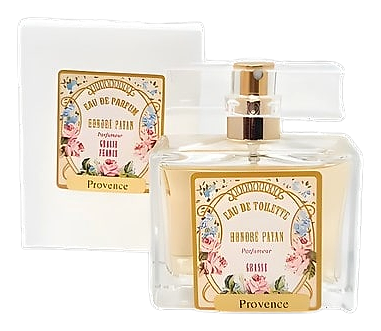
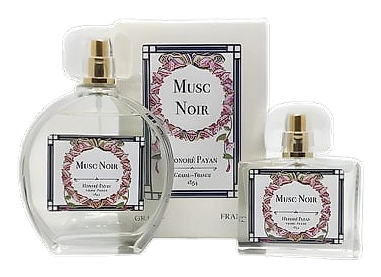
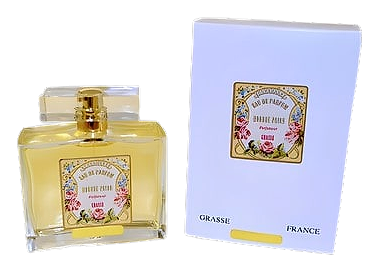
Honore PayanHonoré Payan is one of Grasse's oldest continuously operating perfume houses, founded in 1854 on the Place de la Poissonnerie in the historic center of France's perfume capital. Still family-run after more than 170 years, the house produces fragrances built around raw materials sourced from the Provençal countryside surrounding it. Its catalog spans classic eaux de toilette, oriental vanilles, patchouli-centric compositions like Patchouli 1854 and Patchouli Antique, and floral soliflores such as Jasmin, 1908. The house also operates a boutique on rue des Filatiers in Toulouse, introducing its Grasse-rooted palette to a wider French audience.
The Creator
Honoré PayanPayan favors materials with complexity and a degree of unpredictability, ingredients that shift on skin rather than sitting still. His base work tends to lean on woods with grain, iris pallida rather than orris derivatives, oakmoss extractions handled with the careful dosing t…