Amaranth
Amaranth brings a warm, nutty sweetness to perfumery as a subtle base note, lending earthy warmth and quiet depth to compositions that seek a grain-like, comforting presence.
Character
How it smells
Ancient grain, modern elegance
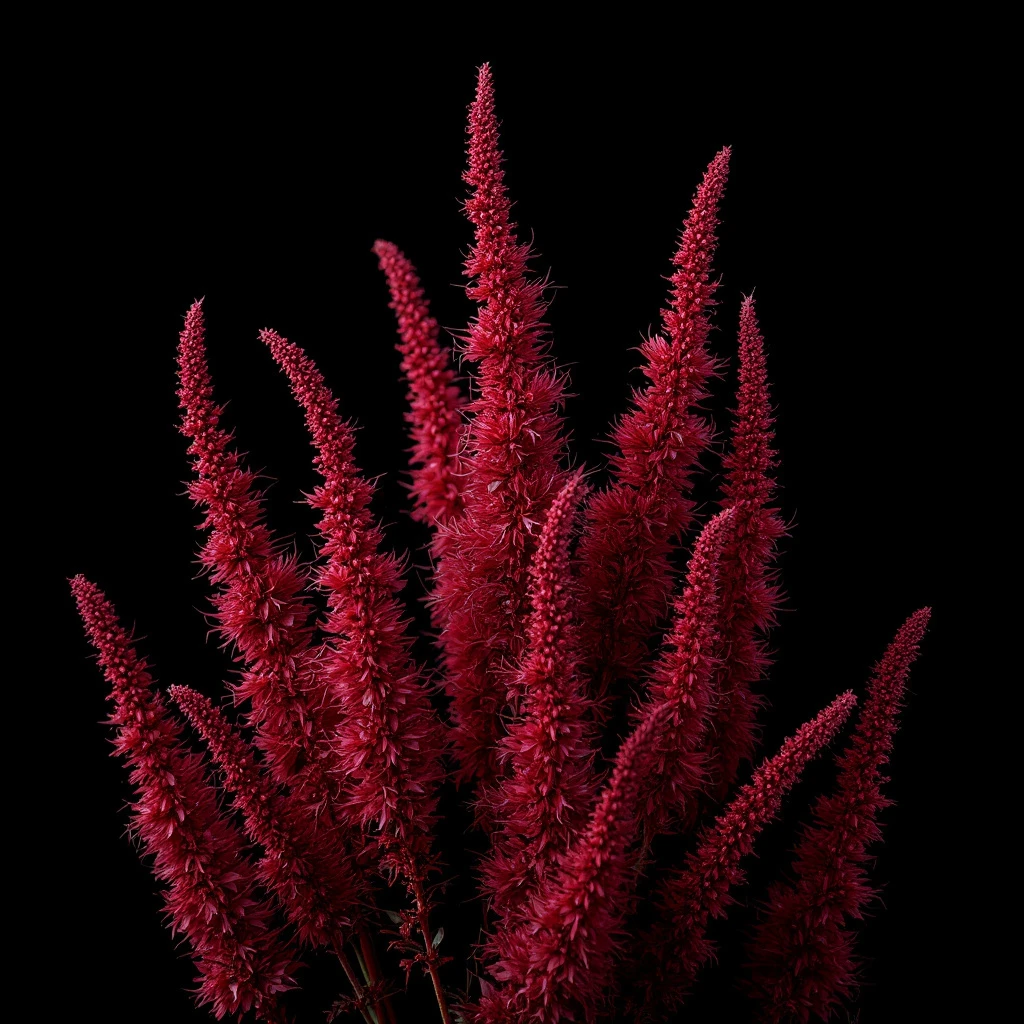
Amaranth was a sacred food of the Aztec Empire, where it comprised up to 80% of the Aztec soldiers' rations before Spanish colonization suppressed its cultivation.



Origin
Mexico
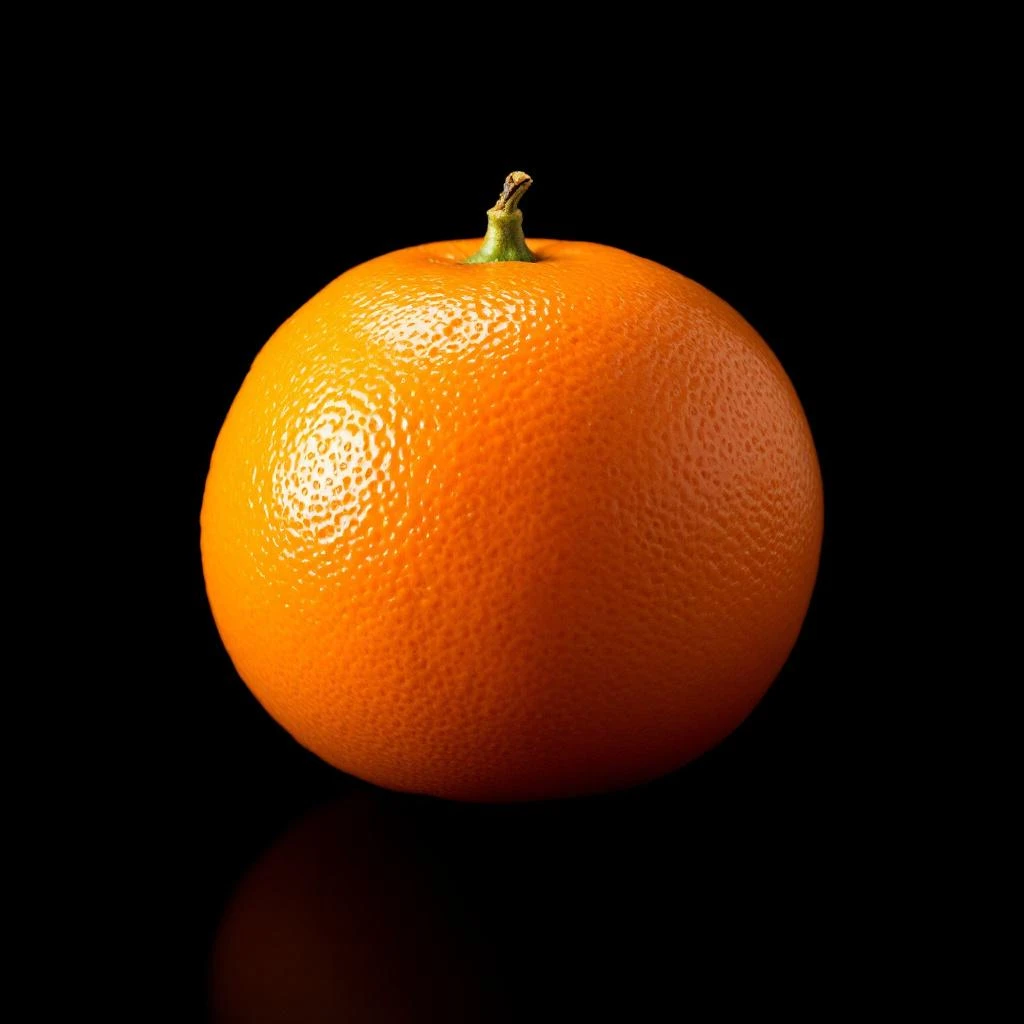
Amaranth traces its perfumery presence to one of the world's oldest cultivated plants, domesticated by Mesoamerican civilizations around 6,000 to 8,000 years ago. The Aztec Empire elevated amaranth to sacred status, using it in ceremonial offerings and as a staple grain alongside maize and beans. Spanish colonizers suppressed amaranth cultivation in the 1500s due to its religious significance, pushing it toward near-obscurity outside indigenous communities.
Its fragrance applications developed much later, as natural perfumers explored grain-derived materials during the 20th century shift toward botanical complexity. Today, amaranth occupies a niche but valued position in natural perfumery, appreciated for its warm, comforting qualities that evoke fresh bread and toasted seeds.
Wears it best
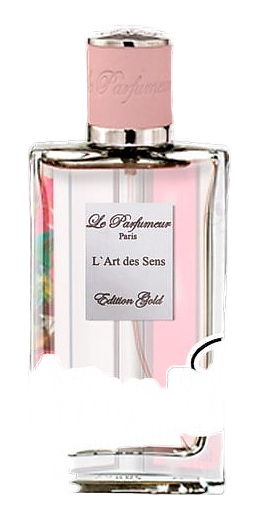
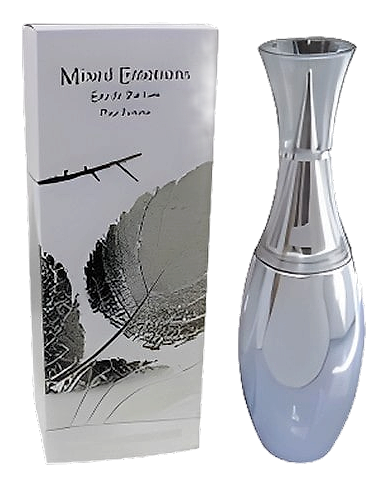
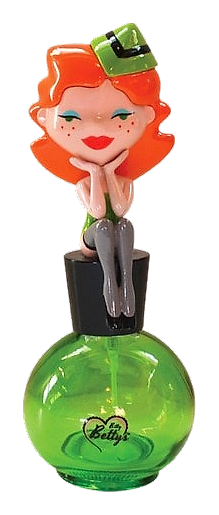
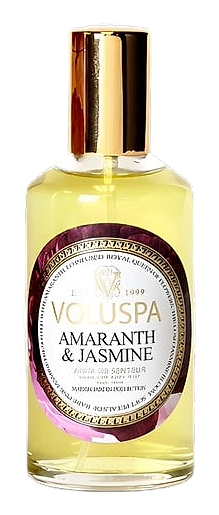
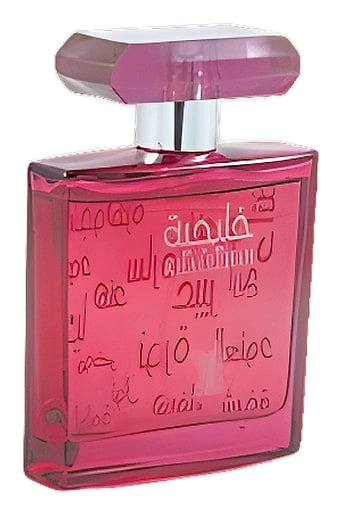
Fragrances featuring Amaranth
Brands
Brands known for Amaranth
Good to know
Questions, answered
The essentials on Amaranth in perfumery: how it smells, where it comes from, and how it behaves on skin.
What does amaranth smell like in perfume?
Amaranth delivers a warm, nutty aroma with subtle sweet and grain-like qualities. It functions as a base note, adding earthy comfort and quiet depth to fragrance compositions.
Is amaranth used in natural or synthetic perfumery?
Amaranth appears in both natural and synthetic contexts. Natural amaranth oil comes from steam-distilled seeds, while aromatic analogues replicate its warm, nutty character in lab-created form.
What type of fragrance notes does amaranth belong to?
Amaranth serves as a base note material. Its low volatility and warm character make it ideal for grounding heart and top notes in oriental, woody, and amber compositions.
Which perfume families commonly use amaranth?
Amaranth appears most often in oriental, woody, and chypre fragrances. Its warm, grain-like quality pairs well with amber, sandalwood, and herbal accords.
Is amaranth oil safe for skin application?
Amaranth oil requires dilution before skin application. Always follow IFRA guidelines and consult safety data sheets for proper usage concentrations.
What part of the amaranth plant produces the fragrance material?
Perfumers use the seeds and sometimes the whole plant material for extraction. Steam distillation of dried seeds yields the primary aromatic extract.
Where does amaranth for perfumery originate?
Commercial amaranth cultivation for fragrance centers on Mexico, India, and China. Mexico holds historical significance as the plant's center of domestication.
Does amaranth appear commonly in commercial perfumes?
Amaranth remains a relatively rare ingredient in mainstream perfumery. Niche natural perfume houses and artisanal brands use it more frequently than mass-market labels.