Damascus Plum
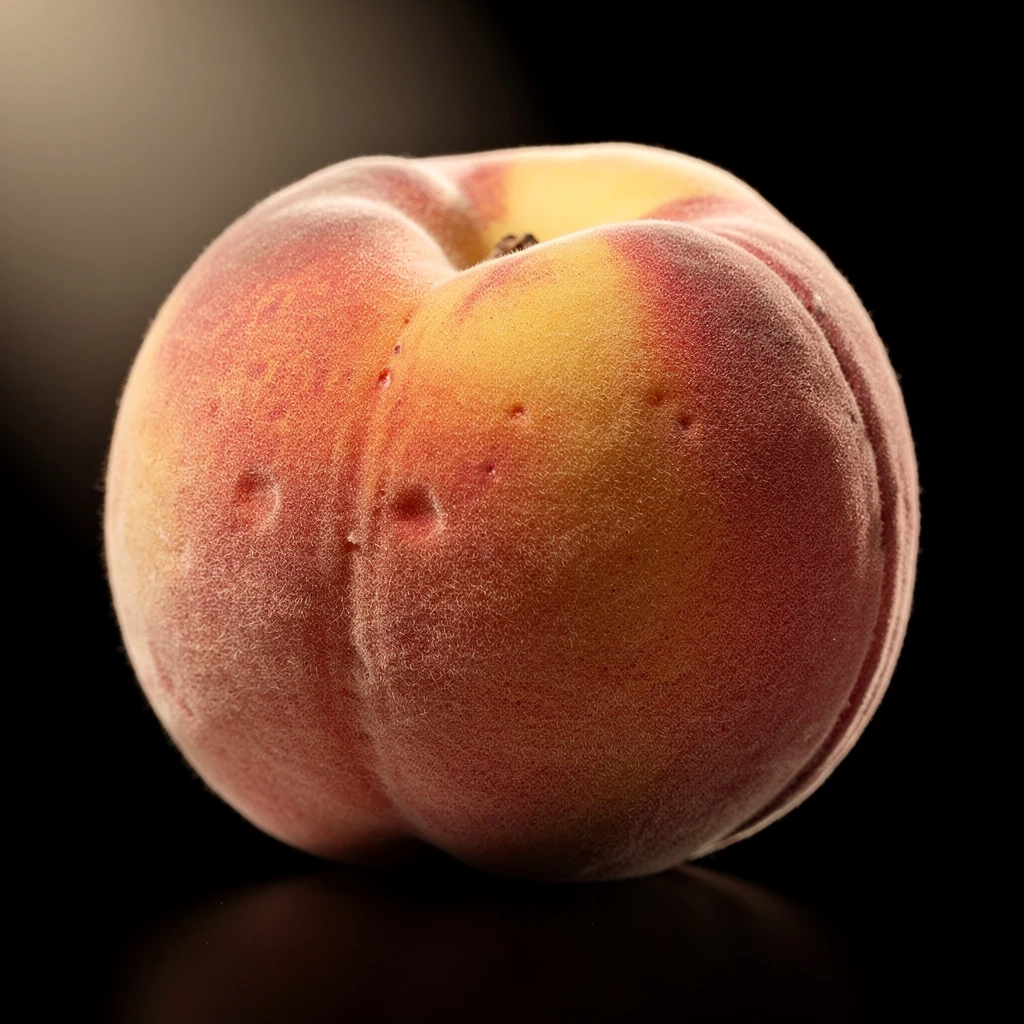
Damascus Plum captures the rich, velvety sweetness of ripe plums through precision chemistry. This signature note in oriental and gourmand fragrances exists entirely in the laboratory, crafted from molecules called damascones rather than harvested from any orchard.
Character
How it smells
Velvety fruit reconstructed from the chemist's palette.
No plum oil exists in nature. Every plum fragrance you have ever worn came from a laboratory.







Origin
Laboratory origin
True plum fragrance is a modern invention. Ancient Mesopotamian and Greek perfumers worked with florals, resins, and spices but had no access to genuine fruity notes. Natural perfumery lacked the chemical pathways to recreate complex fruit aromas until the late 19th century when synthetic chemistry emerged.
Modern perfumery began in the 1890s with vanillin and coumarin, opening doors to reconstructed ingredients. By the mid-20th century, chemists had isolated the damascone family of compounds, discovering that these beta-triketone molecules provided the exact aromatic signature of ripe plum. The name Damascus connects to the damascenone compounds shared with Damascus rose, creating a romantic link between two very different ingredients united by molecular similarity.
Today, Damascus Plum stands as a cornerstone of oriental and gourmand perfumery, proving that science can sometimes improve upon nature's original.
Wears it best
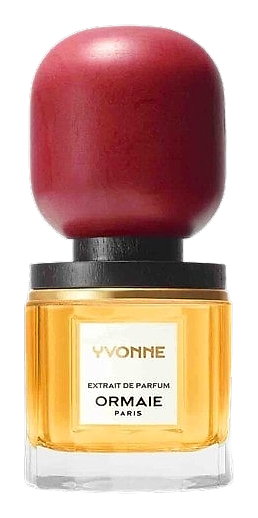
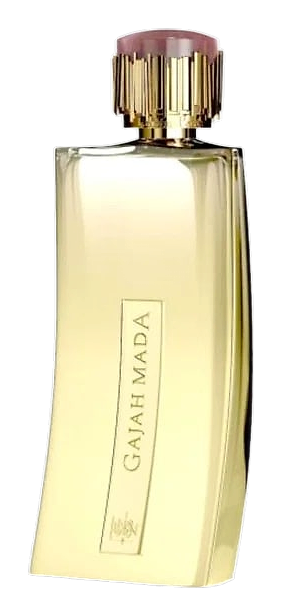
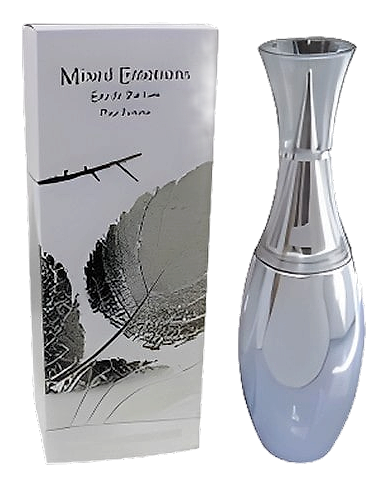
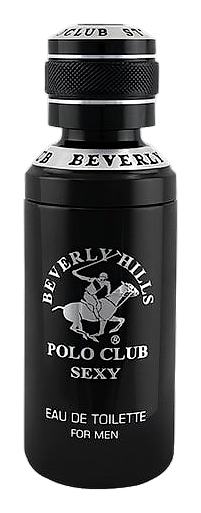
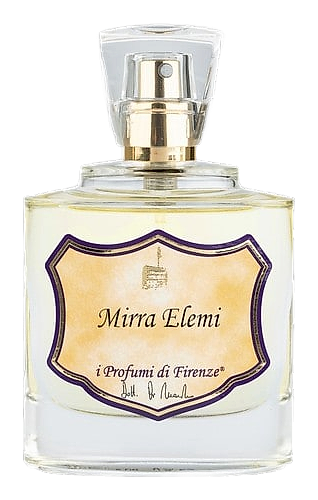
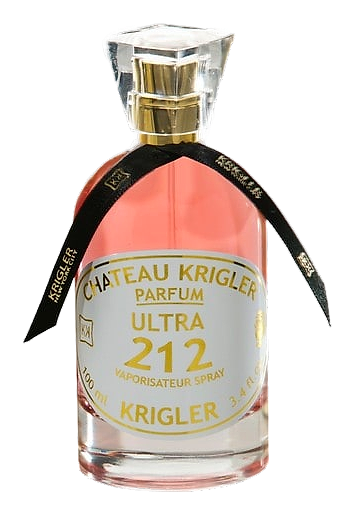
Fragrances featuring Damascus Plum
Brands
Brands known for Damascus Plum
Good to know
Questions, answered
The essentials on Damascus Plum in perfumery: how it smells, where it comes from, and how it behaves on skin.
What is the connection between Damascus Plum and Damascus Rose?
Both ingredients share damascenone compounds. The same molecules that give Damascus Rose its characteristic scent appear in plum reconstruction. Perfumers chose the Damascus name to acknowledge this molecular connection. The two notes can layer beautifully in fragrance compositions.
Why is plum always synthetic in perfumery?
Natural plum oil does not exist because the fruit's aroma compounds evaporate too quickly for extraction. Plums contain highly volatile esters and aldehydes that dissipate within hours of ripening. Chemistry solved this by synthesizing the exact aroma molecules in stable, concentrated form.
What molecules create Damascus Plum's scent?
Damascones form the core of plum reconstruction, particularly beta-damascenone and beta-damascone. These beta-triketone compounds also occur naturally in rose, black tea, and tobacco. Supporting aldehydes and esters add the juicy, slightly tart top notes that complete the plum character.
How does Damascus Plum differ from other synthetic fruit notes?
Plum reconstruction uses a layered molecular approach rather than a single dominant compound. While simpler fruit notes might rely on one ester, plum blends multiple damascones with supporting chemicals. This complexity mimics the fruit's jammy, multidimensional aroma more convincingly.
In what fragrance families does Damascus Plum appear?
Oriental and gourmand fragrances feature Damascus Plum most prominently. The note works in top notes for immediate fruity impact or in heart notes to support the composition. Chypre and floral fragrances also use plum for its rich, velvety quality.
Does Damascus Plum occur anywhere in nature?
Damascones appear in natural sources including rose oil, black tea, and tobacco. However, these natural sources contain tiny quantities. Commercial Damascus Plum production synthesizes these molecules from citric precursors to achieve perfume-grade concentrations.
How long has synthetic plum been used in perfumery?
Synthetic plum reconstruction dates to the 1950s when damascone compounds became commercially available. The technique matured through the 1970s and 1980s as perfumers refined the blend of molecules. By the 1990s, plum had become a mainstream fragrance note.
Is there a natural alternative to Damascus Plum?
Natural plum absolute does not exist commercially. Some perfumers use plum blossom absolute from specific varieties, but this is rare and expensive. For practical perfumery, Damascus Plum remains the standard approach to achieving true plum character.