The Story
Why it exists.
The beginning
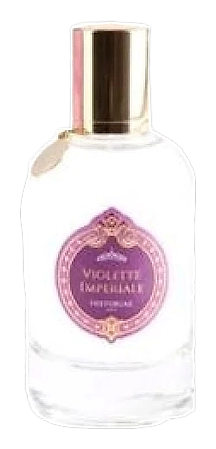
Constant Michaux designed Violette Imperiale as a tribute to Empress Eugénie and her devotion to her son, set against Paris on June 1st, 1879. The historical brief called for a fragrance that could translate courtly sentiment into scent. Michaux reached for blackcurrant and citrus to capture the initial spark of imperial energy, with peach adding a tender softness that mirrors a mother's affection.
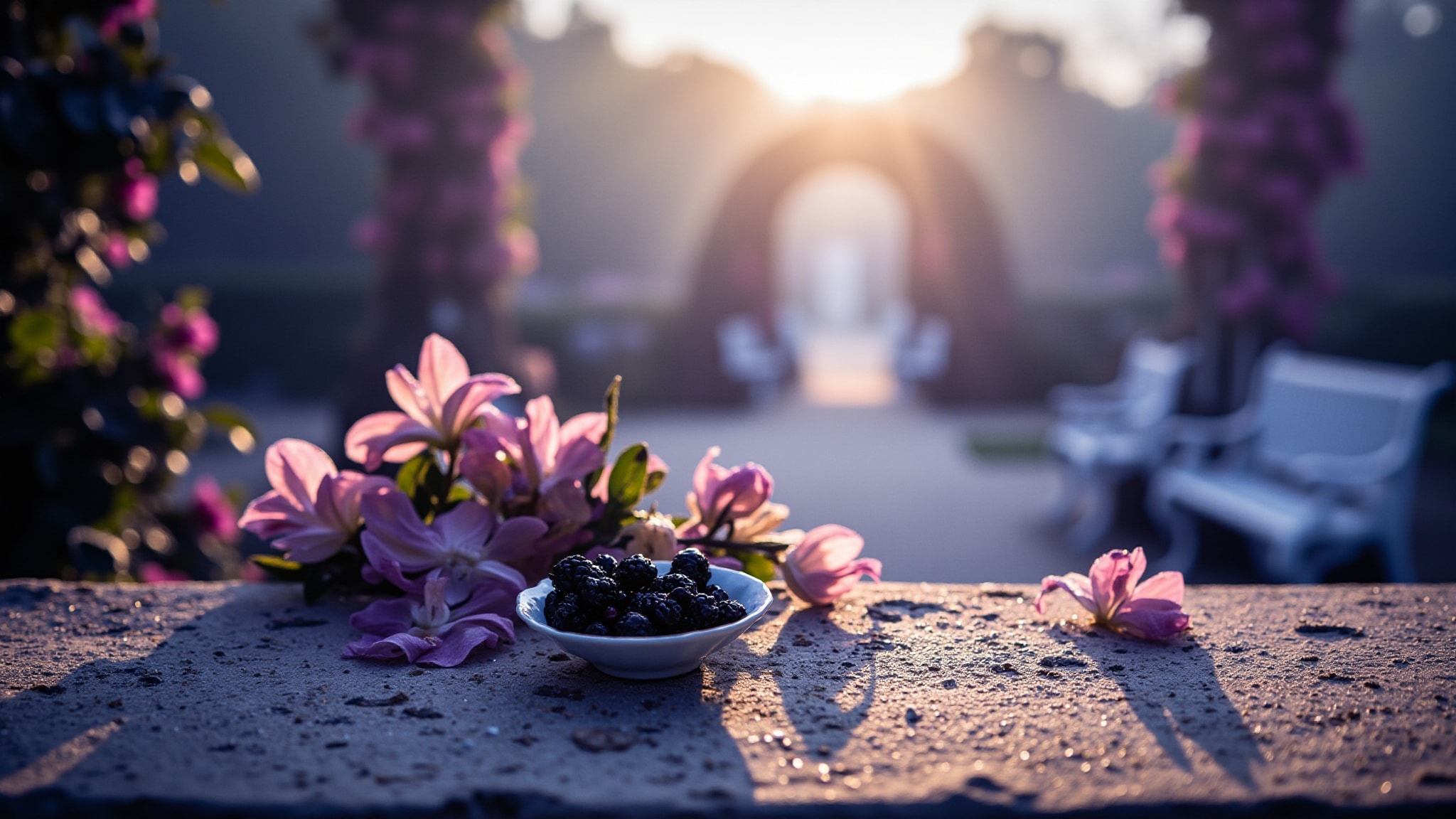
The note selection reflects a deliberate pairing of fruit and flower, where blackcurrant's tartness grounds the sweeter peach while iris and violet provide aristocratic floral structure. Ylang-ylang bridges the opening and heart with its tropical warmth, and the base ensures longevity through sandalwood and vanilla's creamy persistence.
The evolution
The fragrance moves from tart blackcurrant and bright orange into a heart where iris takes center stage, its powdery elegance supported by violet, raspberry, and ylang-ylang. This progression mirrors the journey from public duty to private emotion. The drydown brings warmth through amber, sandalwood, and vanilla, with musk and vetiver providing lasting depth.
Cultural impact
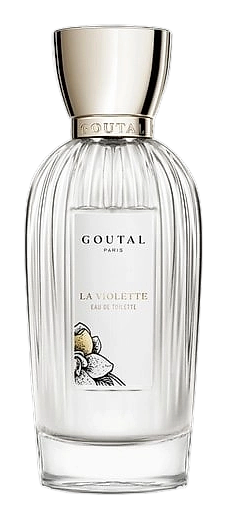
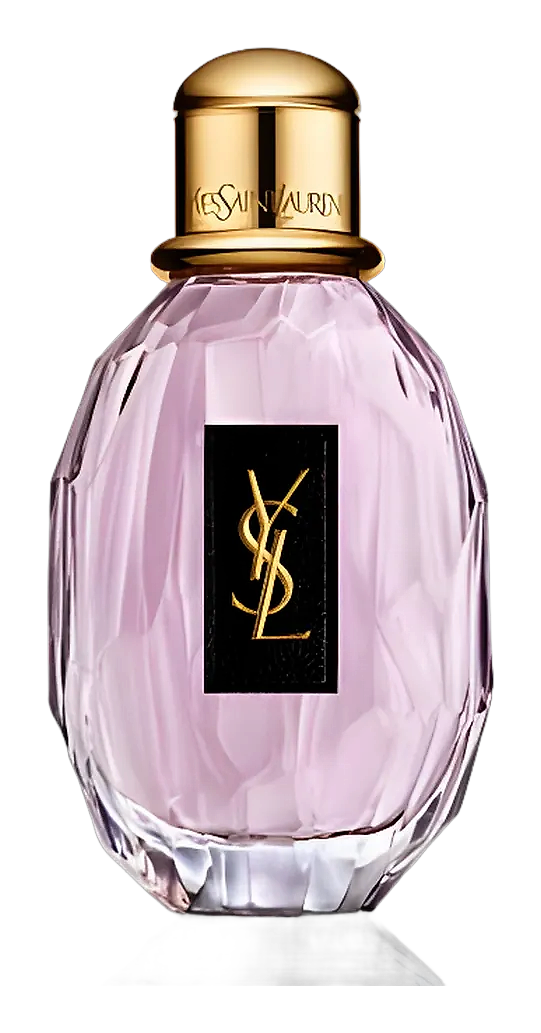
Since its 2012 debut, Violette Imperiale has become a go‑to for fans of powdery violet fragrances, often mentioned alongside La Violette by Goutal. Wearers appreciate its elegant garden vibe for spring events, while some note the modest longevity makes it a daytime staple rather than a night‑out powerhouse.
The House
HistoriaeHistoriae creates fragrances that echo moments from European history. Founded in 2012, the house releases eau de toilette, scented soaps, candles and home sprays that reference royal gardens, historic events and classic perfume formulas. Each scent is paired with a short narrative that situates the aroma within a specific date or location, inviting wearers to experience a scented fragment of the past.
The Creator
Constant MichauxMichaux favors transparent structures built around a dominant heart note. He often selects rare botanicals such as Haitian vetiver, Madagascan ylang‑ylang, or Turkish rose, pairing them with classic bases of ambergris, cedar, or sandalwood.