The Story
Why it exists.
The beginning
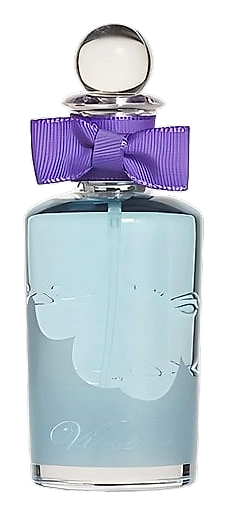
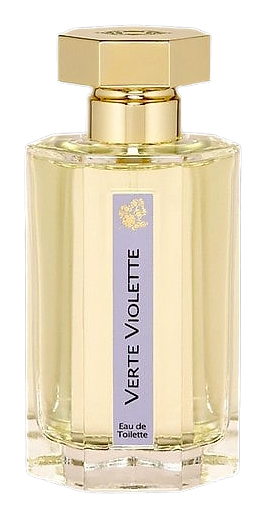
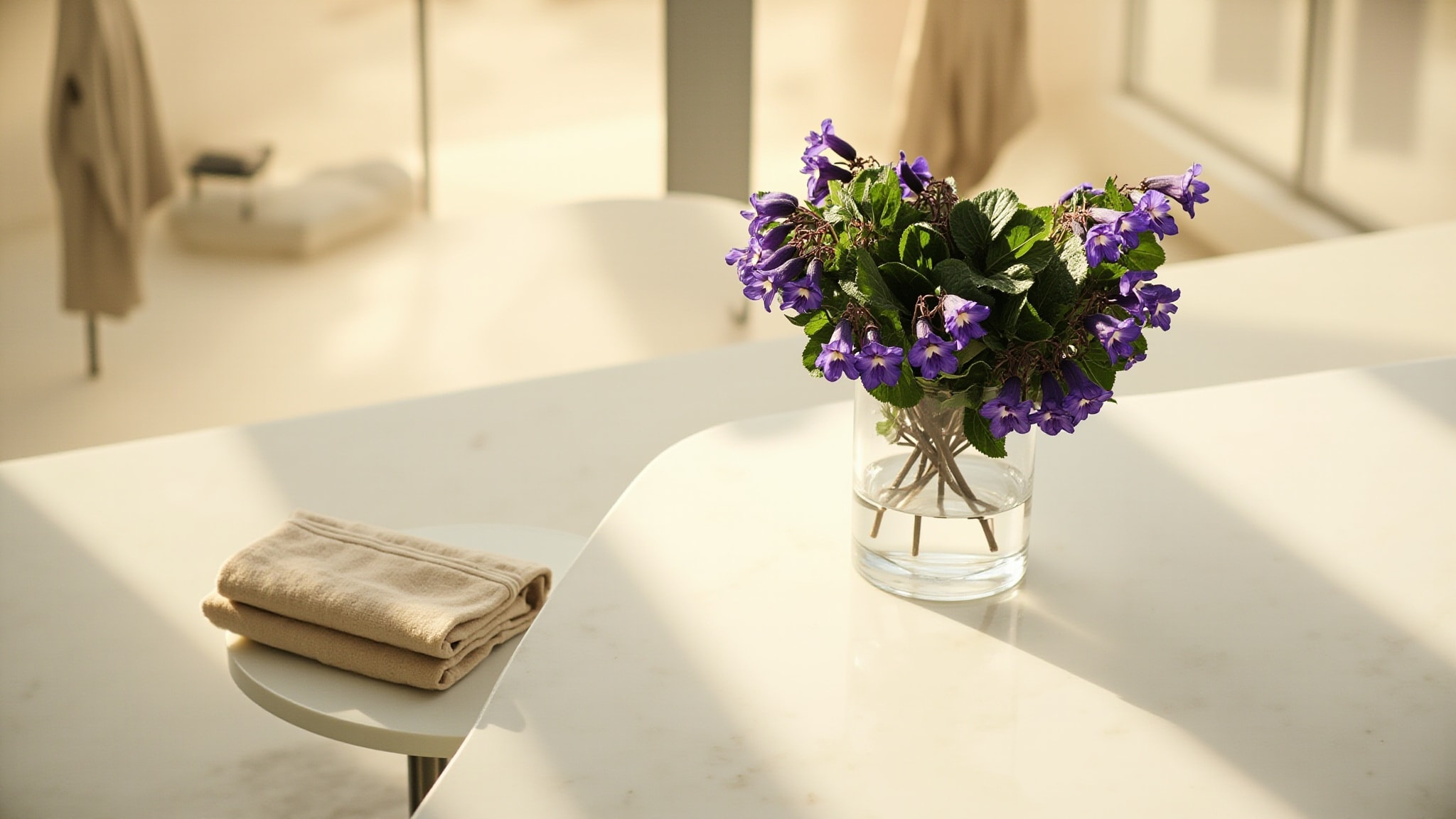
Anne Flipo built Verte Violette around a quiet obsession: the violet plant, entire. Not just the flower, the leaf too, with its green, almost vegetable intensity. Released in 2001, the fragrance focuses on a single botanical subject, letting the whole plant speak rather than constructing elaborate note pyramids. Violet leaf carries a freshness no extracted absolute can replicate, a green quality that feels immediate and true. Flipo captured that. Layered it with the flower itself, powdery and soft. Then stopped. The result is a composition of restraint and clarity, where nothing fights for attention and nothing is left to chance.
What makes this work is the violet leaf. In most fragrances it plays support, a green accent, quickly buried. Here it takes a leading role, bringing an aromatic quality that sets it apart from simple floral compositions. The flower arrives alongside, adding softness where the leaf was bright. Powdery and gentle, its sweetness unfolds without announcement. The iris does quiet work underneath, adding a waxy, sophisticated depth that keeps the violet from reading as simple. The composition breathes because nothing fights for space, each element finding its place naturally.
The evolution
The opening is immediate: violet leaf, green and sharp, with a clarity that catches the senses. For the first phase, the green notes dominate, alive and vegetal. The violet flower arrives without overstaying its welcome, adding softness where the leaf was bright. Powdery now, with a gentle sweetness that doesn't announce itself. Iris settles underneath, providing a waxy counterpoint that keeps the whole thing grounded. As time passes, the green gradually recedes, the violet thinning to something quieter. On fabric, it lingers longer than on skin. The drydown is clean, minimal, a faint powder remaining where the full violet once stood.
Cultural impact
Verte Violette occupies a specific place in violet soliflore traditions, joining fragrances that explore the flower in its various forms. The violet leaf brings an aromatic intensity that distinguishes it from other interpretations of the theme. The fragrance attracts people who want a single botanical done carefully: violet, in its entirety, without unnecessary additions. The reception tends toward appreciation for its natural quality and its suitability for understated wear. Complaints about longevity appear in some discussions, though this reflects the nature of the composition rather than any failure of intent.