The Story
Why it exists.
The beginning
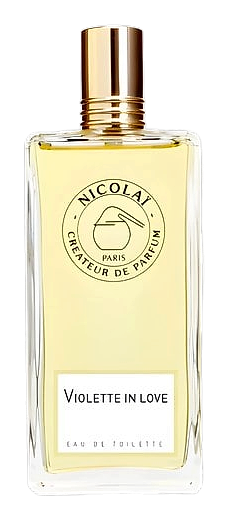
Patricia de Nicolaï created Violette in Love in 2009 as a response to a problem she saw in perfumery: violet had become synonymous with powdery, dated compositions. Her goal was straightforward, take the flower itself, not the nostalgic idea of it, and build something that felt immediate and alive. The name says it all. This was violet in love with the present, not the past.
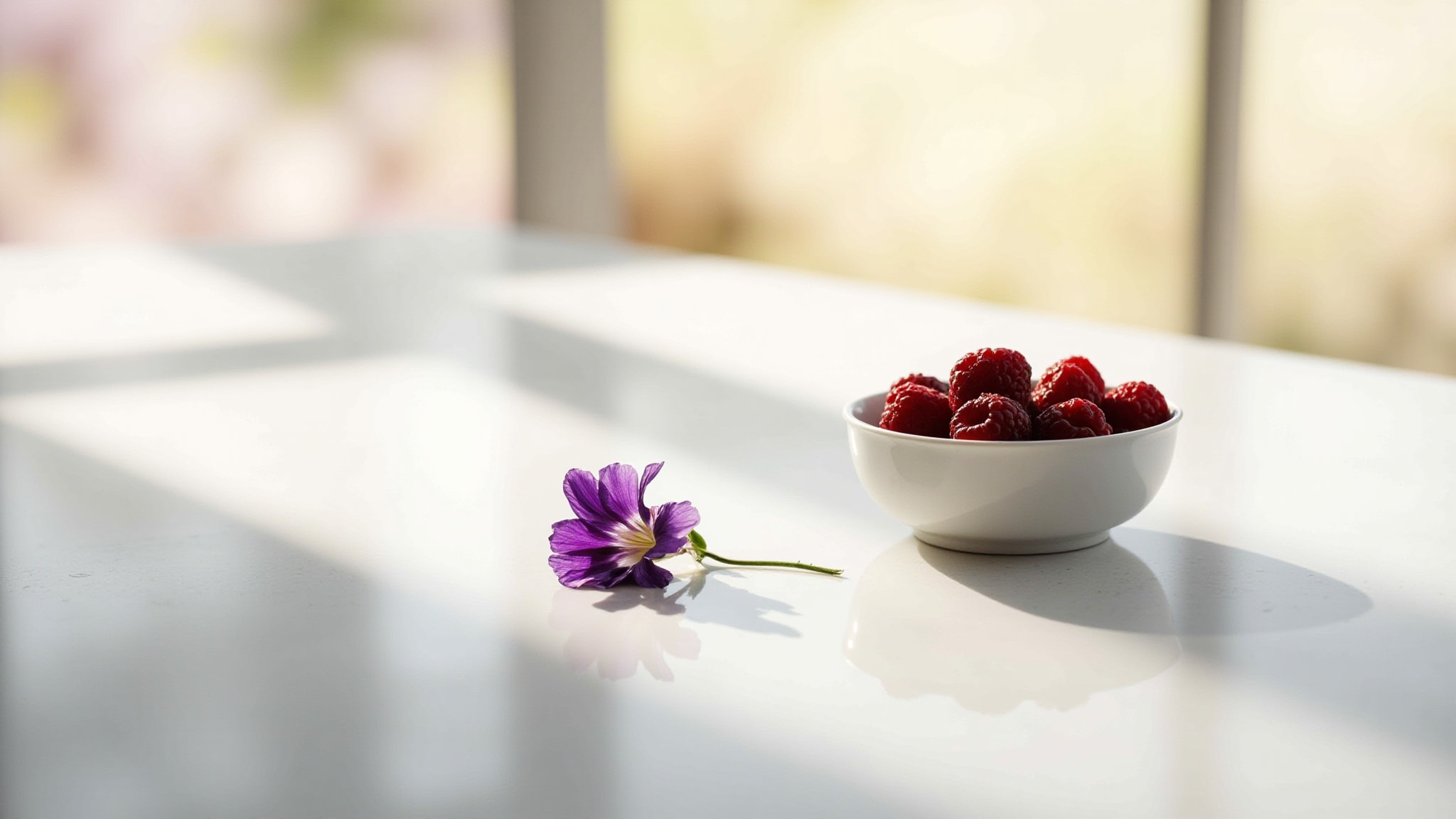
What makes this composition work is the restraint at its center. Violet can easily become heavy, suffocating in its own sweetness. Here, the orris root and iris accord keeps the violet grounded in something almost mineral, a rootiness that stops the flower from floating away into abstraction. The raspberry doesn't sweeten the violet; it gives it weight, a reason to exist beyond its own reputation. Coriander and pink pepper add the faintest spice, the suggestion of heat without the burn. It's a careful balance that only a trained hand could strike.
The evolution
The opening hits bright and fruity, raspberry dominates, with lemon lifting the whole thing into the air. You have maybe twenty minutes of this phase before the violet asserts itself, but it arrives differently than expected. Not powdery. Green. Almost dewy. The rose follows quietly, offering sweetness without taking over. By the time you reach the base, an hour in, the musk has settled close to the skin. It doesn't project aggressively, it breathes. The drydown lasts another five to seven hours on most skin types, quieter now, the violet memory of the opening still faintly present in the musky warmth.
Cultural impact
Violette in Love found its audience among those who had written off violet as too old-fashioned. It occupies a specific space, contemporary enough for daily wear, classical enough in its structure to feel like a real perfume rather than a scented lotion. The reception among violet enthusiasts has been notably warm; this is the version they had been waiting for.