The Story
Why it exists.
The beginning
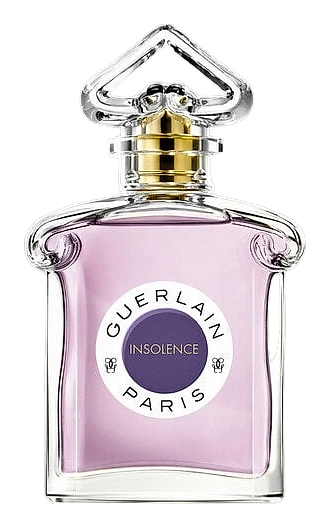
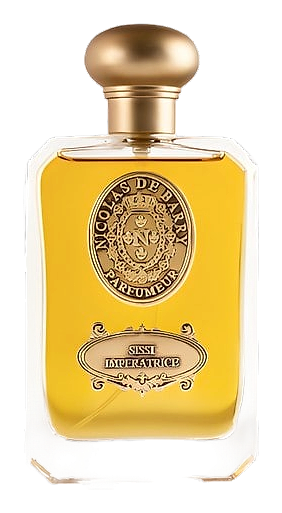
Empress Elisabeth of Austria, known to history as Sissi, was the definition of contradictions. Beautiful and brittle. Independent and isolated. A woman who rode horses for hours, learned Greek, and refused to be shaped by court life. She was, in a word, indomitable. Nicolas de Barry and Eddy Blanchet built this fragrance around that spirit: a scent that doesn't ask permission and doesn't soften itself for comfort. Launched in 2003, it channels the powder-puff intensity of imperial Vienna, the delicate sweetness of violet pastilles, the powdery elegance of old-world cosmetics, and the unmistakable presence of an empire's most legendary beauty.
The note structure is deceptively simple: bergamot, violet, iris, vanilla. But simplicity here is a trap. The violet reads as both childhood candy and antique powder box depending on who's wearing it. The iris doesn't perform, it sits there, starchy and raw, refusing to be prettied up. And the vanilla doesn't open with warmth; it arrives last, close and quiet, a velvety finish that anchors everything. This is a fragrance that earns its complexity by not announcing it. The bergamot is a courtesy, a bright opener that steps aside once the real work begins.
The evolution
The opening arrives fast: bergamot's citrus brightness flickers for minutes, then cedes to the heart. Violet pastilles take over, sweet, gummy, almost childish. Then the iris arrives. Not the silky iris of high fashion. The real thing. Starchy, slightly rooty, a vegetable thing that keeps the sweetness honest. The vanilla underneath begins to warm, pressing the violet and iris together into something compressed and thick. The drydown is the tell. Vanilla rises, but it's pressed against raw iris and that faint, slightly dirty undertow that stops this from being merely pretty. On skin, the fragrance persists through a full workday. On fabric, the presence lingers longer still. The next morning, a faint trace of powder and warm skin remains, intimate, close, gone too soon. What lingers is the memory of something both tender and uncompromising, like the woman who inspired it.
Cultural impact
Empress Elisabeth of Austria, known as Sissi, commanded obsessive public fascination throughout the 19th century. Her image, her mystery, and her tragic end made her a figure of enduring fascination across Europe. The fascination with Sissi extended far beyond her era, inspiring films, novels, and countless cultural references that continue to resonate today. She remains a symbol of feminine independence and tragic beauty, a figure who seemed to exist outside the constraints of ordinary life.