Nicolas de Barry
Nicolas de Barry arrived in perfumery by an unexpected route. Born in Paris in 1948, he pursued sociology and politics at the Sorbonne, earning a doctorate before entering the diplomatic service. The world of high-level negotiation and international relations shaped his early years, giving him a cultural fluency that would later inform his work with scent. The pivot to perfumery happened gradually. He found himself drawn to the historical dimensions of fragrance, to the way scent could encode memory and culture. By the 1990s, he was fully committed to the craft, though his approach remained distinctly his own: that of a scholar who could also build. In 2000, he founded the Prix International du Parfum, lending institutional weight to his advocacy for artistic fragrance. His defining moment arrived in 2003 when he created the collection Les Parfums Historiques, recreating scents that might have been worn by notable figures from European history. That same year, the Vitruve Group founded Maison Nicolas de Barry around his vision. Today, he divides his time between creating, teaching, and welcoming visitors to his parfunerie in Candes, where the past remains palpably present. His work with elite collectors in Brazil has also earned him a devoted following among those who appreciate perfumery as cultural practice.
The hits
Notable creations
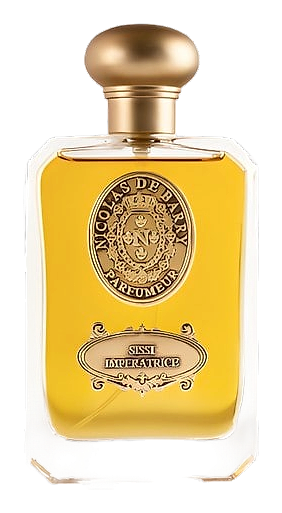
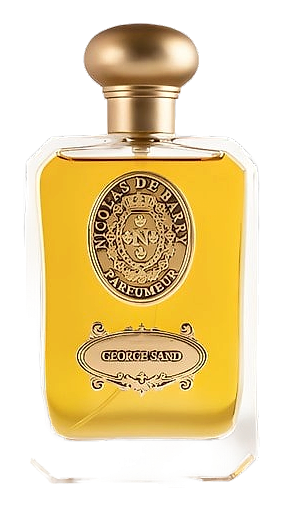
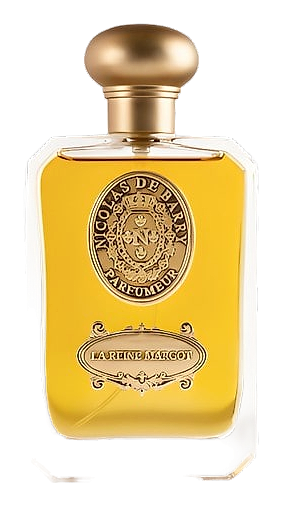
The signature
How Nicolas composes
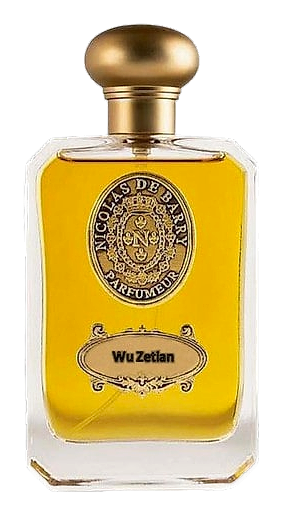
De Barry's signature lies in historical reconstruction grounded in meticulous research. He combines a historian's precision with a perfumer's sensitivity, studying period texts, trade records, and ingredient lists to understand how formulas evolved across centuries. His preferred ingredients often draw from the classical perfumery palette: rose, jasmine, and animalic notes anchor many of his historical recreations. He works with both natural materials and high-quality aromatics that approximate what earlier noses would have encountered, accounting for ingredients that have since been restricted or modified. The Les Historiques collection, which he first developed under the Maïtre et Parfumeur Gantier label before it became central to his own house, showcases his approach. Each fragrance in the line refers to a specific historical moment or figure, built with an academic clarity that makes the past legible through scent.
Philosophy
What drives Nicolas
For Nicolas de Barry, perfume is not merely a personal indulgence but a form of historical inquiry. He approaches fragrance the way an archivist approaches a manuscript: with reverence for what came before and a responsibility to render it accurately. His core belief holds that scent offers a direct line to the past that no other medium can replicate. He does not simply study historical perfumes, he reconstructs them. The question driving each creation is simple but profound: what would this person have worn? What did their world smell like? The answers require both intellectual rigor and sensory intuition, a combination that defines his practice. De Barry has spent three decades positioning perfumery as a legitimate art form deserving of the same critical attention as literature or music. His work suggests that fragrance, at its best, is a living archive.
The houses