The Story
Why it exists.
The beginning
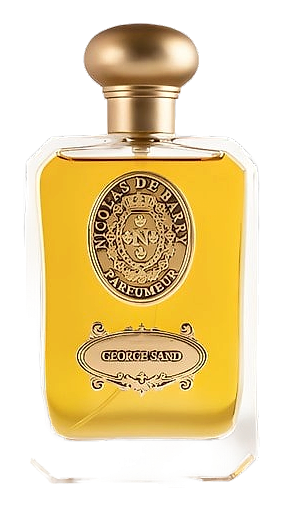
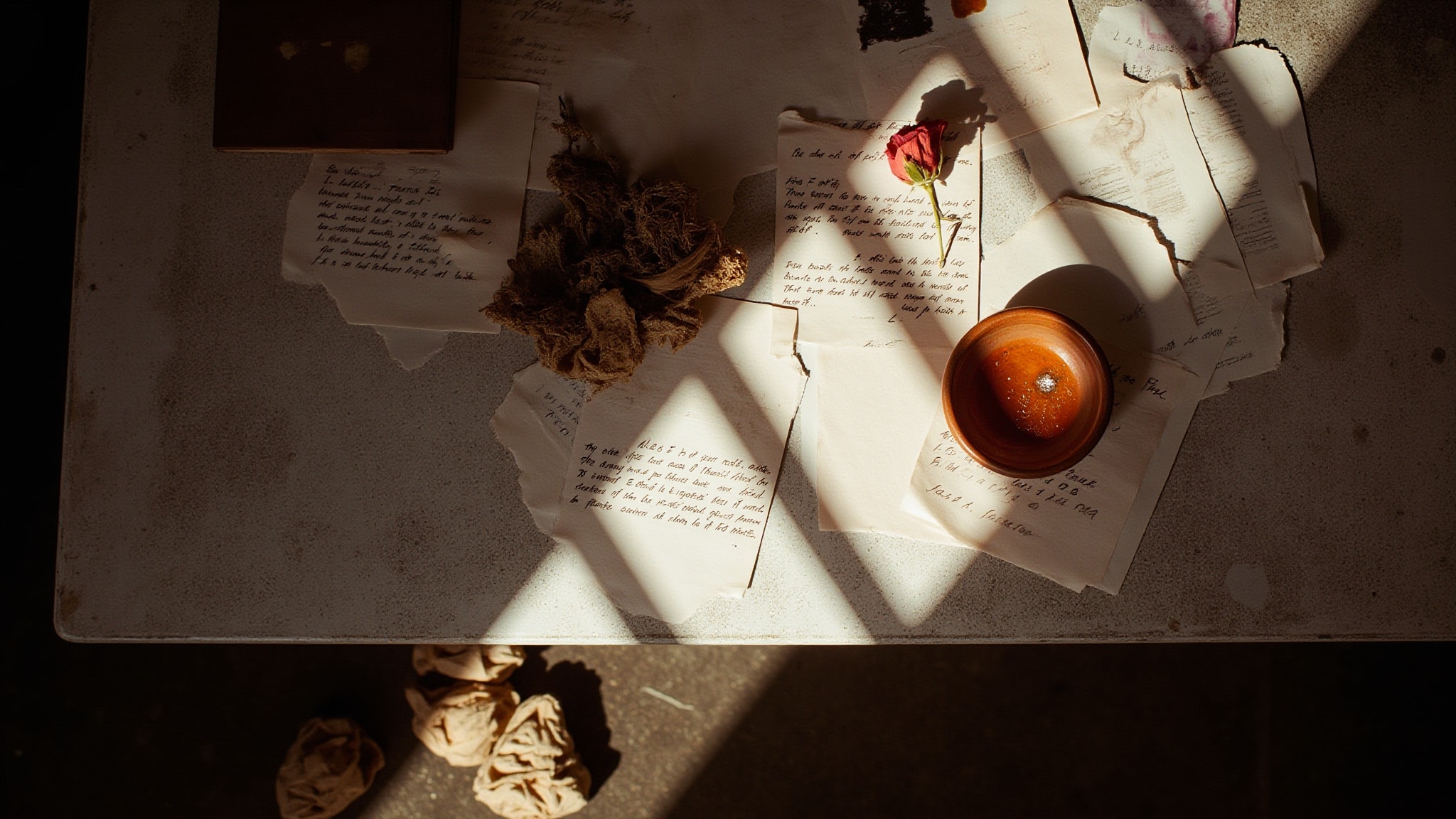
Maison Nicolas de Barry built its identity on resurrection, bringing the scented presence of historical figures back to skin. George Sand, born Amantine Dupin in 1804, was perhaps the house's most fascinating subject. A woman who cross-dressed in public, smoked cigars in Parisian cafes, and wrote some of the 19th century's most consuming novels under a masculine pseudonym. Nicolas de Barry didn't want to recreate a perfume she wore. He wanted to recreate the aura she left in rooms, the smoke, the paper, the flowers on her desk that she refused to arrange conventionally. The result, launched in 2003, is an oriental that refuses to be polite.
What makes L'eau de George Sand work is the tension in its construction. Traditional oriental fragrances lean heavy, resins, sweetness, warmth stacked until the wearer becomes a cloud. Here, de Barry inverted the formula. The citrus top note isn't decorative; it's confrontational. Bergamot and Sicilian lemon arrive sharp and stay that way longer than expected, refusing to submit to what comes below. The patchouli doesn't sweeten into a chypre, it stays earthy, almost raw, anchoring the rose that might otherwise float into cliché. The oud appears in the base but doesn't dominate; it grounds rather than announces. The result is a fragrance that smells like a decision was made and not reversed.
The evolution
The opening is the statement. Bergamot and Sicilian lemon arrive together, not taking turns, a double injection of citrus that reads almost astringent on some skin, bright and sharp on others. Twenty minutes in, the patchouli begins its slow takeovers. This isn't the patchouli of the 1960s hippie generation; it's darker, more mineral, with an edge that the rose doesn't soften so much as complicate. The rose itself is interesting, not damask-bright, not Turkish-delicate, but something drier, almost stemmy, as if the flower was just picked and hasn't yet decided to be beautiful. By hour three, the amber and oud have emerged. The fragrance shifts from confrontation to conversation. On the skin, it settles close, this is not a fragrance that fills a room, but one that rewards proximity. The drydown, four to six hours in, is where it becomes intimate: warm skin, faint musk, the ghost of something resinous that doesn't quite resolve into sweetness. On fabric, it lingers longer, holding the patchouli-earth note like an old book's spine smell that refuses to fade.
Cultural impact
L'eau de George Sand occupies a specific niche in the oriental category, not the blockbuster projection of Amouage or Serge Lutens, but something more personal, more literary. It appeals to wearers who want fragrance to tell a story rather than announce a presence. In the context of the house's historical recreation philosophy, it represents de Barry's most successful balancing act: a figure who was masculine and feminine, conventional and transgressive, and a fragrance that refuses to resolve those contradictions neatly.