The Story
Why it exists.
The beginning
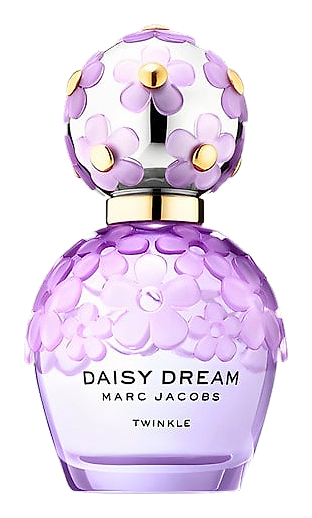
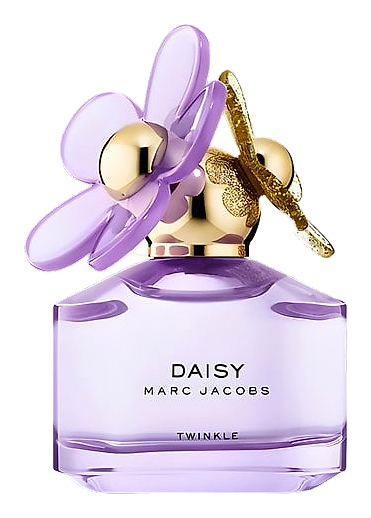
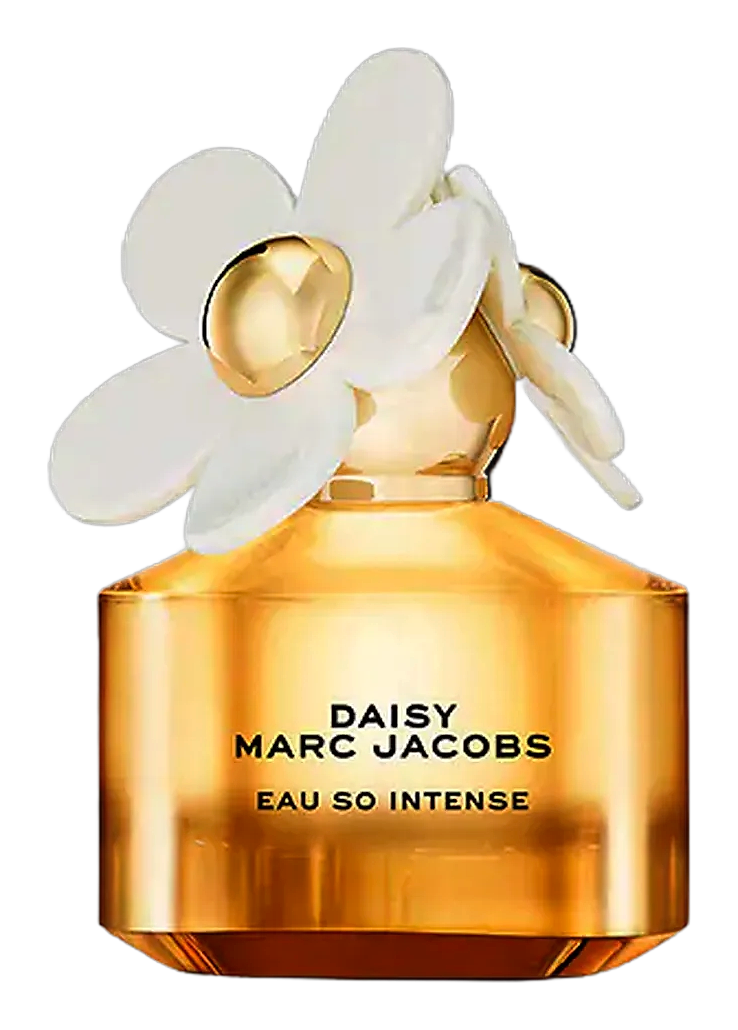
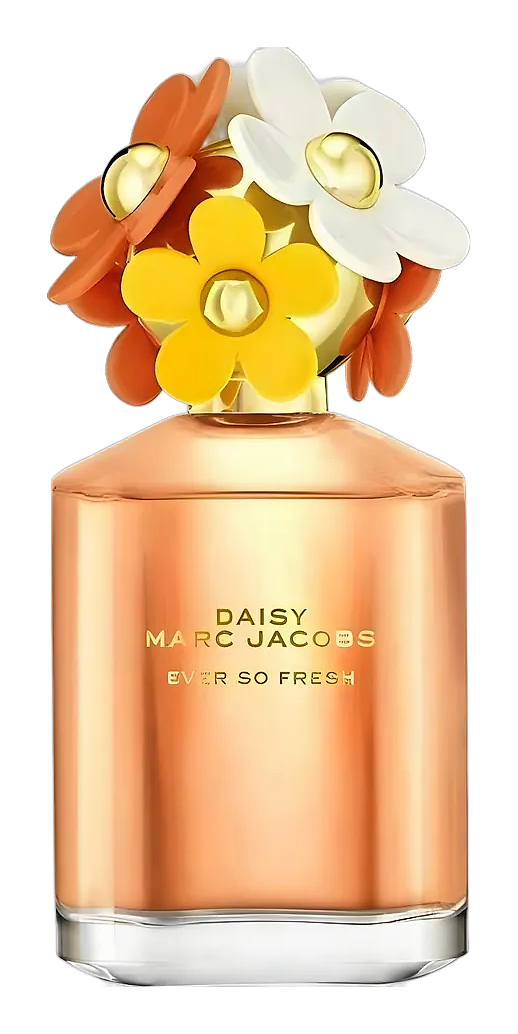
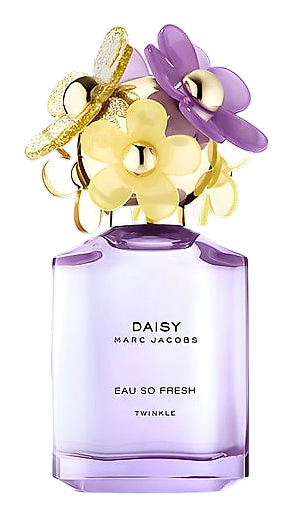
The 2017 Daisy Eau So Fresh Twinkle arrived as part of Marc Jacobs' ongoing conversation with the original Daisy, a fragrance that had already spawned enough variations to fill a small flower shop. Alberto Morillas, the nose behind the original, returned with a clear directive: more sparkle. The Twinkle edition took the fresh-fruity template that made the original so wearable and turned up the dial on the sweet-powdery axis, adding a blackcurrant liqueur base that gave the composition something to lean against when the raspberry and violet threatened to float away entirely.
The blackcurrant liqueur (crème de cassis) is the quiet decision that makes everything else work. It's not a note you smell directly, it's more like a density, a depth that prevents the raspberry from reading as candy and the violet from reading as old-fashioned. The whipped cream that appears in some accord listings isn't a literal cream note; it's a lactonic quality that gives the drydown its softness. This is a composition built around restraint, all the sweetness is there, but it's been carefully measured so it never spills over.
The evolution
The opening hits bright and immediate, raspberry with a slight tartness that keeps it from smelling like a fruit cup. Within twenty minutes, the violet arrives and the sweetness takes on a powdery quality, like the inside of a velvet box. The wild rose doesn't announce itself so much as it softens the transition, a gentle handoff from fruit to floral. The blackcurrant liqueur becomes more apparent in the drydown, adding a subtle tartness that lingers close to the skin for four to six hours. It doesn't fill a room, it marks you when someone leans in.
Cultural impact
Daisy Eau So Fresh Twinkle occupies a specific space in the Daisy lineup, it's the one for people who want more sweetness, more sparkle, more of the powdery quality that makes violet such a polarizing note. The limited edition status gives it a collector's appeal, though the composition itself is approachable enough that it works as a entry point for anyone curious about the Daisy universe.
The House
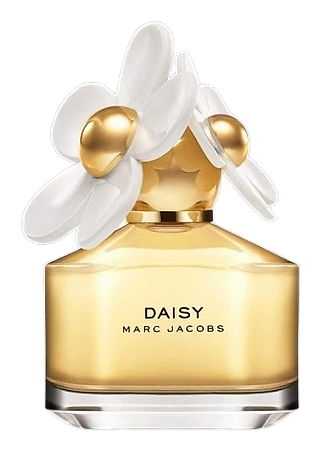
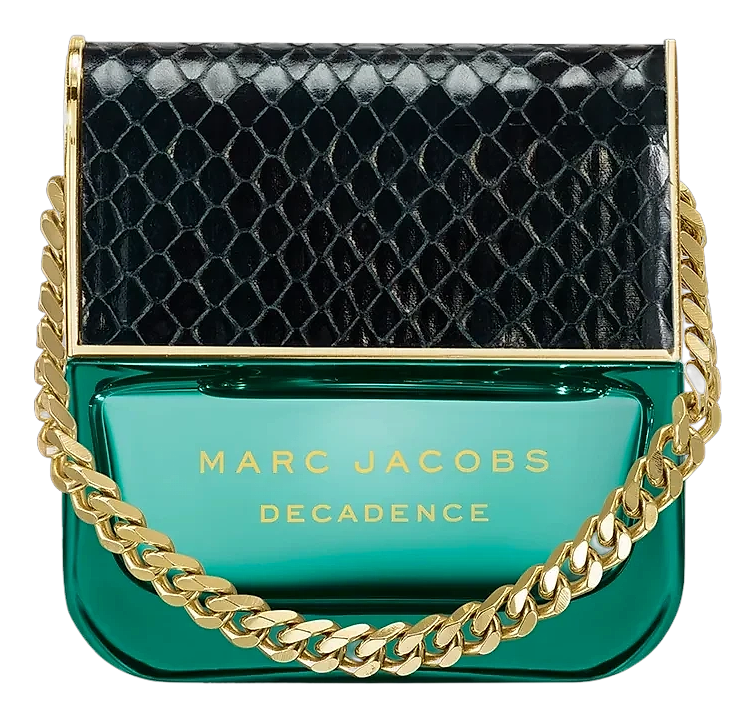
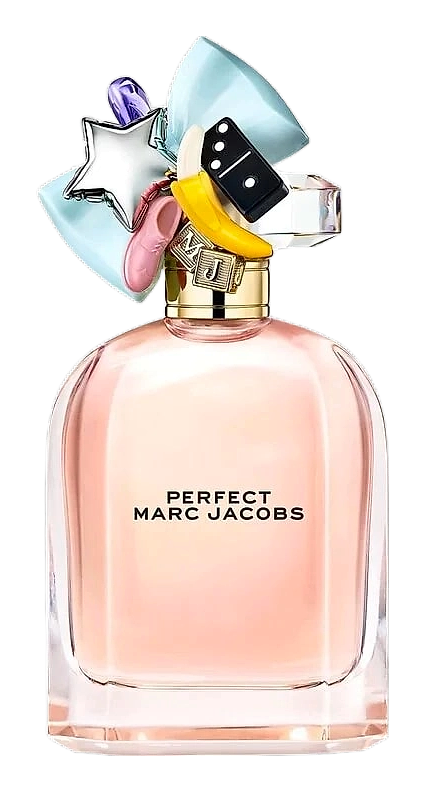
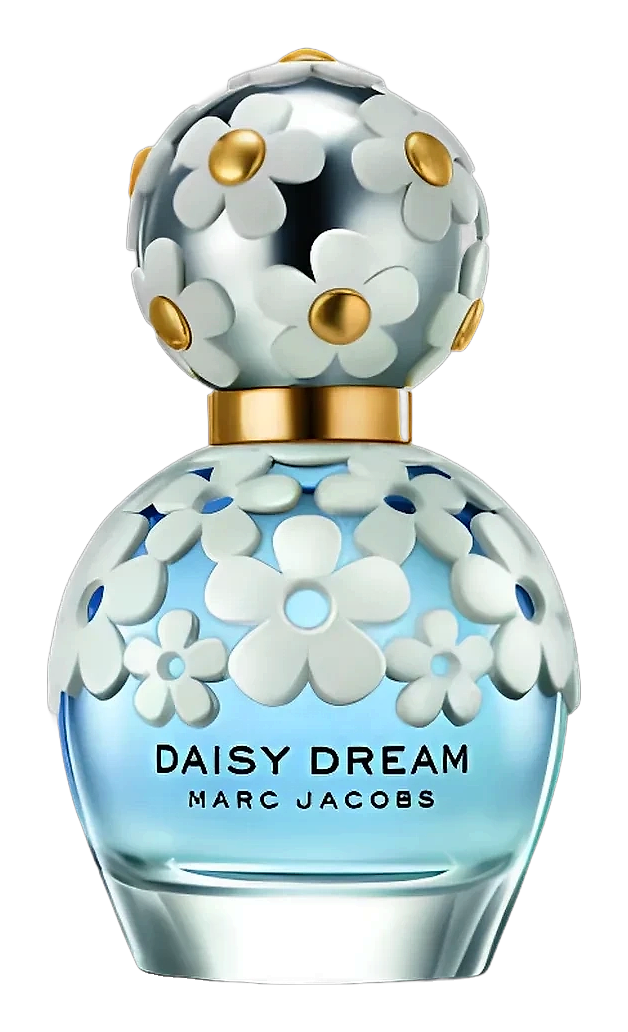
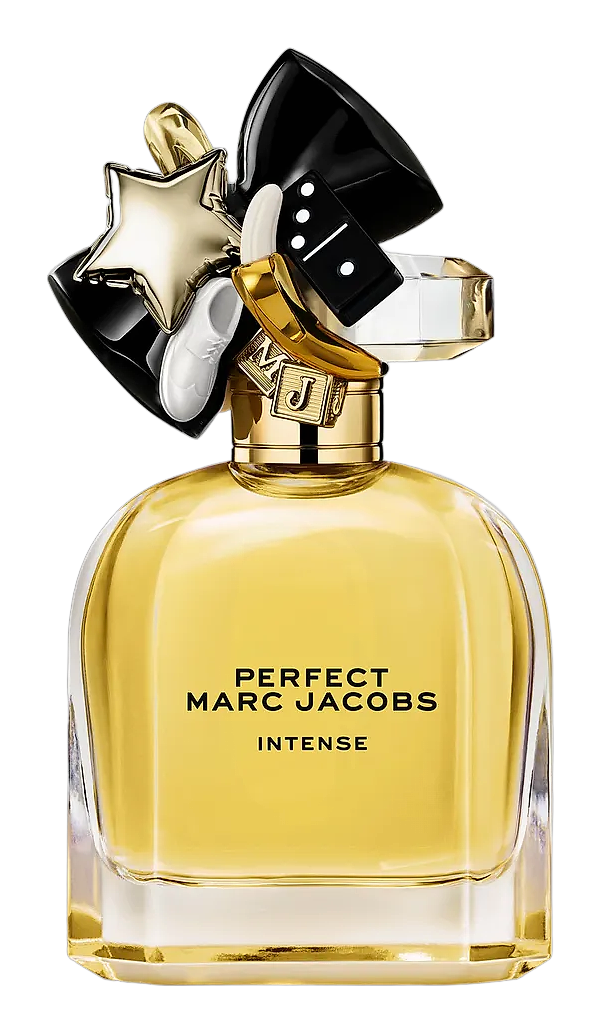
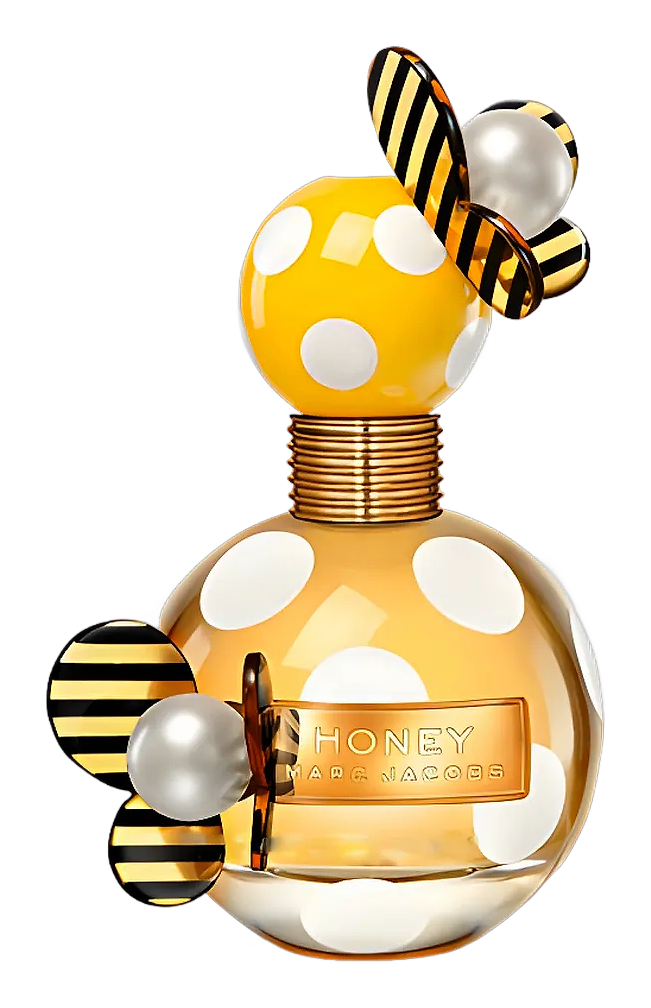
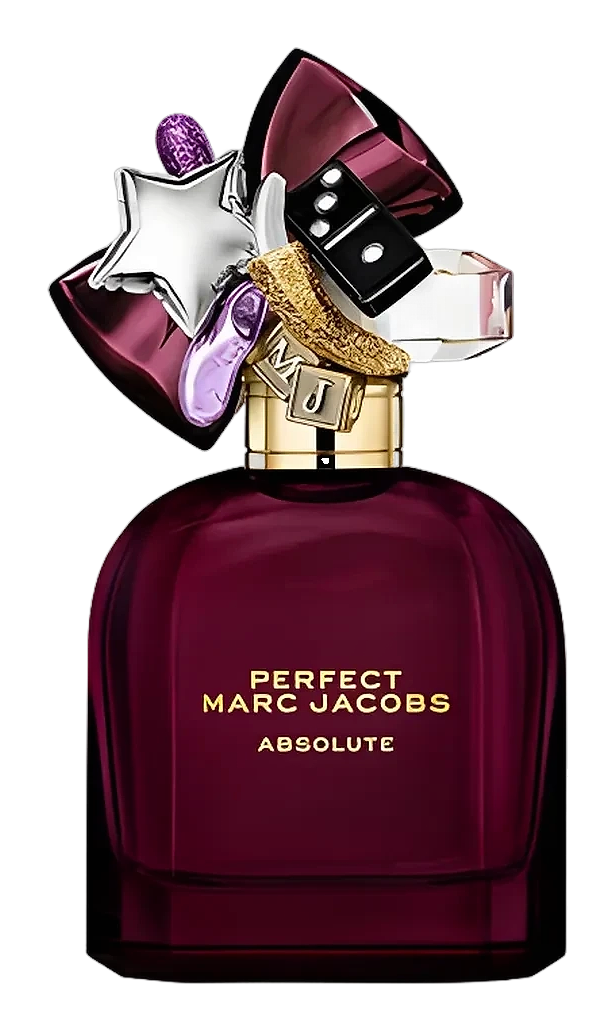
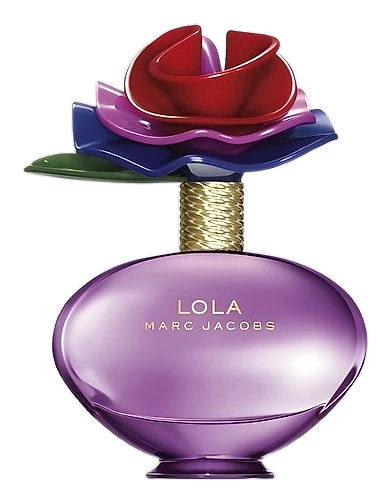
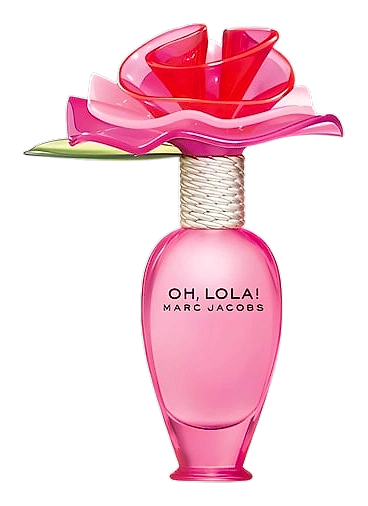
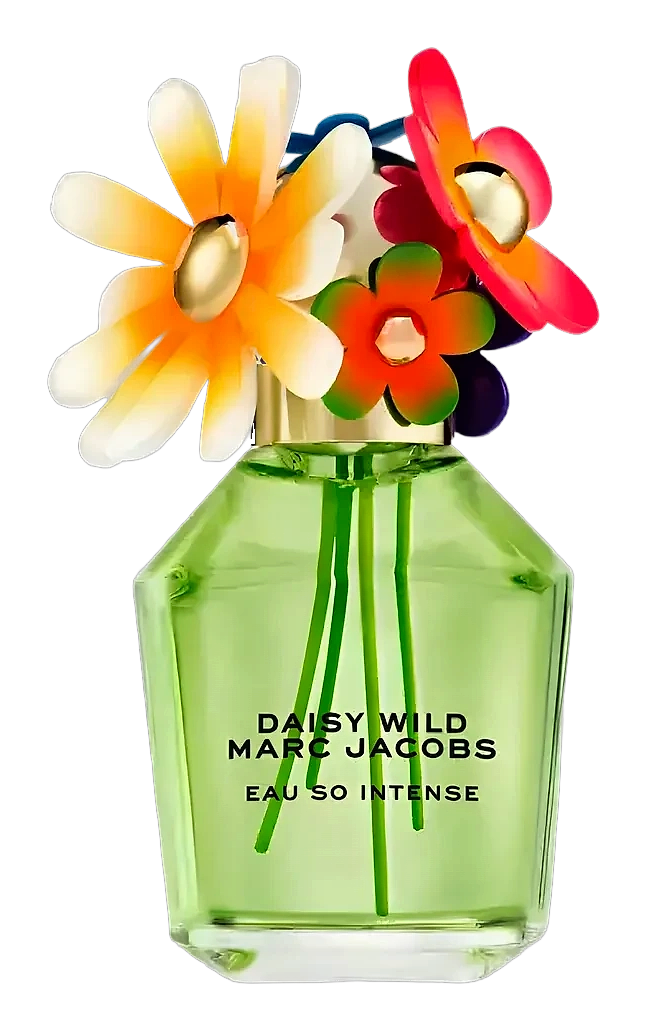
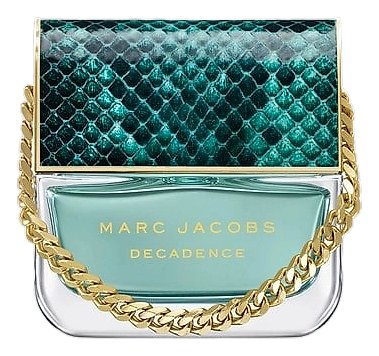
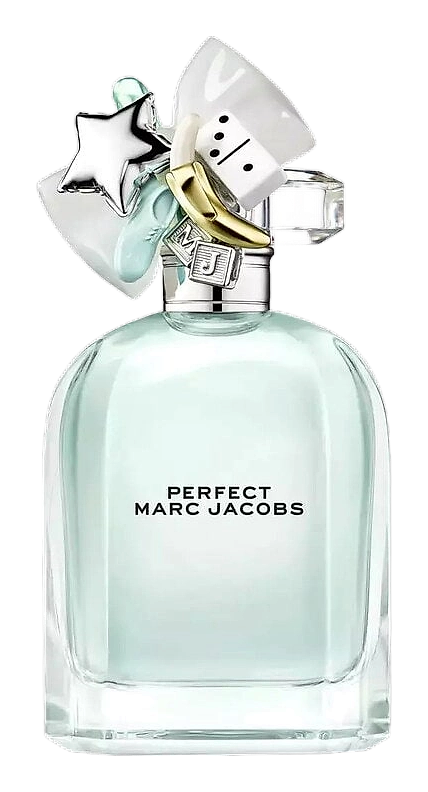
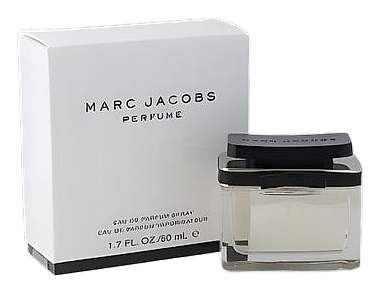
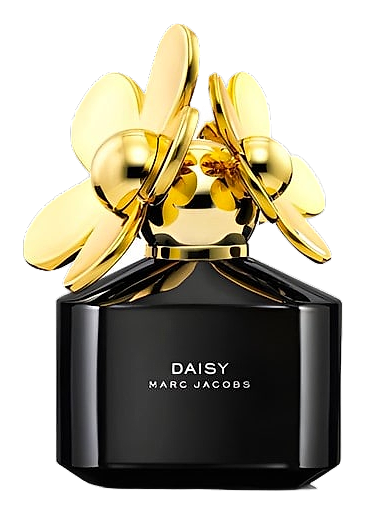
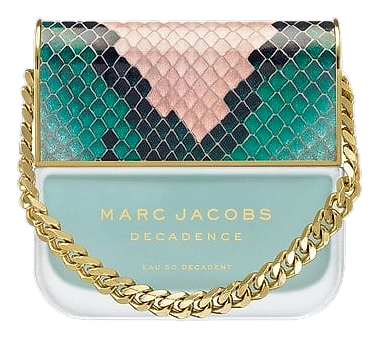
Marc JacobsMarc Jacobs fragrances, produced under license by Coty, launched in 2001 with Marc Jacobs for Women, followed by a companion men's scent in 2002. The brand has since built an extensive portfolio of fragrances anchored by signature lines including Daisy (2007), Lola (2009), Decadence (2015), and Perfect (2020). Daisy, named after Daisy Buchanan from F. Scott Fitzgerald's The Great Gatsby, quickly became a defining success for the brand, spawning numerous flankers and variations across multiple collections. The line's visual identity, with its oversized daisy cap atop a clean bottle, became one of the most recognizable silhouettes in contemporary perfumery. Decadence introduced a handbag-shaped bottle on a gold tasselled chain, a notably unconventional vessel for fragrance at the time of its launch. The brand has collaborated with a broad roster of perfumers over the years, including Annie Buzantian, Ann Gottlieb, Steve DeMercado, Loc Dong, Alberto Morillas, and Calice Becker, among many others. Marc Jacobs fragrances are available at major department stores worldwide and online.
The Creator
Alberto MorillasMorillas' style is characterized by a luminous transparency and a masterful use of musks. He often incorporates citrus notes to create a bright, uplifting effect.