The Story
Why it exists.
The beginning
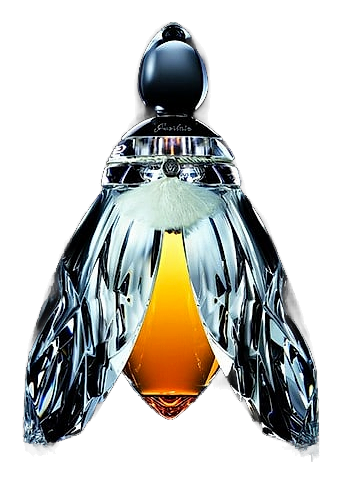
Rêve de Lune translates to Dream of the Moon, and it arrived in 2012 as part of Guerlain's Pièces d'Exception collection, a series reserved for the house's most considered, limited creations. This particular iteration, L'Abeille aux Ailes Argent, the silver-winged bee, became the vessel for a floral-sweet composition built around a very specific flower: the carnation. The bee flacon, with its silver wings, places this fragrance firmly in the collectible conversation. The carnation itself is a curious choice for a centerpiece, a note that carries the weight of old European perfumery without ever commanding the spotlight the way rose or jasmine do. It smells like cloves caught in velvet, spiced and slightly powdery, with a savory edge that reads more sophisticated than sweet.
What makes the structure interesting is the tension between aldehydes and warm balsamic resins. Aldehydes bring a soapy, almost metallic sparkle, the kind of vintage buzz that feels deliberate rather than dated, and pairing them with carnation, orange blossom, and a vanilla-tonka base pulls the composition into a territory that feels both classical and considered, not nostalgic for nostalgia's sake. The bitter orange at the top keeps it from drifting too sweet, cutting through with a clean, zesty snap that demands attention before the florals take over.
The evolution
The first ten minutes belong to the aldehydes, and they're assertive, almost fizzy, like carbonation on the skin. Bergamot and bitter orange cut through with a clean, slightly bitter brightness, the kind of opening that makes someone across the table glance up. By the thirty-minute mark, the aldehydes have softened into something more textured, and the floral heart takes over. Carnation leads here, clove-spiced and velvety, joined by orange blossom's indolic warmth and ylang-ylang's sun-warmed fullness. Jasmine threads through but never dominates, more a whisper than a statement. The drydown begins around the two-hour mark, and this is where the composition settles into its longest chapter. Vanilla and tonka bean create a soft, almost edible warmth, and the resins add a quiet depth that keeps the sweetness from tipping. It doesn't vanish.
Cultural impact
Rêve de Lune belongs to Guerlain's Pièces d'Exception, a limited release within the brand's portfolio. The carnation focus gives it a distinctive place in that lineup, a note with a slightly off-center, old-fashioned charm that reads as deliberate rather than dated. Wearers tend to describe it as a scent for someone who already knows what they like and isn't trying to make a statement, a fragrance that rewards attention rather than demanding it. The bee flacon, with its silver wings, adds another layer of collectibility, turning the bottle itself into part of the conversation.
The House
GuerlainGuerlain stands as one of the oldest and most revered perfume houses in the world, founded in Paris in 1828 by Pierre-François-Pascal Guerlain. What began as a boutique on rue de Rivoli quickly became the preferred destination for Parisian society, attracting dandies and elegant women who sought custom-crafted fragrances. The house's influence grew to such heights that Guerlain earned the title of Official Perfumer to Napoleon III after presenting Eau de Cologne Impériale to Empress Eugénie as a wedding gift in 1853. This royal patronage marked the beginning of Guerlain's enduring association with European aristocracy, as the house went on to create fragrances for Queen Victoria and Queen Isabella II of Spain. Today, under the creative direction of Thierry Wasser, the fifth-generation perfumer, Guerlain continues to shape the landscape of fine fragrance with a portfolio spanning over 1,100 olfactory creations. The house remains headquartered at its legendary Champs-Élysées mansion, a historic monument that anchors Guerlain's position at the intersection of heritage and contemporary luxury.
The Creator
Thierry WasserWasser gravitates toward green, crispy notes and the bold florals Guerlain is known for. Bulgarian rose appears repeatedly in his work, and he travels annually to oversee the harvest in Kazanlak.