The Story
Why it exists.
The beginning
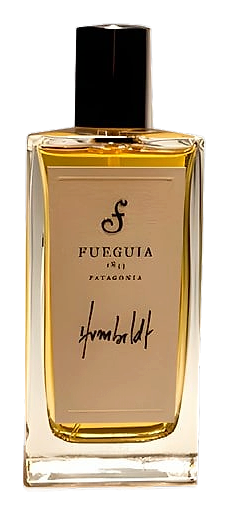
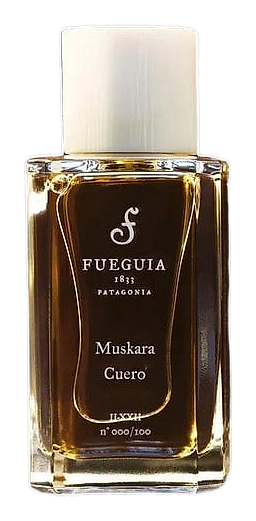
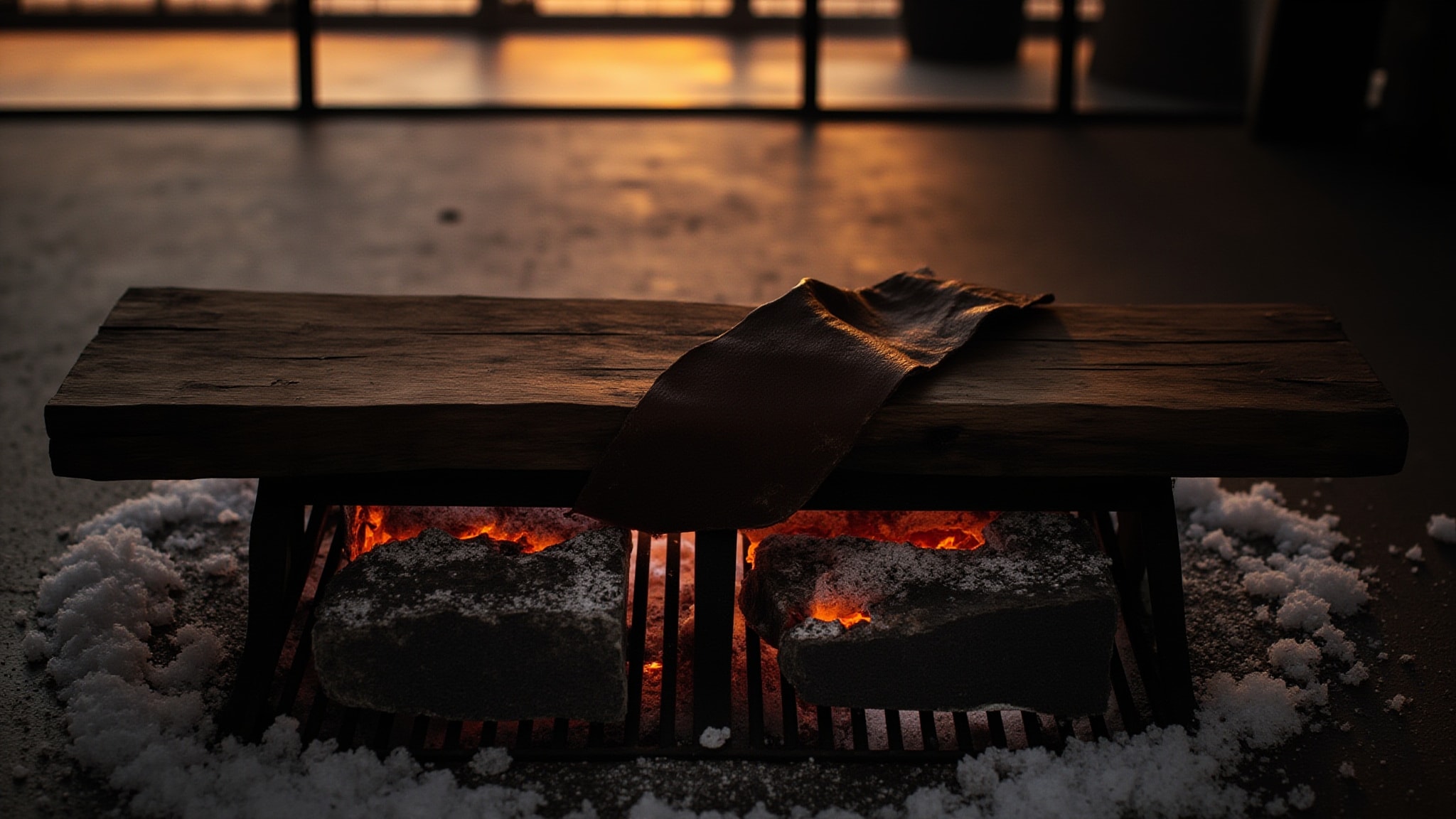
Muskara Cuero launched in 2018 as part of Fueguia 1833's Muskara collection, a line dedicated to translating raw sensory experiences into botanical form. The premise behind the series is that every animalic or primal scent in perfumery, leather, musk, honey, can be reconstructed from vegetal materials harvested in Patagonia. The composition stays faithful to that thesis. Fire, meat, and salt at the top aren't decorative, they're the literal elements that produce the scent of leather in the real world. What emerges on skin is an exercise in material honesty. The opening reads almost elemental: a flare of smoke laced with the savory weight of charred flesh, cut through by a mineral saltiness that grounds the composition in something physical rather than abstract.
The Muskara approach treats leather as a phenomenon worth reconstructing rather than a note to be approximated. Rather than reaching for established conventions, the composition conjures the same effect through a controlled burn: fire as the catalyst, salt as the mineral edge, and a single heart of leather to anchor the drydown. The fire in the opening feels catalytic, the kind of heat that transforms raw material into something recognizable. Salt arrives as a mineral counterweight, keeping the smoke from drifting into abstraction.
The evolution
The first 15 minutes are confrontational. Fire and meat arrive together, almost carnal, with a saltiness that reads less like sea air and more like the residue of something that just stopped burning. There's no easing in. The smoke is thick and immediate, carrying a wet, organic weight that clings close to the skin. Salt cuts through at unexpected moments, bright and mineral, pulling the composition back from the edge of pure char. By the 30-minute mark the heart steps forward: a dense, smoky leather that softens the opening without erasing it. The meatiness retreats but never fully leaves, it settles underneath like embers under ash. The leather here feels less like a finished material and more like a stage in a process, warm, slightly sticky, still carrying the heat that shaped it.
Cultural impact
Muskara Cuero occupies a strange and deliberate corner of the fragrance world. It reads as something apart from the usual categories, neither a traditional European leather composition nor a conventional niche release. There's an experimental quality to it that resists easy classification, a roughness and conceptual weight that places it outside the usual hierarchies of leather perfumery. The fragrance tends to attract a specific kind of attention. It appeals to those who approach scent as a form of inquiry rather than a finishing touch, people drawn to compositions that raise questions rather than simply decorating the wearer.
The House
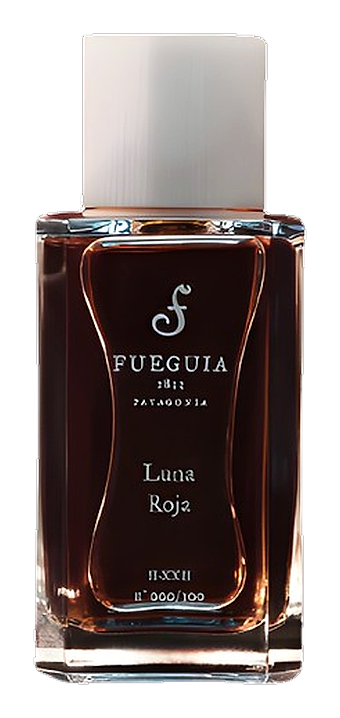
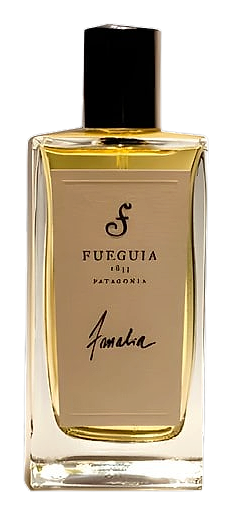
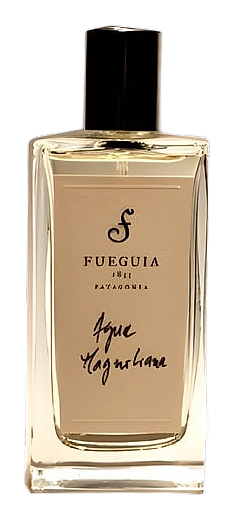
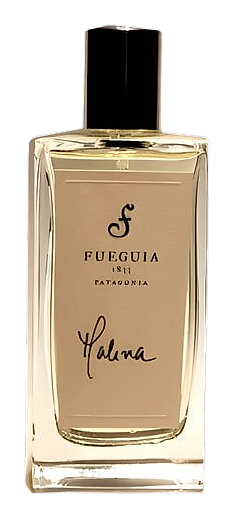
Fueguia 1833Fueguia 1833 is an Argentine fragrance house that creates limited‑edition scents rooted in the botanical heritage of Patagonia. Each perfume draws on medicinal plants harvested from the region’s wild landscapes, and the brand presents its creations as vintage‑style bottles that evoke a sense of travel and memory. The house operates a vertically integrated supply chain, growing, extracting and bottling its own raw materials, which allows it to maintain tight control over quality and environmental impact. Its collections, such as Rosa de los Vientos (2018) and Oud Jungle (2022), have attracted collectors who value authenticity and a narrative that links scent to place.
The Creator
Julian BedelJulian favors a palette that mixes rare South American botanicals with classic European absolutes. He often extracts essential oils from medicinal herbs such as catuaba, calafate and patagonian tea, then anchors them with ambergris, cedar and fine musks.