The Story
Why it exists.
The beginning
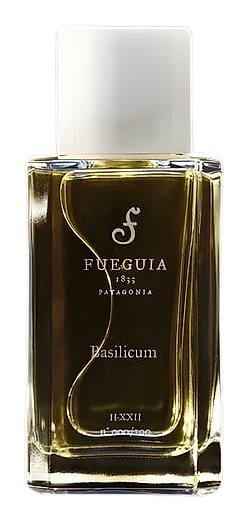
Basilicum belongs to the Linneo collection, Fueguia 1833's tribute to botanical taxonomy, where each scent takes its name from a single plant and treats it like a field study. The fragrance was released in 2018 as part of a project that draws directly from Linnaean tradition, giving each plant its own dedicated composition rather than mixing it into a blend where its identity might disappear. Basil is a familiar ingredient, but here it is presented almost as a specimen, examined for what it actually smells like rather than what we expect from cooking or from basil-scented products in general. The composition takes the plant's raw aromatic state seriously, the way it smells when you crush a leaf between your fingers, before any kitchen context or culinary association takes over.
Many basil fragrances build on the herb's sweetness, layering it with warm, ambery, or gourmand bases that round it into something cozier. This one resists that pull. The citrus ingredients, bergamot, tangerine, and lemon, open the fragrance with a sharp, almost effervescent brightness, and the lavender threads through the composition as a quiet herbal note rather than a dominant floral. The brand's own description calls it salty and aromatic, and the effect matches that description closely.
The evolution
The first spray lands bright and immediate, a burst of citrus where bergamot and tangerine push forward with sharp, almost mouthwatering juiciness, and lemon cuts in just behind them with a clean acidic snap. Within minutes the basil begins to surface, and as it does the citrus shifts from loud to luminous, settling into something cooler and more vegetal. The lavender never really announces itself; it reads more like a quiet thread woven through the middle, softening the edges where basil and citrus meet rather than standing on its own. As the composition moves into its later phase, everything tightens. The bright top notes recede, and what's left is a close, slightly creamy green warmth, the smell of basil after it has dried down on skin rather than the fresh-crushed version from the opening.
Cultural impact
Basilicum takes a humble, everyday plant and treats it as a subject worth a whole fragrance, which gives it a particular kind of quiet authority. There aren't many scents built this simply around basil, and the restraint shows in how the composition behaves. Rather than burying the ingredient under layers of sweetness or musk, the fragrance keeps basil visible from the first spray through the final drydown, supported by citrus and a whisper of lavender that frame it without competing. That transparency makes Basilicum especially interesting for anyone curious about what a single aromatic note can actually do when it isn't dressed up.
The House
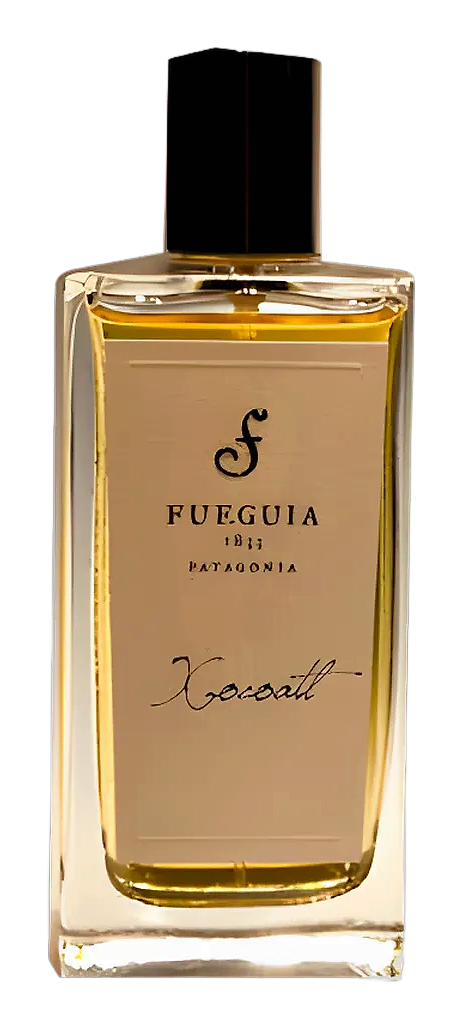
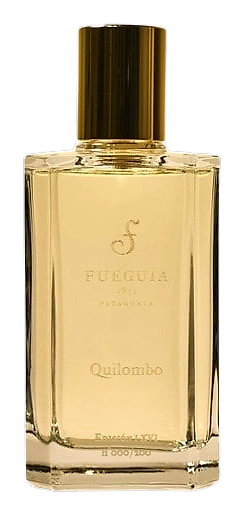
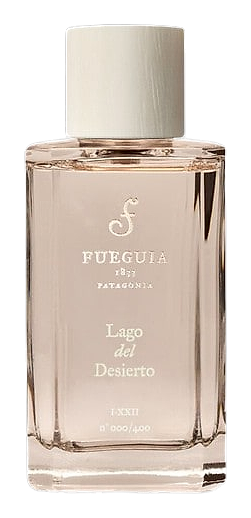
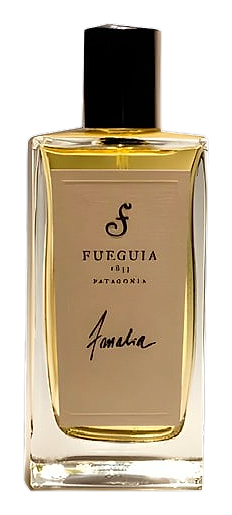
Fueguia 1833Fueguia 1833 is an Argentine fragrance house that creates limited‑edition scents rooted in the botanical heritage of Patagonia. Each perfume draws on medicinal plants harvested from the region’s wild landscapes, and the brand presents its creations as vintage‑style bottles that evoke a sense of travel and memory. The house operates a vertically integrated supply chain, growing, extracting and bottling its own raw materials, which allows it to maintain tight control over quality and environmental impact. Its collections, such as Rosa de los Vientos (2018) and Oud Jungle (2022), have attracted collectors who value authenticity and a narrative that links scent to place.
The Creator
Julian BedelJulian favors a palette that mixes rare South American botanicals with classic European absolutes. He often extracts essential oils from medicinal herbs such as catuaba, calafate and patagonian tea, then anchors them with ambergris, cedar and fine musks.