
The Story
Why it exists.
The beginning
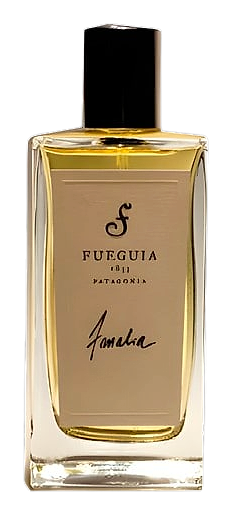
Julian Bedel created Amalia Primavera as a tribute to friendship, specifically, to a friend whose jasmine garden grew along the coast of Uruguay, where Asian and local varieties fraternized in the salt air. The fragrance carries that geography: the warmth of the coast, the density of jasmine in bloom, the particular light of a Uruguayan spring. It's a botanical portrait painted from memory and observation, named for someone who made the landscape worth remembering.
The jasmine here isn't reconstructed, it's the real thing, which matters. Hedione amplifies and extends the floral heart, giving the composition a fullness that single-molecule jasmine accords can't achieve. What transforms this from a straightforward floral into something with presence is the ambergris. Animalic, salty, warm, it doesn't dominate but rather deepens the entire composition, creating a base that holds the jasmine's brightness through hours of wear. The green notes in the opening aren't listed in the pyramid, but they're there: the stem, the leaf, the living plant rather than the picked flower.
The evolution
The first minutes are all jasmine, bright, almost heady, with a green edge that feels like morning dew. Hedione smooths the transition as the heart develops, giving the floral more volume without adding sweetness. Then, around the two-hour mark, the ambergris arrives. Not loud. A warmth that rises from skin, salty and animalic in the best way. The jasmine doesn't disappear, it settles underneath, becoming the ground rather than the sky. Six to eight hours later, what remains is this: jasmine dried to something almost honeyed, ambergris keeping it close to the skin, a scent that lived and evolved instead of just fading.
Cultural impact
Part of the Personajes collection, portraits of notable figures rendered in scent. Amalia Primavera sits apart from the era's louder florals: it doesn't compete for attention, which means it rewards attention. The kind of fragrance that becomes a signature for the person who chooses it rather than the person who was told to.