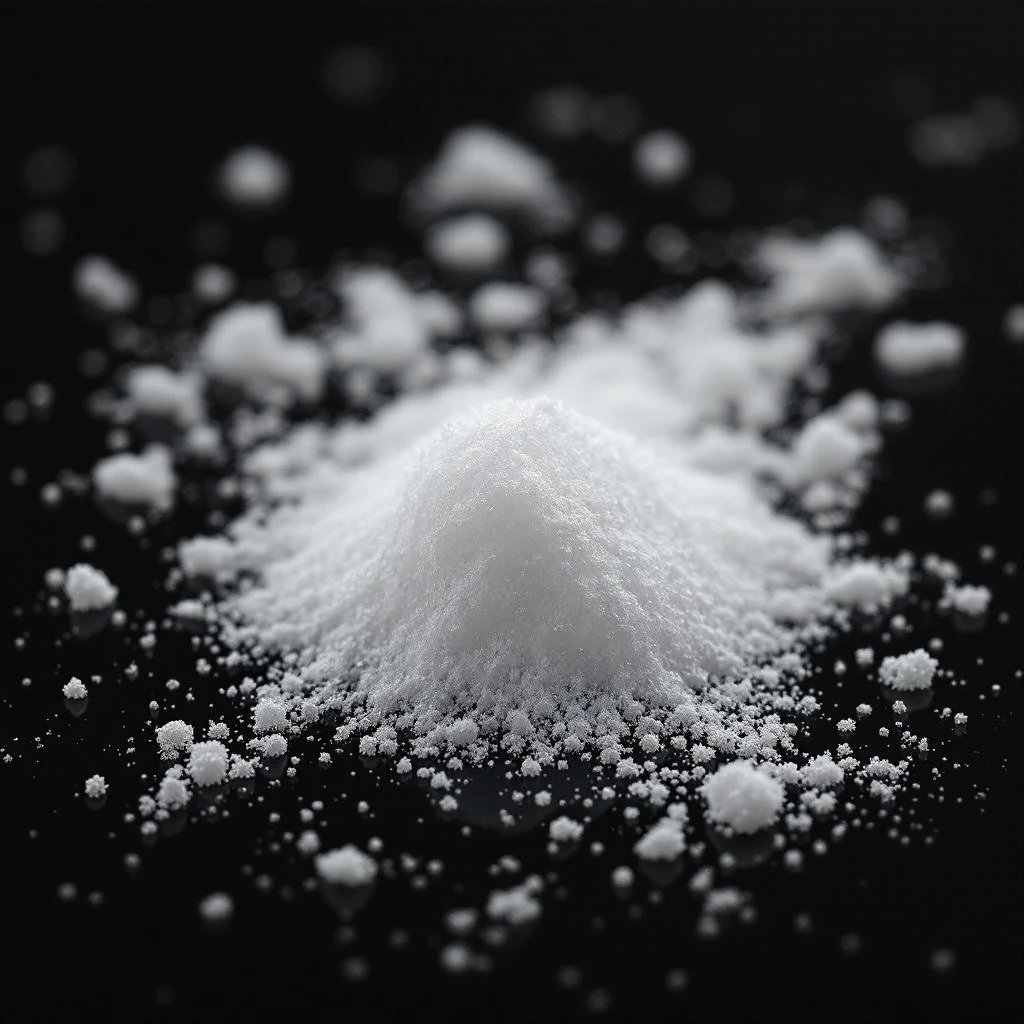
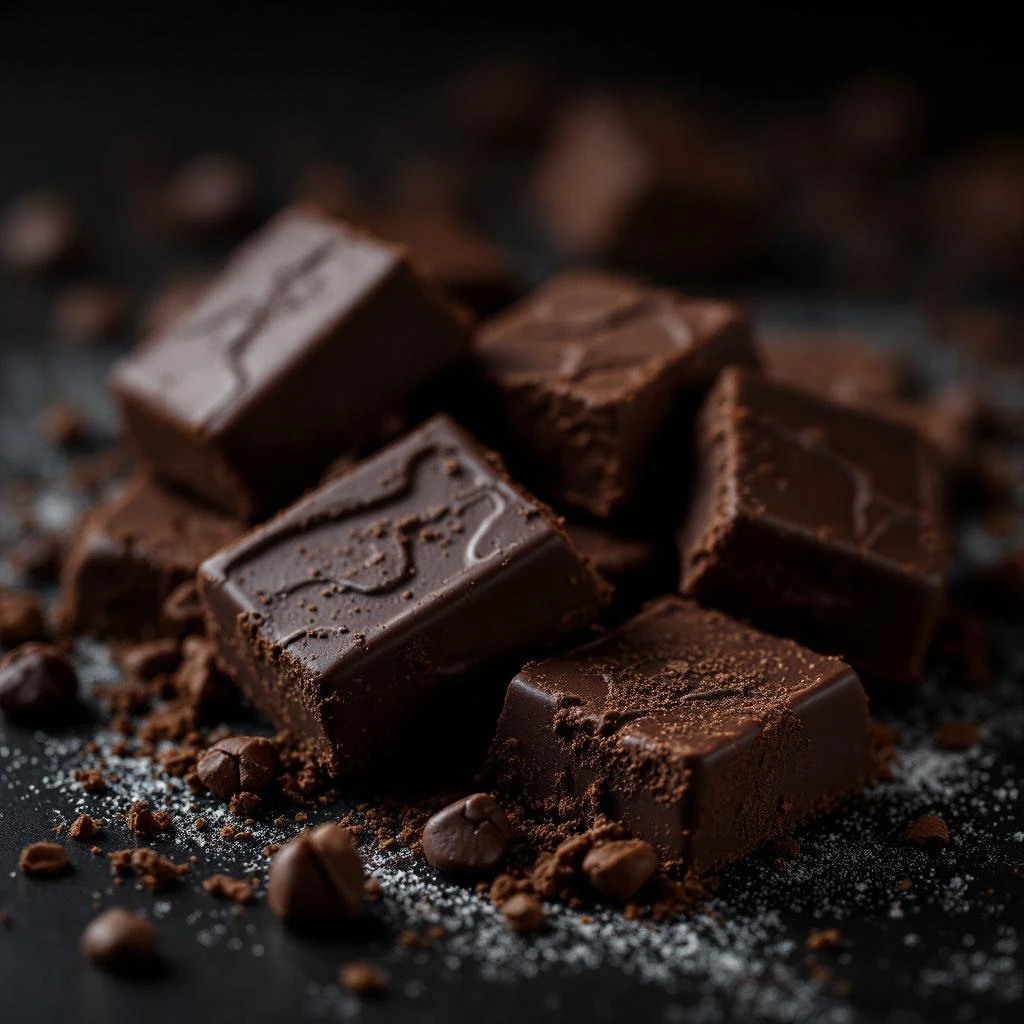
Meat
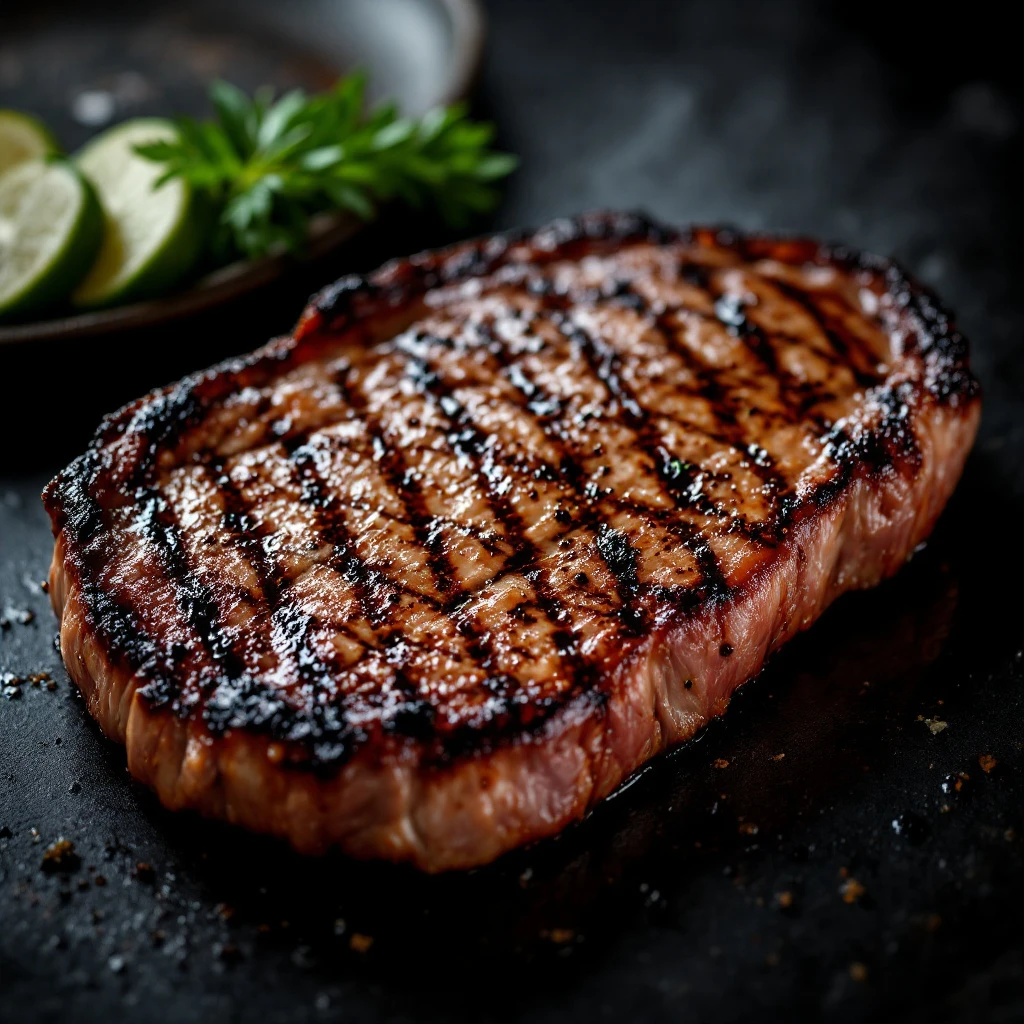
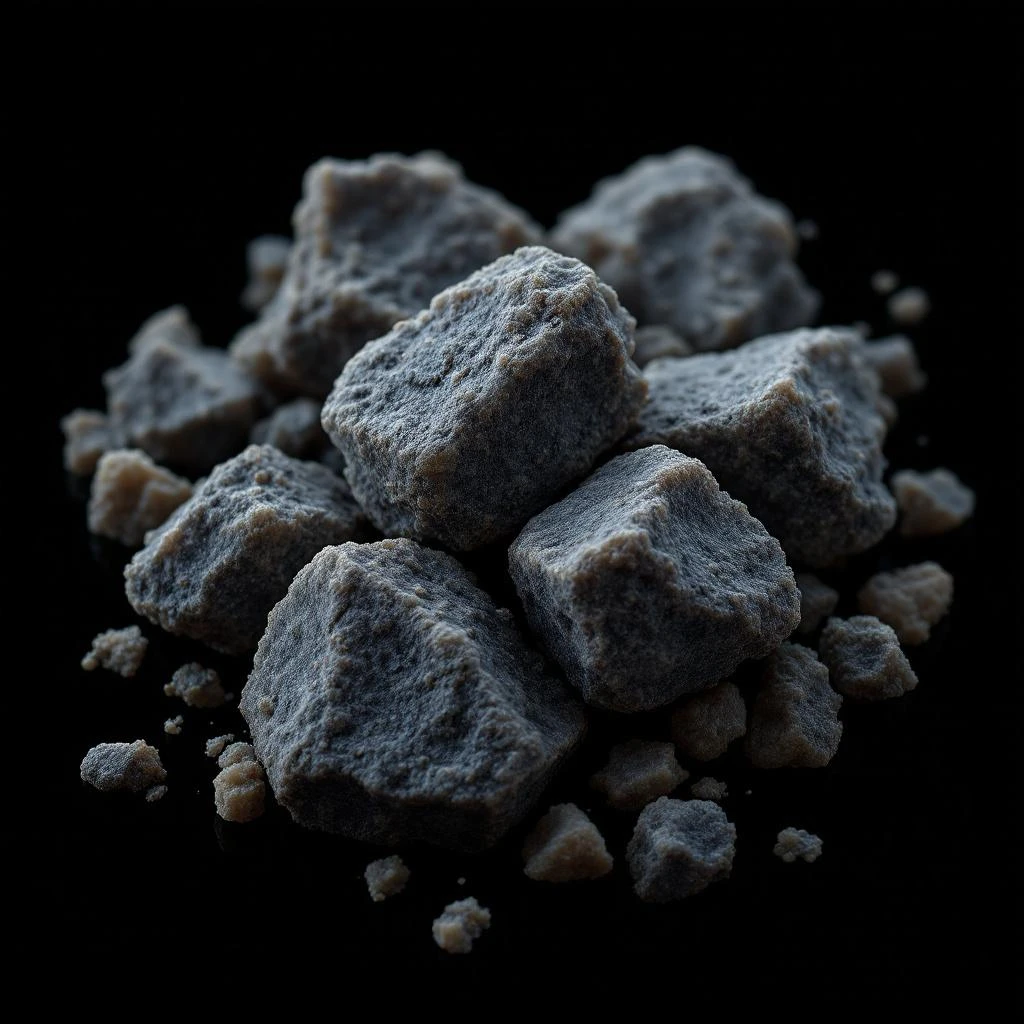
Meat notes in perfumery conjure warmth, depth, and primal immediacy. Synthetic compounds like indole and skatole create rich, savory undertones that anchor fragrances with unmistakable presence.
Character
How it smells
Savory, primal, and unapologetically bold.
Skatole, a key meaty compound, occurs naturally in orange blossoms at very low concentrations, giving them their mysteriously sweet undertone.
Pairs beautifully with


Origin
Germany
Perfumery discovered animalic qualities in natural ingredients centuries ago. Ancient Egyptian and Roman traditions used musk deer secretions and civet preparations to add depth to their fragrant compositions.
Mesopotamian perfumers valued beaver castoreum for its warm, leathery qualities. In 1888, the synthesis of indole marked a turning point, allowing perfumers to recreate animalic warmth without ethical concerns.
By the early twentieth century, skatole and pyrazines joined the perfumer's palette. Modern fragrance chemistry now produces meaty compounds through controlled industrial processes, making these primal, sensual notes widely accessible for the first time.
Wears it best
Fragrances featuring Meat
Brands
Brands known for Meat
Good to know
Questions, answered
The essentials on Meat in perfumery: how it smells, where it comes from, and how it behaves on skin.
What are meat notes in perfumery?
Meat notes are animalic aroma compounds like indole and skatole that create warm, savory, primal qualities in fragrance. These synthetic materials provide depth and sensuality without any animal ingredients.
How much meat compound is used in a typical fragrance?
Meat notes are used at low concentrations, typically under 2% of a fragrance formula. A small amount provides warmth and longevity; excessive use produces unpleasant fecal or chemical associations.
Do meat notes come from real animals?
No. Modern meat notes are entirely synthetic, produced through controlled industrial chemistry. Natural animal materials like civet or castoreum are restricted due to ethical and sourcing concerns.
What scent characteristics do meat notes provide?
Meat notes add warmth, depth, and animalic richness to fragrances. Skatole provides fecal warmth at low levels. Indole adds complexity. Alkyl pyrazines contribute savory, roasted qualities reminiscent of cooked meat.
Which fragrance families commonly use meat notes?
Oriental fragrances use meaty compounds most frequently, combining them with amber, vanilla, and spices. Leather and tobacco accords also feature these notes. Contemporary designers apply them across genders to create primal, sensual effects.
How long do meat notes last in a fragrance?
Meat notes are fixatives that persist through the dry-down phase, typically remaining detectable for 6-8 hours depending on concentration and skin chemistry. They anchor a fragrance and often become more pronounced as it evolves.
Are meat notes safe to use in perfumes?
Yes. Meat aroma compounds undergo extensive toxicological evaluation before commercial use. Regulatory bodies in the EU, US, and other regions require comprehensive safety data before approving these ingredients for consumer products.
Why do perfumers use meat notes?
Meat notes act as fixatives, slowing evaporation of lighter top notes and extending a fragrance's wear time. They add primal warmth and sensuality that makes scents feel more intimate and grounded on the skin.