Red champaca
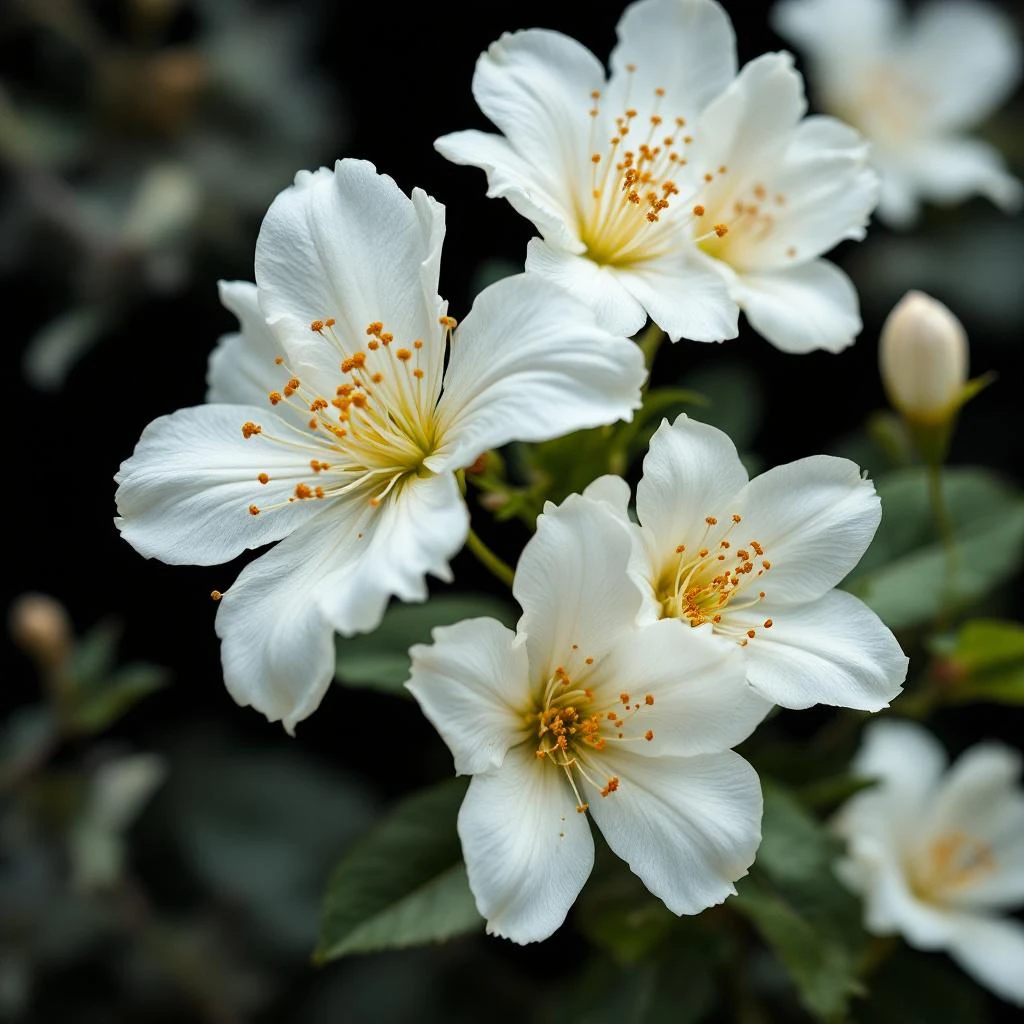
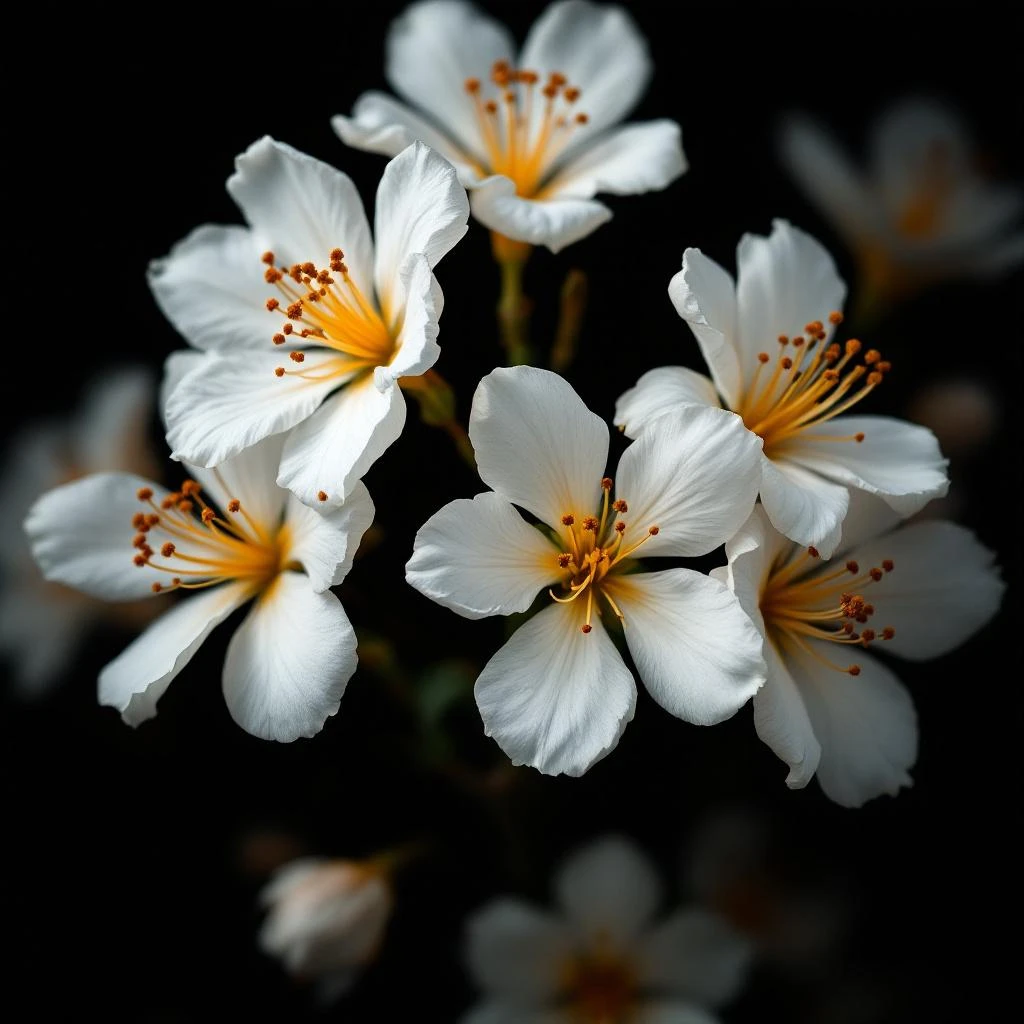
Red champaca absolute captures one of perfumery's most opulent florals. Derived from the golden blossoms of Magnolia champaca, this rare ingredient has defined luxury fragrances since its starring role in Jean Patou's Joy.
Character
How it smells
The golden blossom that crowned a legend.
Champaca absolute is produced only once every few years, making it one of perfumery's most间歇性供应的稀有原料。





Origin
India
Magnolia champaca originated in the Himalayan foothills and spread throughout South and Southeast Asia, where it has been cultivated for centuries. Indian and Chinese traditions prized the flowers for religious ceremonies and traditional medicine long before perfumery.
The ingredient's defining moment arrived in 1930 when Jean Patou selected red champaca absolute as a cornerstone of Joy, the fragrance that became synonymous with opulence. At the time of Joy's creation, it contained the highest concentration of natural ingredients ever used in a perfume.
Robertet, founded in 1850, has maintained production capabilities for this demanding ingredient. The flower's cultural significance extends beyond perfumery: it appears in Hindu wedding garlands and Buddhist offerings, linking it to centuries of spiritual tradition.
Wears it best
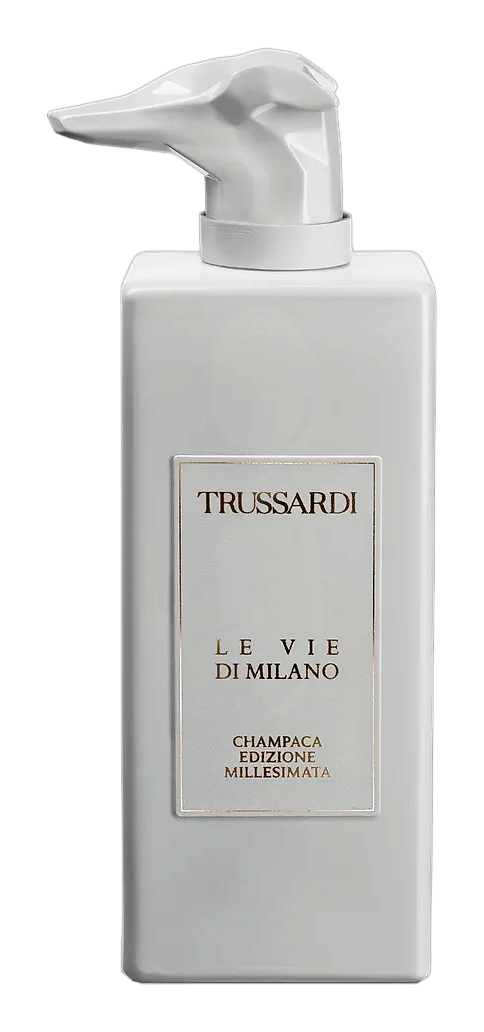
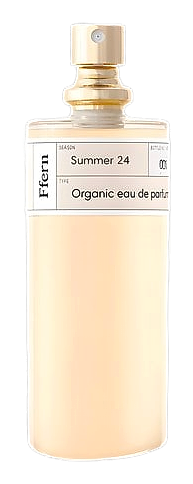
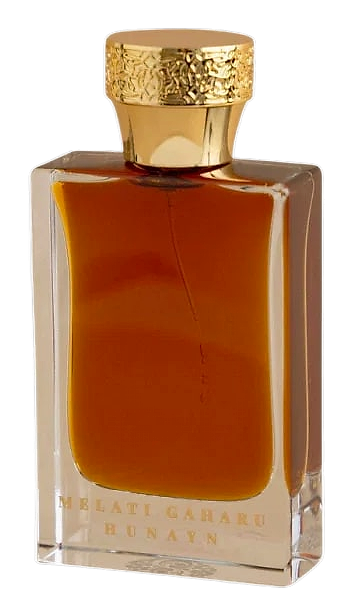
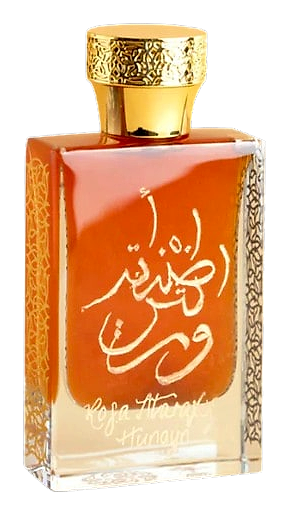
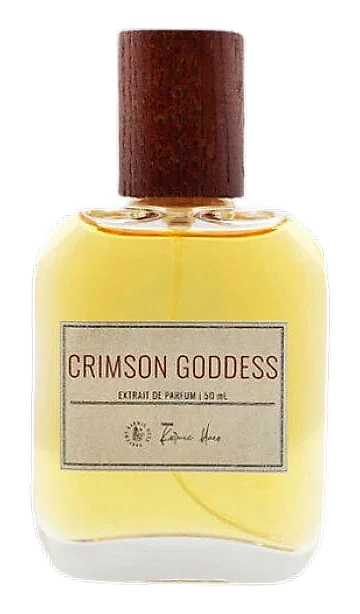
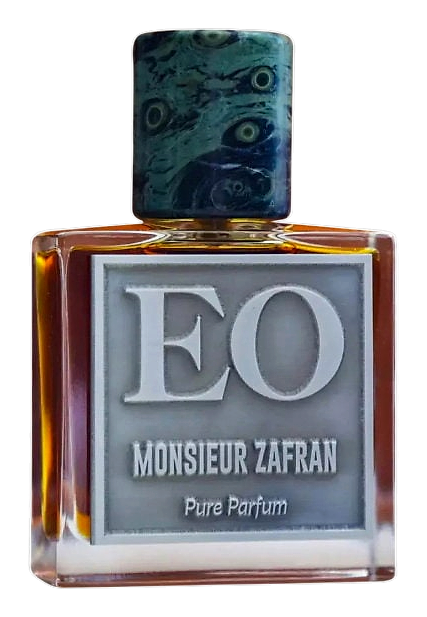
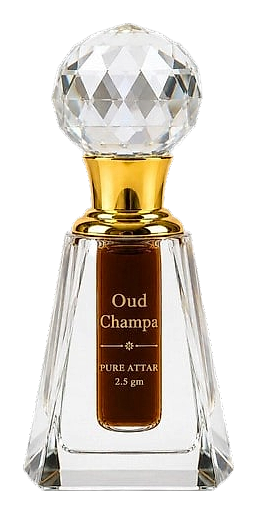
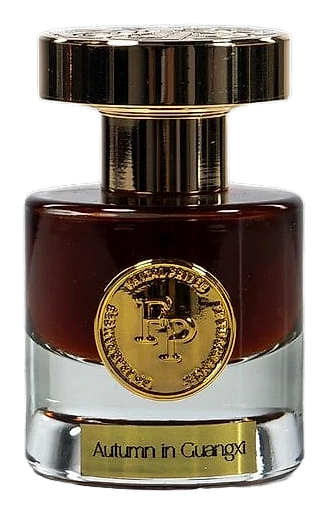
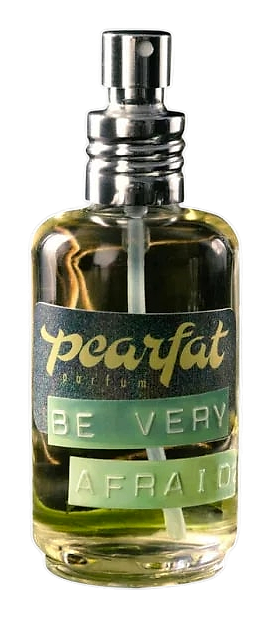
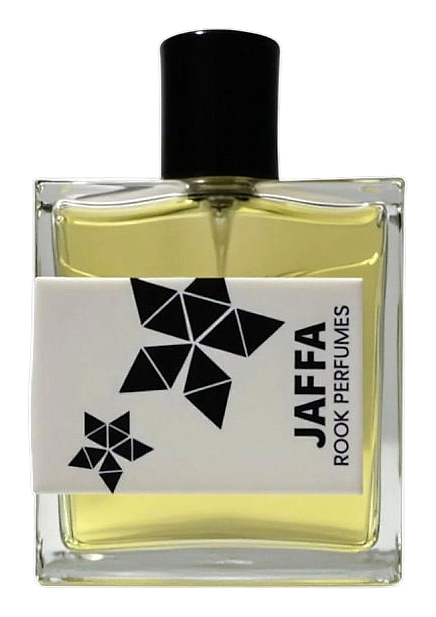
Fragrances featuring Red champaca
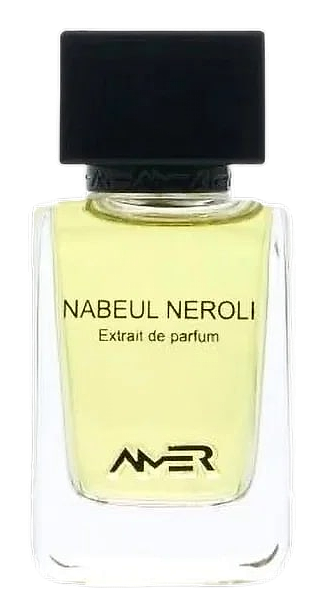
Brands
Brands known for Red champaca
Good to know
Questions, answered
The essentials on Red champaca in perfumery: how it smells, where it comes from, and how it behaves on skin.
What does red champaca smell like?
Red champaca absolute smells intensely floral with creamy, velvety undertones. The scent blends gardenia-like creaminess with tropical fruit hints of banana and ripe pear, finishing with a warm, slightly spicy magnolia backbone.
Why is red champaca absolute so expensive?
Production requires enormous quantities of fresh blossoms and yields very little absolute. The solvent extraction process is technically demanding, and reputable producers like Robertet release new batches only every few years, creating persistent scarcity.
Is red champaca the same as magnolia?
Champaca comes from Magnolia champaca, a distinct species native to South and Southeast Asia. While related, champaca offers a richer, more tropical floral profile than many North American magnolia species used in perfumery.
Which famous perfume first used red champaca?
Jean Patou's Joy (1930) featured red champaca absolute as a primary ingredient. At its launch, Joy contained the highest concentration of natural materials ever assembled in a fragrance, with champaca among its most significant components.
Can synthetic alternatives replace red champaca?
Synthetic alternatives exist but cannot fully replicate champaca's complexity. The natural absolute contains hundreds of aromatic compounds that create its characteristic creamy-floral signature with tropical undertones.
What other notes pair well with red champaca?
Red champaca harmonizes with sandalwood, jasmine, and ylang-ylang in rich floral compositions. It also complements musks, vanillas, and woods, adding depth to both oriental and chypre structures.
Where does champaca grow best?
Champaca thrives in subtropical climates with consistent moisture. India remains the primary source, particularly regions with Himalayan foothills influence, though cultivation extends through Southeast Asia.
Does red champaca appear in modern fragrances?
Champaca absolute remains a fixture in niche and high-end perfumery. Contemporary houses including Amouage, Diptyque, and Byredo feature it in signature compositions, though its rarity means it appears less frequently than more available florals.