The Story
Why it exists.
The beginning
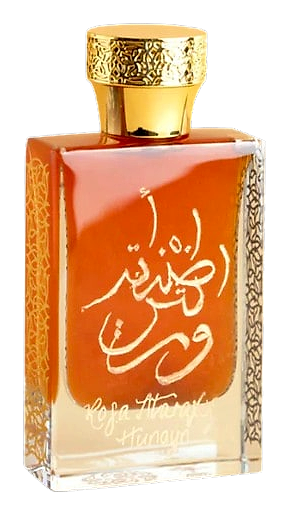
Rosa Ataraxis II is the second movement in Hunayn's ongoing rose study, following the original Ataraxis. Where the first iteration opened the conversation, this edition leans further into intensity, the smouldering, the ritualistic, the sacred. The perfumer Adill Ali built the composition around Omani red rose sourced from the late Sultan's private farm, layering it with vintage Turkish Red rose and the rare Rosa Raduga. The name Ataraxis, Greek for profound calm, signals the intent: rose as a form of meditation, not merely beauty.
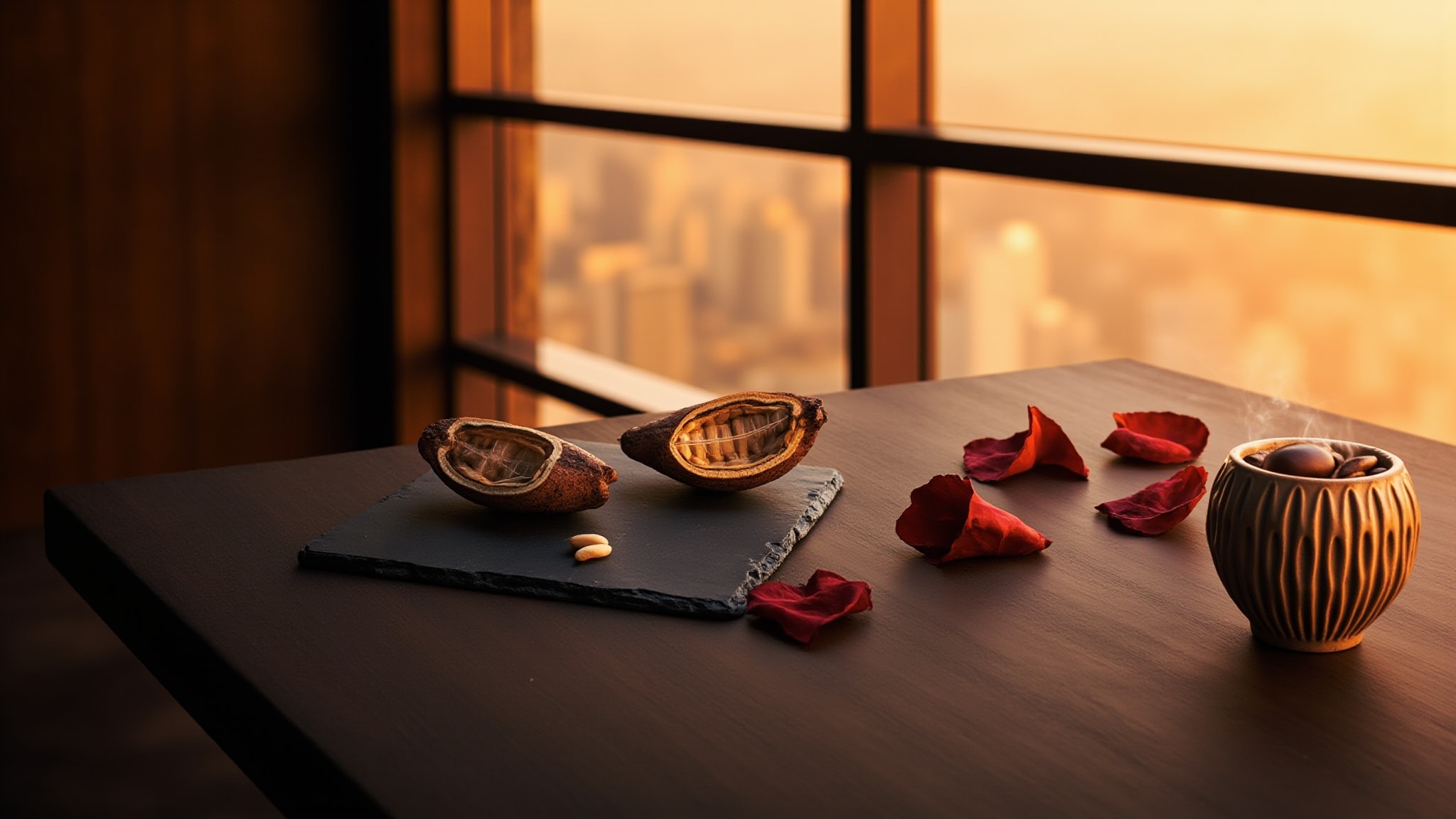
What makes this composition distinctive is the tension between cold and warm. The opening uses Japanese citruses, Shiikuwasha and Sudachi, to create an almost translucent quality, like light through ice. Then Bulgarian, French, Indian, and Japanese roses arrive at the heart alongside red champaca, honey, and cocoa absolute. The rose doesn't soften. It deepens. By the base, Mysore sandalwood and white ambergris hold the warmth close to skin, completing a rose that refuses to be one thing.
The evolution
The opening announces itself with sharp, clean citrus, Shiikuwasha and Sudachi create a cold brightness that lasts fifteen minutes before the roses arrive. Bulgarian and Omani reds take the lead, their petals still holding a certain crystalline freshness even as honey and cocoa absolute add warmth to the heart. Hinoki wood and sandalwood begin their slow emergence halfway through the second hour. By the drydown, the rose hasn't disappeared, it's settled. Mysore sandalwood and white ambergris wrap around what remains of the petals, creating a skin-warm finish that can persist past eight hours on most skin types, closer to ten on dry. The incense note, present throughout, becomes more prominent as everything else softens, lending a meditative quality to the final act.
Cultural impact
Hunayn's approach, reviving medieval perfume recipes within contemporary safety standards, positions Rosa Ataraxis II as part of a broader movement within niche perfumery toward studied, material-driven compositions. The multiple-rose soliflore structure is uncommon: most houses treat rose as an accent or combine it with competing notes. Here, the flower is the entire argument. Wearers describe it as a fragrance that rewards patience, not immediately charming, but one that reveals different qualities across a full day's wear.