Adill Ali
Adill Ali grew up in Billimora, a modest town in Gujarat, where the scent of spice markets mingled with the humidity of monsoon evenings. His parents struggled to make ends meet, yet they nurtured his curiosity by sharing the few bottles of traditional attar that survived in their home. At fourteen, he began experimenting with dried petals and essential oils in a cramped kitchen corner, documenting each trial in a battered notebook. By twenty, the teenager posted raw, unfiltered videos of his blends on social media, daringly dubbing himself the ‘Gunda’ of fragrance—a tongue‑in‑cheek claim that attracted a cult following. The buzz translated into modest orders, prompting him to launch a modest e‑shop in 2018. Within two years, his self‑titled line crossed the ₹200 crore mark, a feat he attributes to relentless testing and direct dialogue with buyers. Adill’s breakthrough arrived when a limited‑edition amber‑spiced scent sold out in hours, catching the eye of boutique retailers in Mumbai and Dubai. He now supplies over forty stores, yet he still sketches formulas on scrap paper and mixes in the same modest studio where his path began.
The hits
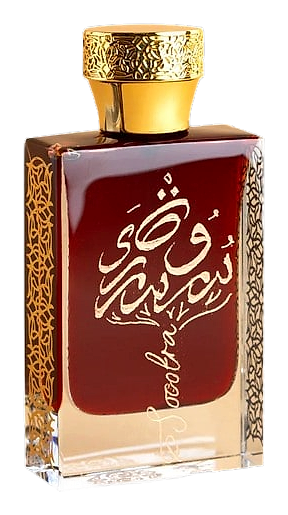
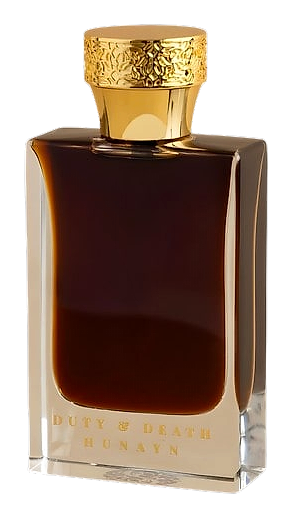
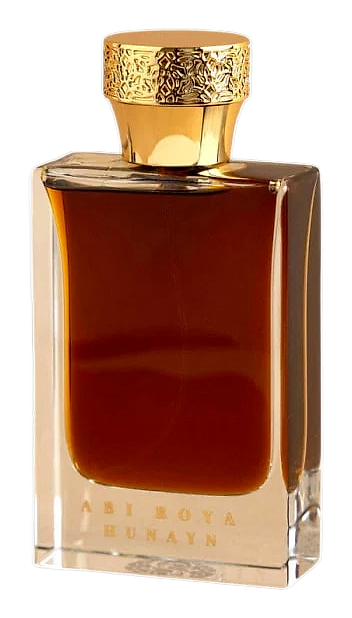
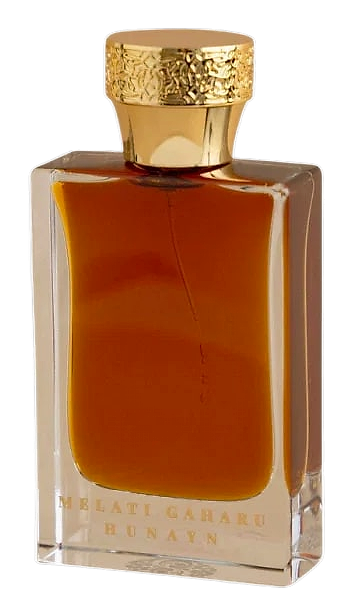
Notable creations

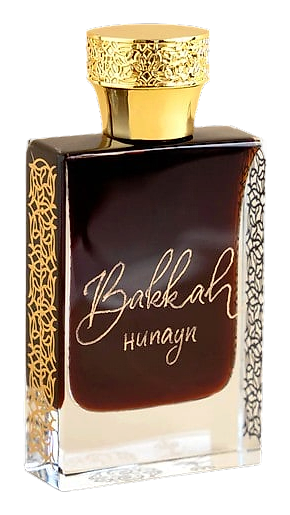
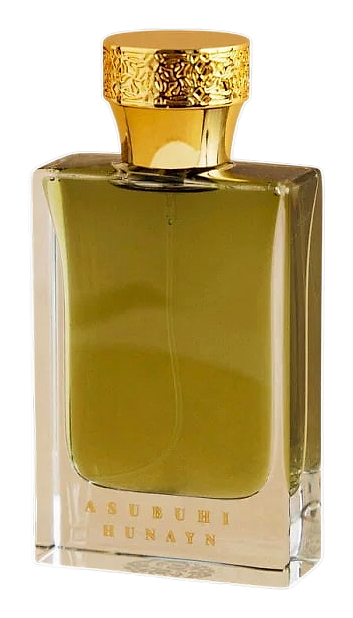
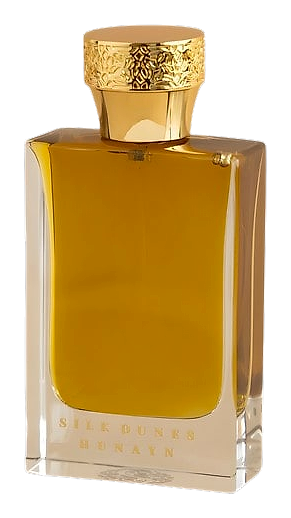
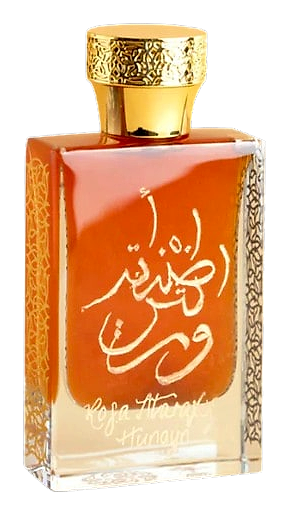
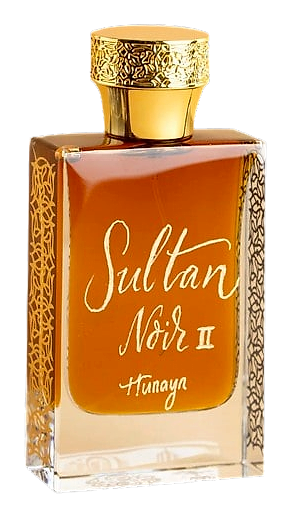
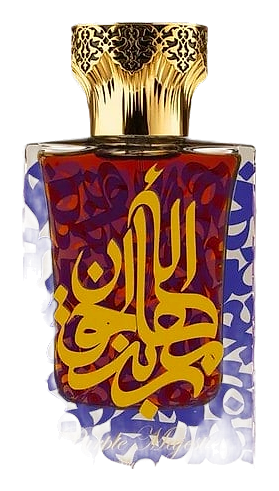
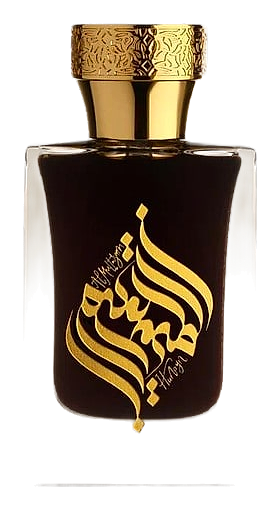
The signature
How Adill composes
Adill favors a minimalist architecture, often building around a single dominant note before layering subtle accents. He reaches for Indian attars, warm spices, and dry woods, then introduces unexpected touches of citrus or marine accords to keep the composition lively. His process relies on small‑batch testing, allowing him to gauge how each element evolves over time. He prefers natural extracts when they deliver clarity, but he does not shy away from synthetics that add precision. The result is a scent that feels grounded yet adventurous, with a clear focus that invites repeated discovery.
Philosophy
What drives Adill
Adill believes fragrance should speak plainly, without pretension. He treats each ingredient as a conversation partner, listening for the moment it reveals its true character. Community feedback shapes his drafts; he refines a blend until customers describe the scent in their own words rather than industry jargon. He honors the attar traditions of his hometown while injecting contemporary twists, aiming to create scents that feel both familiar and startlingly new. For him, perfume is a daily ritual, a quiet confidence that anyone can wear.